Where Is Tiffanie Anderson Now? From Girlicious to Celebrity Artist
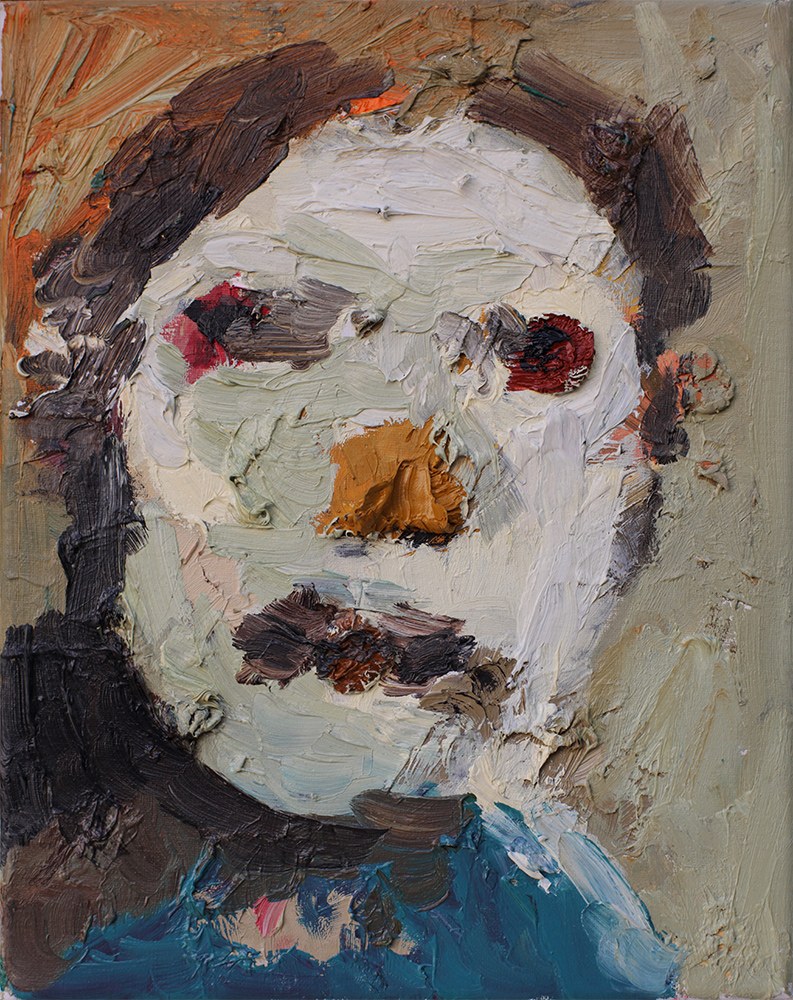
Of all the second acts in this series, few are as dramatic as Tiffanie Anderson's. In 2008 she was introduced to America as the second member of Girlicious, the pop group assembled on The CW's Pussycat Dolls Present: Girlicious. A year later she walked away from a major-label pop career — and then, after a stretch that included homelessness and living out of her car, rebuilt herself into one of the most distinctive visual artists working in celebrity portraiture today.
Known now as The Pretty Artist, Anderson paints with crushed, broken glass — a technique she invented herself. Her client list reads like a music-industry who's who. This is the verified story of how a reality-TV pop star became a self-taught painter to the stars.
The Peak: Girlicious (2008–2009)
Anderson earned her spot in Girlicious the hard way: on television, in front of millions. Pussycat Dolls Present: Girlicious (The CW, 2008) was a competition to build a new girl group from scratch under the direction of Pussycat Dolls founder Robin Antin. Anderson stood out early — she was one of only two contestants never to land in the bottom two over the course of the season, a sign of both her vocal ability and her stage presence.
The group she joined was a genuine commercial proposition, especially in Canada, where debut single "Like Me" hit number 4. But the machinery behind the group was already shifting. In June 2009, barely a year after the group's formation, Anderson announced on YouTube that she was leaving, citing changes to the group's sound and label direction. It was a bold move — walking away from a signed, charting pop group at the height of its momentum — and it left her, at 20, starting over from zero.
The Wilderness Years: From Pop Star to Homelessness
What happened next is the part of Anderson's story that gives the rest of it weight. Leaving Girlicious did not lead to a solo record deal or a soft landing. Instead, Anderson has spoken openly about a period of genuine hardship: she was briefly homeless, living out of her car, trying to figure out what came after pop stardom when the industry had moved on without her.
It was during this transition that she began to paint. Anderson is self-taught — she did not go to art school or apprentice under a master. She simply started working, experimenting with materials until she landed on the technique that would define her: painting with crushed, broken glass. The medium is as difficult as it sounds — sharp, unforgiving, and physically demanding — but the results are unmistakable: shimmering, textured portraits that catch light in ways oil paint cannot.
The Pretty Artist: A Second Career
Today Anderson works as The Pretty Artist (@theprettyartist on Instagram, where she has amassed more than 100,000 followers), and her client list is extraordinary. Her first celebrity client was Ray J; since then she has painted Floyd Mayweather, The Weeknd, Jason Derulo, Amber Rose, Dr. Dre, The Roots, Wiz Khalifa, Carlos Boozer, and Juicy J, among others. These are not prints or licensed images — they are original, hand-made portraits commissioned by the subjects themselves or their teams.
Her story has been covered by Andscape (ESPN's culture platform), Essence, and The Knockturnal — serious outlets treating her as a serious artist, not a pop-star curiosity. That distinction matters. Plenty of former entertainers dabble in art; Anderson built a real practice, with real collectors, from nothing. The crushed-glass technique she invented is hers alone, and it turned a period of homelessness into the foundation of a sustainable creative career.
There is a symmetry to it that is hard to miss. In Girlicious, Anderson was one performer in a manufactured group, her image controlled by other people. As The Pretty Artist, she controls everything — the medium, the message, the business. The girl who left a pop group over creative direction now answers to no one creatively.
Where Is Tiffanie Anderson Now?
As of 2026, Tiffanie Anderson continues to work as a visual artist under the Pretty Artist name, taking commissions and building her collector base. She has not returned to music in any significant way, and she has never had a personal Wikipedia page — her public identity is now entirely the artist, not the former pop star.
Her arc — reality-TV discovery, major-label exit, homelessness, self-invention — is one of the most complete reinventions in recent pop memory. She did not just find a new job after Girlicious. She found a new medium, a new name, and a new way of being seen.
The Business of Reinvention
What Anderson built deserves a closer look, because "former pop star becomes painter" undersells the difficulty of what she actually did. The celebrity portrait market is crowded with hobbyists and dilettantes; breaking into it as a self-taught artist with no gallery pedigree and no formal training means the work has to carry everything. Anderson's did — because the crushed-glass technique is not a gimmick but a genuine material innovation, the kind of thing that gives collectors a reason to pay attention to a new name.
Consider the physics of the medium. Broken glass is sharp, heavy, and unforgiving: it cannot be blended like oil paint or corrected like charcoal. Every piece has to be planned around the material's refusal to behave, and the finished works have a physical presence — texture, reflectivity, depth — that photography flattens and that viewers remember in person. For portraiture, which lives or dies on likeness and presence, glass is a perverse choice and therefore a memorable one. Anderson's invention turned a constraint into a signature.
The client list is the market's verdict. Floyd Mayweather does not commission portraits from unknown artists on a whim; neither do Dr. Dre, The Weeknd, or The Roots. Celebrity clients are among the most demanding buyers in the art world — they have access to anyone, they know what things cost, and their walls are seen by millions. That Anderson's first celebrity client was Ray J, and that the commissions kept coming, indicates a practice that survived the only test that matters: repeat business from people who can afford anybody.
The media coverage traced the same arc from curiosity to credibility. Andscape — ESPN's platform for sports and culture writing — does not profile pop-star vanity projects; its feature on Anderson treated her as a working artist with a real story. Essence placed her in a money-and-career context, which is to say it treated the art as a business. The Knockturnal's interview went deep on process. None of these outlets led with Girlicious nostalgia. They led with the work, which is exactly how Anderson wanted it.
There is a final symmetry worth naming. The music industry rejected Anderson twice: first when she left Girlicious over creative differences, and then implicitly when no solo career materialized and she ended up living out of her car. The art world, by contrast, let her set every term — the medium, the prices, the clients, the name on the door. The Pretty Artist is not a stage name imposed by a label; it is a business she built from broken glass, literally and figuratively. The girl who walked away from a manufactured group at 20 now manufactures nothing but her own work.
Then vs Now: Two Chapters
| Then (2008–2009) | Now (2020s) |
|---|---|
| Second member of Girlicious; never in the bottom two on the CW show | Visual artist known as The Pretty Artist (100k+ Instagram followers) |
| Left the group June 2009 over label/sound changes | Invented crushed-broken-glass painting technique; self-taught |
| Brief period of homelessness, living out of her car | Celebrity clients: Mayweather, Dr. Dre, The Weeknd, The Roots, Wiz Khalifa |
| Pop career ended at 20 | Profiled by Andscape, Essence, The Knockturnal as a working artist |
Tiffanie Anderson's story is proof that the end of one dream can be the raw material for a better one — if you are willing to pick up the broken glass and make something from it.
Frequently asked questions
What is Tiffanie Anderson doing now?
She works as a visual artist known as The Pretty Artist (@theprettyartist, 100k+ Instagram followers). She is self-taught and famous for painting portraits with crushed, broken glass — a technique she invented.
Why did Tiffanie Anderson leave Girlicious?
She left in June 2009, announcing the decision on YouTube, citing changes to the group's sound and label direction. She was one of only two contestants never in the bottom two during the CW competition.
Was Tiffanie Anderson homeless?
Yes. She has spoken openly about a period of homelessness — including living out of her car — during her transition from music to art after leaving Girlicious.
Who has Tiffanie Anderson painted?
Her celebrity clients include Floyd Mayweather, Ray J (her first celebrity client), The Weeknd, Jason Derulo, Amber Rose, Dr. Dre, The Roots, Wiz Khalifa, Carlos Boozer, and Juicy J.
What is the crushed glass painting technique?
It is a method Anderson invented herself: building portraits from crushed, broken glass instead of paint. The sharp, unforgiving medium creates shimmering, textured portraits that catch light uniquely.
Is Tiffanie Anderson still making music?
No. She has not returned to music in any significant way since leaving Girlicious in 2009; her public identity is now entirely as a visual artist.
Where is Tiffanie Anderson now?
As of 2026, she continues to work as The Pretty Artist, taking commissions and exhibiting her crushed-glass portraits. She maintains an active Instagram presence documenting her work.