Where Is Ilisa Juried Now? The Girlicious Finalist Who Survived Cardiac Arrest
On Pussycat Dolls Present: Girlicious (The CW, 2008), Ilisa Juried was the contestant viewers rooted for: a fan favorite with 17 years of performing experience under her belt, eliminated after a gutsy performance of Janis Joplin's "Piece of My Heart." What nobody watching could have known was that the song title would turn out to be grimly prophetic — within a few years, Juried would collapse from sudden cardiac arrest in the middle of New York's Grand Central Station.
Her story since is not about pop stardom. It is about survival, a heart condition diagnosed in the most dramatic way possible, and a second life devoted to making sure other young people know the warning signs. This is the verified story of Ilisa Juried — the Girlicious finalist who became a heart-health advocate.
The Peak: Fan Favorite on Girlicious (2008)
Juried arrived on Pussycat Dolls Present: Girlicious with more stage experience than almost anyone in the cast — 17 years of performing, according to her BuddyTV exit interview. The CW's competition, created to assemble a new girl group under Pussycat Dolls founder Robin Antin, put its contestants through singing, dancing, and image challenges week after week. Juried's elimination number — a full-throated take on Janis Joplin's "Piece of My Heart" — was the kind of risk that made her a fan favorite even as it sent her home.
Unlike the four winners, Juried never got the major-label machinery behind her. She was a finalist, not a member — close enough to taste the pop-star life, far enough to have to build whatever came next on her own. For a few years after the show, she remained what the industry calls a working performer: gigs, sessions, and the hustle of staying visible without a hit record.
The Collapse: Cardiac Arrest at 18
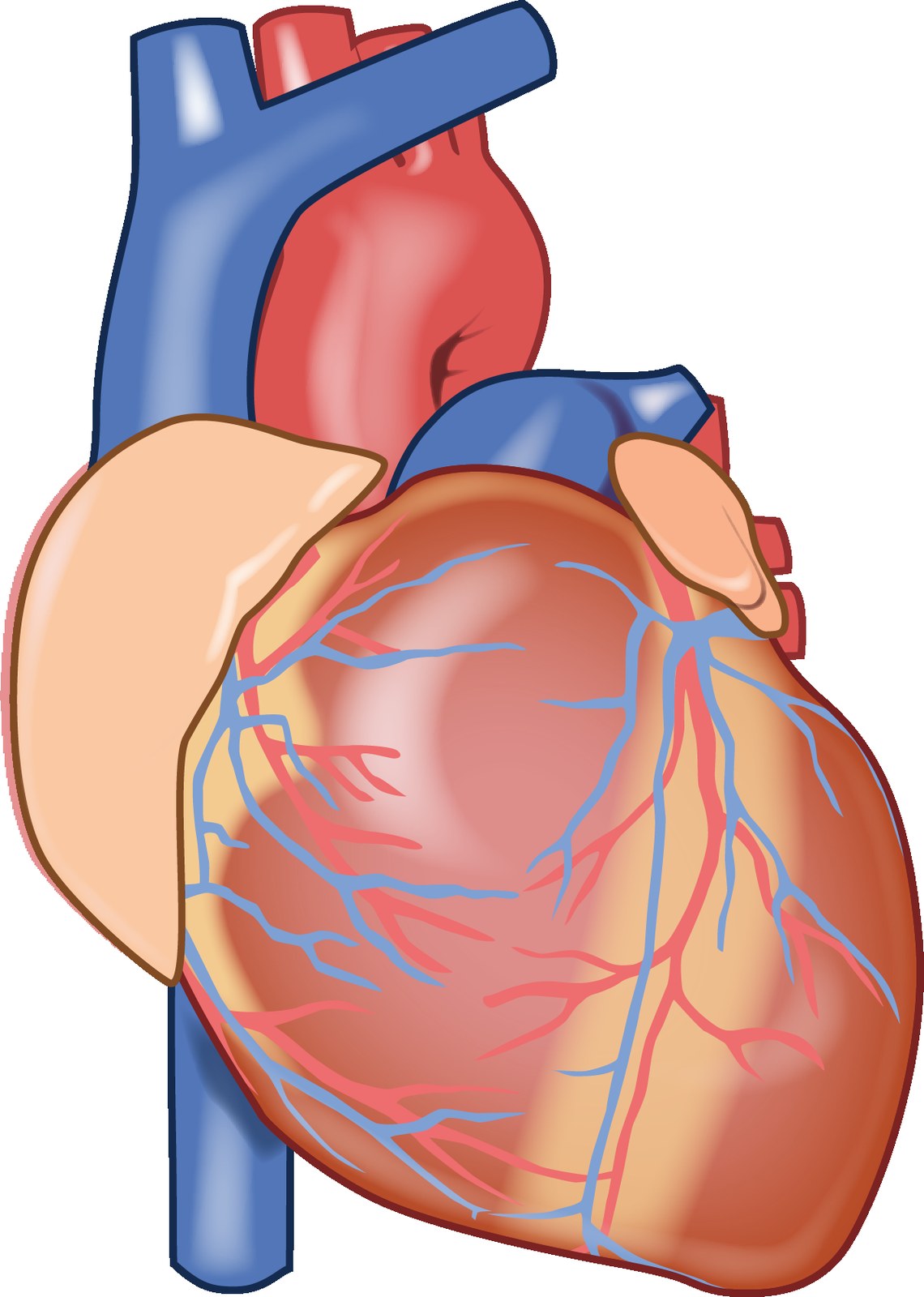
Then came the day that redefined her life. At age 18, Juried collapsed in Grand Central Station in New York City — sudden cardiac arrest, the kind of event that kills most of its victims within minutes. She survived. The diagnosis that followed explained everything: arrhythmia tachycardia, a dangerous irregular heartbeat, for which she received an implanted cardioverter defibrillator — a device that monitors her heart rhythm around the clock and can deliver a corrective shock if it detects a lethal arrhythmia.
Consider what that means for someone whose identity was built on performing. A defibrillator implant at 18 is not just a medical procedure; it is a confrontation with mortality at an age when most people feel immortal. For a singer, whose instrument is breath control and physical stamina, a heart condition is a particularly cruel diagnosis. Juried could have retreated. Instead, she turned the experience outward.
The Advocate: Heart Health Awareness
Juried remade herself as a heart-health awareness advocate, using her story — the Grand Central collapse, the diagnosis, the implant — to educate young people about cardiac conditions that often go undetected until they strike. Her advocacy has put her on public stages of a different kind: she sang the National Anthem at the American Heart Association's 2018 Pasadena Heart Walk, an event covered by USC's Keck Medicine news service.
The choice of venue matters. The Heart Walk is not a pop concert; it is a gathering of survivors, families, and medical professionals. For Juried to open it with the anthem was a statement about who she had become: not a former reality-show contestant trading on old fame, but a survivor with a message. Her testimony — a healthy-looking 18-year-old felled by an undiagnosed arrhythmia in a train station — is exactly the kind of story that moves the needle on awareness, because it demolishes the assumption that cardiac arrest only happens to older people.
Originally from West Palm Beach, Florida, Juried has kept the focus of her public life on this mission rather than on any entertainment comeback. She has no personal Wikipedia page, and her name surfaces in connection with heart-health coverage far more often than with Girlicious nostalgia.
Where Is Ilisa Juried Now?
As of 2026, Ilisa Juried continues her life as a sudden cardiac arrest survivor and heart-health advocate. She has not pursued a return to the music industry in any significant way; her public identity is now defined by survival and advocacy rather than performance.
Her story carries a particular resonance in the context of this series. Most "where are they now" subjects faded because the spotlight moved on. Juried's spotlight ended because her heart nearly stopped — and what she built afterward may matter more than anything she would have done on a stage.
Why Her Story Matters: Cardiac Arrest in the Young
Juried's collapse in Grand Central Station belongs to a category of medical event that the public consistently misunderstands. Sudden cardiac arrest is widely imagined as something that happens to older men clutching their chests — but it strikes young people too, often without warning, and often in people who look the picture of health. An 18-year-old performer collapsing in a train station is shocking precisely because it violates the assumption that youth is protection. It is not.
The condition behind her collapse — arrhythmia tachycardia, a dangerously fast and irregular heartbeat — is one of several electrical disorders of the heart that can go undetected for years. Unlike a heart attack, which is a plumbing problem (blocked blood flow), cardiac arrest is an electrical problem: the heart's rhythm goes fatally wrong, and without rapid intervention, the result is death within minutes. Survival depends on two things Juried was fortunate to receive: immediate help and, afterward, a correct diagnosis.
The implanted cardioverter defibrillator she received is worth understanding as a piece of life-altering technology. The device sits under the skin near the collarbone, with leads threaded into the heart, monitoring every beat around the clock. If it detects a lethal rhythm, it delivers a shock to reset the heart — essentially an emergency room that the patient carries inside her chest. For an 18-year-old, it is both a lifeline and a permanent companion: MRI restrictions, battery replacements every several years, the psychological weight of knowing the device may fire at any moment. Juried has lived with that reality since her teens.
This is why her advocacy work carries weight beyond the usual celebrity-cause circuit. When a survivor who looks like Juried — young, fit, a performer — tells her story, it does something that statistics cannot: it makes the risk feel real to the people most likely to dismiss it. Parents of young athletes, coaches, school administrators — the audiences that need to hear about warning signs (fainting during exercise, unexplained shortness of breath, family history of sudden death) and about the availability of heart screenings — are more likely to listen to someone who lived it at 18 than to a pamphlet.
The American Heart Association's Heart Walks, where Juried sang the anthem in Pasadena in 2018, are built around exactly this dynamic: survivors and families walking together, turning private trauma into public momentum for research funding and awareness. Her presence there — opening the event with the National Anthem, the performer's skill repurposed for the advocate's mission — closed a circle that began with a collapse in a train station. The voice that once competed for a pop-group slot now opens ceremonies for heart health. It is hard to imagine a more complete transformation of what a talent is for.
Then vs Now: Two Chapters
| Then (2008–early 2010s) | Now (2020s) |
|---|---|
| Fan-favorite finalist on Pussycat Dolls Present: Girlicious (2008) | Sudden cardiac arrest survivor; heart-health awareness advocate |
| Eliminated performing Janis Joplin's "Piece of My Heart" | Collapsed at 18 in Grand Central Station; diagnosed with arrhythmia tachycardia |
| 17 years of performing experience; working singer | Fitted with an implanted cardioverter defibrillator |
| Chasing a pop career after the show | Sang the National Anthem at the AHA's 2018 Pasadena Heart Walk |
Ilisa Juried's second act is a reminder that the most important stages are not always the ones with cameras — sometimes they are the ones where your story saves a life.
Frequently asked questions
Who is Ilisa Juried?
Ilisa Juried was a fan-favorite finalist on The CW's Pussycat Dolls Present: Girlicious (2008), eliminated after performing Janis Joplin's "Piece of My Heart." She arrived on the show with 17 years of performing experience.
What happened to Ilisa Juried's heart?
At age 18, she collapsed from sudden cardiac arrest in New York's Grand Central Station. She was diagnosed with arrhythmia tachycardia — a dangerous irregular heartbeat — and received an implanted cardioverter defibrillator.
What is an implanted cardioverter defibrillator?
It is a small device implanted in the chest that continuously monitors heart rhythm and can deliver an electric shock to correct a life-threatening arrhythmia. Juried received one after her cardiac arrest at 18.
Is Ilisa Juried still singing?
She has not pursued a music-industry comeback in any significant way. Her most notable public performance in recent years was singing the National Anthem at the American Heart Association's 2018 Pasadena Heart Walk.
What does Ilisa Juried do now?
She works as a heart-health awareness advocate, sharing her story as a young sudden cardiac arrest survivor to educate others about undetected heart conditions.
Where is Ilisa Juried from?
She is originally from West Palm Beach, Florida.
Where is Ilisa Juried now?
As of 2026, she continues her advocacy work as a cardiac arrest survivor. She keeps a low entertainment profile and has no personal Wikipedia page; her public identity centers on heart-health awareness.