What Happened to Kyle Beach? His Story (2026)
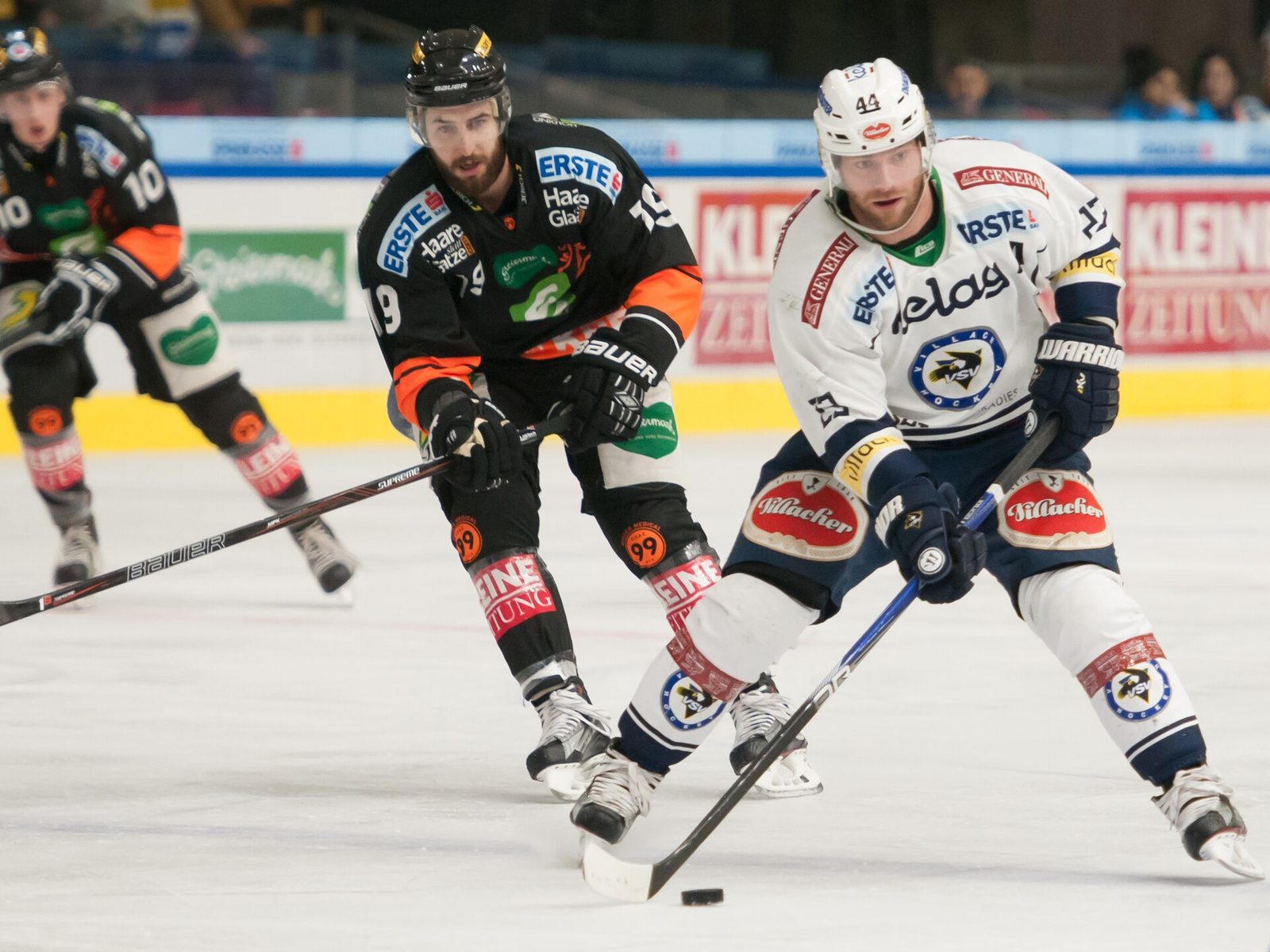
The Prospect: 2008 First-Round Pick
Kyle Beach was born January 14, 1990, in North Vancouver, British Columbia, and was one of the most coveted prospects in the 2008 NHL Entry Draft: a 6-foot-3 power forward with scoring touch, selected 11th overall by the Chicago Blackhawks.
Expectations were enormous — first-round picks are supposed to become NHL regulars. But Beach never played a single NHL game. He spent 2008-2014 with Chicago's minor-league affiliates in the AHL, showing flashes but never breaking through, before heading to Europe to continue his career in Germany, Austria, and elsewhere.
For a decade, he was just another “what if” — a busted prospect, hockey's version of a thousand forgotten names. Then, in 2021, the real story came out, and it changed the sport.
The Allegation: 2010
In May 2021, reports emerged that an unnamed former Blackhawks player had sued the team, alleging he was sexually assaulted by then-video coach Brad Aldrich during the 2010 Stanley Cup playoffs — and that the team had covered it up. An independent investigation by the law firm Jenner & Block later confirmed the broad outlines: Aldrich assaulted the player, team executives were informed, and Aldrich was allowed to resign quietly rather than face consequences.
Aldrich went on to work with USA Hockey and a high school team — where he assaulted another player, for which he was later convicted. The Blackhawks' 2021 report was damning: senior leaders had prioritized a championship run over a young player's safety.
Going Public: October 2021
In October 2021, Beach did a televised interview identifying himself as “John Doe” — the player in the lawsuit. It was a stunning, emotional moment: a 31-year-old former prospect, voice shaking, telling the world what had happened to him at 20.
“I felt like I was alone and there was nothing I could do,” he said, describing how reporting the assault had gone nowhere and how the experience shadowed his entire career. The interview made Beach the face of hockey's abuse reckoning overnight.
The fallout was swift: Blackhawks GM Stan Bowman and other executives resigned; the NHL fined the franchise $2 million; Aldrich's name was (at the team's request) removed from the Stanley Cup. Beach and the Blackhawks later reached a settlement for an undisclosed amount.
The Impact on Hockey
Beach's case became hockey's watershed. It forced the NHL and Hockey Canada into long-overdue reckonings about player safety, power imbalances, and institutional cover-ups. Youth hockey organizations revised safeguarding policies; the culture of silence — “what happens in the room stays in the room” — cracked.
Other players came forward with their own stories in the years that followed. Beach himself became an advocate, speaking about abuse in sports and working with organizations on prevention — turning the worst experience of his life into a mission.
Whether his hockey career would have been different without 2010 is unknowable. What is known: the 11th overall pick's legacy isn't goals — it's courage.
Where Is Kyle Beach Now?
As of 2026, Beach — now 36 — is retired from professional hockey and works as an advocate and speaker on abuse prevention in sports. He has spoken at hockey organizations across North America, sharing his story to protect the next generation of young players.
He remains connected to the game that shaped him, but on new terms: not as the prospect who didn't make it, but as the man whose truth forced hockey to change. The settlement gave him closure; the advocacy gives him purpose.
The Legacy
What happened to Kyle Beach? A promising career derailed — by an assault, by a cover-up, by a sport that failed him. And then, eleven years later, a decision to speak that cost him his anonymity and earned him something rarer: impact.
Hockey is safer for young players because Kyle Beach talked. That's a legacy no draft position could have predicted — and one that matters more than any NHL game he never played.
The 2010 Context: A Cup Run and a Cover-Up
The assault happened during the 2010 Stanley Cup playoffs — the Blackhawks' run to their first championship in 49 years. The Jenner & Block investigation found that when executives were told of Beach's allegation, they deferred action until after the playoffs: the Cup run took priority over a 20-year-old's trauma.
That detail is what made the story explosive: not just an assault, but an institution choosing hockey over humanity at the exact moment of its greatest triumph. Aldrich even celebrated with the Cup — his name engraved on it — while Beach sat with what happened.
The Investigation
The 2021 Jenner & Block report — commissioned by the Blackhawks themselves — was devastating: it confirmed Beach's account in broad strokes, documented who knew what when, and concluded the organization had failed him. The fallout: GM Stan Bowman resigned, top executives departed, the NHL fined the team $2 million, and Aldrich's day with the Cup became a symbol of institutional rot.
Beach's decision to go public — on camera, named, shaking — turned a legal filing into a cultural moment. Anonymous “John Doe” became Kyle Beach, and hockey couldn't look away.
Hockey's Reckoning Since
The Beach case didn't fix hockey alone — but it cracked the foundation. Youth programs overhauled safeguarding, the NHL instituted new reporting requirements, and the old code of silence weakened as more players spoke about abuse, hazing, and mental health in the years that followed.
Beach himself became the sport's conscience on the issue: speaking, advocating, insisting that no kid should endure what he did. The 11th overall pick never played an NHL game — but he changed the NHL more than most who did.
The Settlement and the Apology
The Blackhawks' settlement with Beach — for an undisclosed sum — came with something rarer than money: a public apology from the franchise, and the removal of Brad Aldrich's name from the Stanley Cup. For Beach, who'd carried the secret for 11 years, the acknowledgment mattered as much as the check.
He's said the money doesn't fix it — nothing does — but the validation does: the institution that failed him finally said so, on the record. Closure, in the only form available.
The Europe Years
After the AHL years, Beach played across Europe — Germany, Austria, and beyond — the classic path for North American prospects who don't crack the NHL. He was a solid pro, a veteran presence, a long way from the 2008 draft's bright lights.
Those years were also when the secret festered: playing on, carrying 2010, watching the Blackhawks celebrate anniversaries of the Cup run he'd been part of — and excluded from, in every way that mattered.
Frequently asked questions
What happened to Kyle Beach?
The 2008 11th-overall NHL pick never reached the NHL; in 2021 he revealed he was the player who accused Blackhawks video coach Brad Aldrich of 2010 sexual assault, sued the team, and settled — sparking hockey's abuse reckoning.
Who is Brad Aldrich?
The former Chicago Blackhawks video coach accused of assaulting Beach in 2010; he later assaulted another player and was convicted.
Did the Blackhawks cover it up?
An independent 2021 investigation found team executives were told of the assault during the 2010 playoffs and allowed Aldrich to resign quietly; the NHL fined the team $2 million and executives resigned.
How old is Kyle Beach?
Born January 14, 1990 — 36 years old in 2026.
Did Kyle Beach play in the NHL?
No — despite being drafted 11th overall in 2008, he played only in the AHL minors and Europe.
What is Kyle Beach doing now?
Retired from hockey; works as an advocate and speaker on abuse prevention in sports.
Did Kyle Beach settle with the Blackhawks?
Yes — for an undisclosed amount, following his 2021 lawsuit.