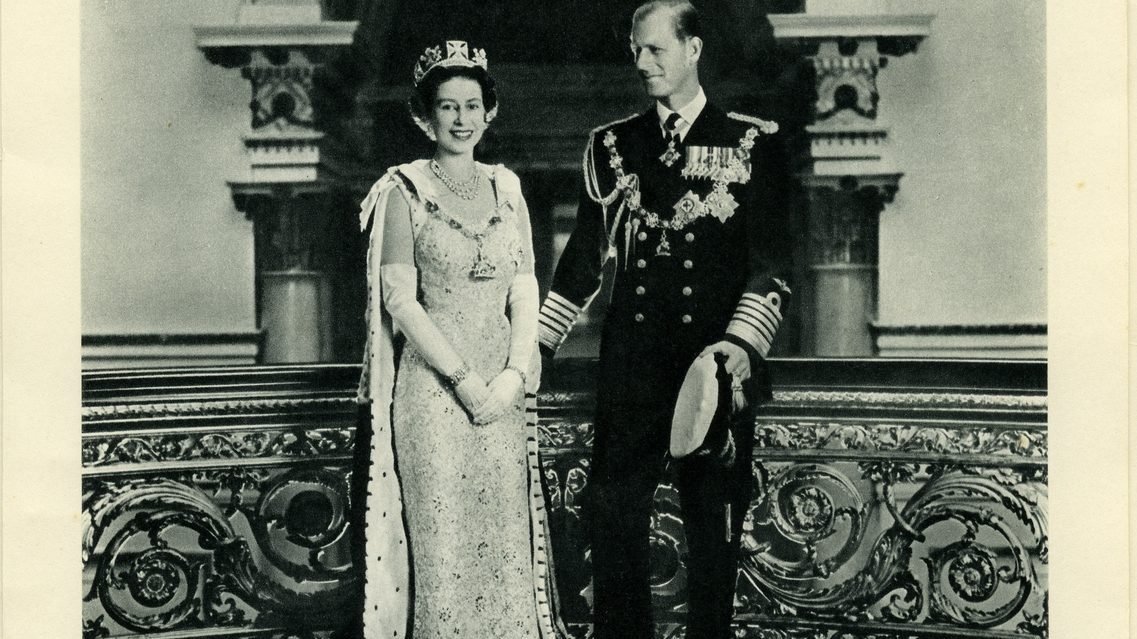
The Short Answer
Queen Elizabeth II's husband was Prince Philip, Duke of Edinburgh. Born Prince Philip of Greece and Denmark on June 10, 1921, on the Greek island of Corfu, he married the then-Princess Elizabeth on November 20, 1947, at Westminster Abbey. Their marriage lasted 73 years, until Philip's death on April 9, 2021, at Windsor Castle, just two months shy of his 100th birthday.
Philip was the longest-serving royal consort in British history. He famously described himself as the world's most experienced plaque-unveiler, but his role was far more significant: he modernized the monarchy's operations, founded the Duke of Edinburgh's Award youth program, and was the Queen's closest confidant through seven decades of national change. Elizabeth never remarried; she died on September 8, 2022, at Balmoral, aged 96, and was buried alongside Philip at Windsor.
How They Met
Elizabeth first met Philip when she was 13 and he was 18, during a 1939 visit to the Royal Naval College at Dartmouth, where Philip was a cadet. By several accounts, including that of her governess, the young princess was instantly smitten. They began exchanging letters during World War II, when Philip served with distinction in the Royal Navy in the Mediterranean and Pacific.
Their engagement was announced in July 1947, after Philip renounced his Greek and Danish titles, became a naturalized British subject, and took the surname Mountbatten from his maternal grandparents. The wedding that November was a moment of post-war celebration for a rationed, recovering Britain, with Elizabeth's dress paid for in part with clothing coupons.
The Dartmouth meeting has become royal legend: the 13-year-old princess, visiting the naval college with her parents, was introduced to the 18-year-old cadet tasked with entertaining the royal children. Her governess Marion Crawford later wrote that Elizabeth never took her eyes off him, and Philip's vigor and good looks made an immediate impression that letters would deepen over the war years.
Their 1939 meeting at Dartmouth naval college, where 13-year-old Elizabeth was smitten by the 18-year-old cadet, is royal legend. Philip's cousin-like connection to the family, both were great-great-grandchildren of Queen Victoria, made the match dynastically tidy as well as romantic.
73 Years of Marriage
The marriage weathered extraordinary pressures: Elizabeth's accession to the throne in 1952 at age 25 transformed Philip from naval officer to consort, a role with no constitutional definition that he had to invent. He walked two steps behind the Queen in public for the rest of his life, a visual metaphor for his position that he accepted with characteristic bluntness.
Together they navigated the abdication-era modernization of the monarchy, the tumultuous 1990s (the divorces of three of their children, the Windsor Castle fire, Diana's death), and the transition into the 21st century. Philip's gaffes, his famously unfiltered remarks, were a constant source of both embarrassment and affection. Through it all, the Queen described him in her 1997 golden wedding anniversary speech as her strength and stay, words that became the defining summary of their partnership.
Philip's famous gaffes, the unfiltered remarks that scandalized and delighted in equal measure, were tolerated by the Queen with what aides described as private amusement. His 2017 retirement, after 22,219 solo engagements, marked the end of the hardest-working royal schedule in history, a workload he maintained into his mid-nineties.
The 1947 wedding, held in post-war austerity with Elizabeth's dress paid for partly by ration coupons, was a moment of national joy. Philip renounced his Greek and Danish titles, became a British subject, and was created Duke of Edinburgh on the wedding morning.
Their Four Children
Elizabeth and Philip had four children: Charles (born 1948), now King Charles III; Anne (born 1950), the Princess Royal; Andrew (born 1960), Duke of York; and Edward (born 1964), Duke of Edinburgh. The 12-year gap between Anne and Andrew reflected the Queen's early-reign duties, and Philip took a more hands-on parenting role with the younger two than was typical for royal fathers of the era.
The children's marriages brought the monarchy its greatest crises and its modern renewal: Charles's marriage to Diana and later Camilla, Anne's divorce and remarriage, Andrew's scandals, and Edward's steady family life. Philip lived to see eight grandchildren and numerous great-grandchildren, and he remained a formidable family patriarch into his late nineties.
The 12-year gap between Anne (1950) and Andrew (1960) reflected the Queen's early-reign workload, and Philip took an unusually hands-on role with the younger children. His parenting style, brisk, outdoorsy, no-nonsense, shaped Andrew and Edward's very different temperaments.
Who Was Prince Philip?
Prince Philip, Duke of Edinburgh, was born into the Greek royal family on June 10, 1921, but his family was exiled when he was an infant, and he was educated in Britain, Germany and at Gordonstoun in Scotland. He joined the Royal Navy in 1939 and served with distinction in World War II, mentioned in dispatches for his service at the Battle of Cape Matapan.
As consort he completed over 22,000 solo engagements, founded the Duke of Edinburgh's Award in 1956 (now operating in 130+ countries), championed conservation as an early president of the World Wildlife Fund UK, and modernized royal communications. He retired from public duties in 2017 at 96, and died peacefully at Windsor Castle on April 9, 2021.
His conservation work, as the first president of WWF-UK and a founder of the Alliance of Religions and Conservation, was decades ahead of its time. The Duke of Edinburgh's Award, operating in 130+ countries, remains his most tangible legacy, having shaped millions of young lives.
After Philip: The Queen's Final Years
Philip's death left Elizabeth a widow after 73 years of marriage. She sat alone at his funeral in April 2021, a masked, socially distanced image that became one of the defining photographs of the pandemic era. Despite her grief and declining mobility, she continued working, celebrating her Platinum Jubilee in June 2022, marking 70 years on the throne.
She died on September 8, 2022, at Balmoral Castle, aged 96, and was laid to rest beside Philip in the King George VI Memorial Chapel at Windsor. Their marriage remains the benchmark for royal partnerships: 73 years, four children, and a partnership that carried the British monarchy through the second half of the 20th century and into the 21st.
The couple's final years together at Windsor Castle, where they sheltered during the pandemic as HMS Bubble, were described as some of their happiest: private, quiet, and together after decades of duty. Philip's death in April 2021, followed by the Queen's Platinum Jubilee and her own death 17 months later, closed the second Elizabethan age.
Philip's 2021 funeral, held under COVID restrictions with the Queen sitting alone, became one of the pandemic's defining images. His death at 99, just two months shy of his centenary, ended the longest royal consortship in British history.
Wartime Courtship: The Letters
The romance bloomed through wartime letters. While Philip served in the Royal Navy, seeing action at the Battle of Cape Matapan and in the Pacific, he and the teenage Princess Elizabeth exchanged letters that grew increasingly affectionate. Biographers describe a courtship conducted largely on paper, through years of war, with Elizabeth treasuring his letters and following his naval career with anxious pride.
Their 1947 engagement announcement, made after the war's end, was greeted with enormous public joy, though it also drew snobbery: Philip was a penniless foreign prince, and courtiers sniffed at his rough manners. Elizabeth's devotion never wavered. The letters, some of which have been quoted in biographies, reveal a young woman utterly certain of her choice, a certainty that would sustain 73 years of marriage.
Frequently Asked Questions
Who is Queen Elizabeth's husband?
Prince Philip, Duke of Edinburgh. They married on November 20, 1947, and were married for 73 years until his death in 2021.
How long were Queen Elizabeth and Prince Philip married?
73 years, from November 20, 1947, to April 9, 2021, one of the longest royal marriages in history.
When did Prince Philip die?
April 9, 2021, at Windsor Castle, aged 99, two months before his 100th birthday.
How many children did Queen Elizabeth have?
Four: Charles (now King Charles III), Anne, Andrew and Edward.
How did Queen Elizabeth meet Prince Philip?
They met in 1939 at the Royal Naval College, Dartmouth, when she was 13 and he was an 18-year-old naval cadet; they corresponded during WWII.
Did Queen Elizabeth remarry after Philip died?
No. She remained widowed until her death on September 8, 2022, and was buried alongside Philip at Windsor.
What was Prince Philip famous for?
Being the longest-serving royal consort, founding the Duke of Edinburgh's Award, and completing over 22,000 solo engagements.
Where are Queen Elizabeth and Prince Philip buried?
Together in the King George VI Memorial Chapel at St George's Chapel, Windsor Castle.