Where Is Patrick Duff Now? From Britpop Cult Hero to Glastonbury Abbey Artist-in-Residence
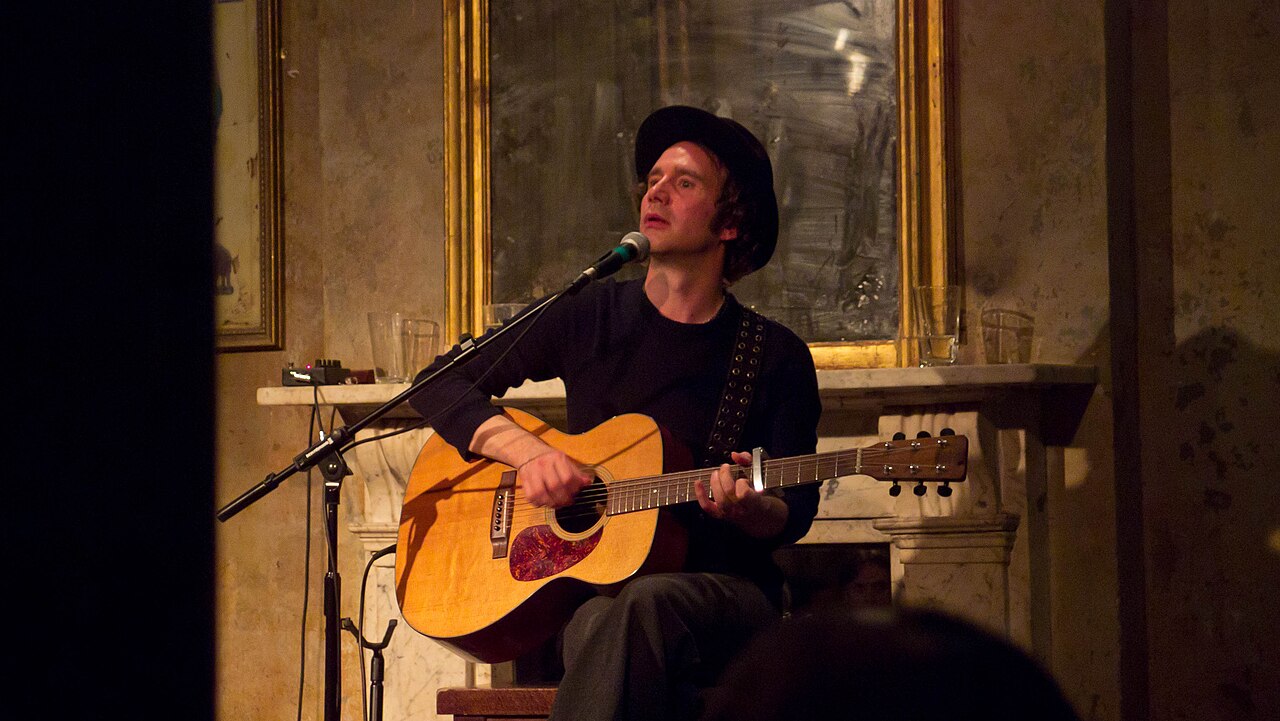
In the mid-1990s, while Britpop's biggest bands were fighting over chart positions and magazine covers, a Bristol group called Strangelove was making some of the most critically adored music of the era — and selling almost none of it. Their frontman was Patrick Duff, a former street busker with a bruised, literary voice that earned the band comparisons to everyone from the Smiths to Radiohead. When Strangelove split in 1998, Duff did something almost no one expected: instead of chasing another record deal, he left the industry's machinery behind and spent years traveling, collaborating, and starting over from zero.
Nearly three decades later, Duff's second act looks nothing like a comeback — it looks like a life. Solo records, a published memoir, spiritual practice, and a role as artist-in-residence at one of England's most storied abbeys. This is the verified story of where Patrick Duff went, and what he became.
The Peak: Strangelove and the Cult of the Almost-Famous
Duff was born on June 30, 1966, in Bristol, England, to an Irish father and a Welsh mother. Before Strangelove, he was a street busker — a detail that matters, because everything about his later career suggests he never fully left the busker's economy of playing for whoever is listening. He became the lead singer of Strangelove in the early 1990s, and the band signed to Food/Parlophone/EMI, releasing three critically acclaimed albums: Time for the Rest of Your Life (1994), Love and Other Demons (1996), and the self-titled Strangelove (1997).
The albums were admired by critics and fellow musicians — Radiohead's Ed O'Brien later said the band was "inspirational" — but they never translated into commercial success. Strangelove occupied the classic cult-band paradox: too strange for the mainstream, too sincere for irony, releasing literate guitar rock at the exact moment the market wanted anthems. By 1998, the band was over, and Duff was 32 with a major-label past and no obvious future in music.
He briefly formed another band, Moon, which split after nine months with a single release to its name. For most singers, that would have been the end — the postscript of a career that peaked too early. For Duff, it was the prologue to something stranger and more interesting.
The Wilderness Years: WOMAD, South Africa, and Starting Over
Between 2000 and 2004, Duff traveled the world as a solo artist with the WOMAD festival, the global music organization founded by Peter Gabriel. It was about as far from the Parlophone boardroom as a musician can get: open-air stages, cross-cultural bills, audiences who had never heard of Strangelove. Along the way he collaborated with a string of artists, most notably the veteran African master storyteller and musician Madosini — then in her eighties — with whom he lived and worked in the township of Langa in Cape Town, South Africa.
This was not a career move in any conventional sense. There were no chart campaigns, no press officers, no comeback narratives. It was a musician stripping his craft back to its essentials: songs, rooms, listeners. The busker had come full circle, except now the streets were on other continents.
The period also reshaped Duff personally. He has written openly about his struggles with anxiety, depression, and substance abuse — as a recovering alcoholic, he works a spiritual program built on self-examination, reflection, and service. Raised Catholic, an atheist in his teens, he describes a powerful spiritual experience while praying in a church in Strasbourg during a Strangelove tour of France, and his writing since has explored Buddhism, Christian mysticism, and a deepening relationship with contemplative practice. The wilderness years were not just musical; they were existential.
The Second Act: Solo Records, a Memoir, and Glastonbury Abbey
Duff's solo recording career began in earnest with Luxury Problems, released in June 2005 on EMI's legendary Harvest Records label — once home to his childhood hero Syd Barrett — and produced by Adrian Utley of Portishead. His second solo album, The Mad Straight Road, followed in 2009. Both records traded Strangelove's widescreen guitar drama for something sparer and more confessional, and both found the small, devoted audience that has sustained Duff ever since.
In November 2022, he published his autobiography, The Singer, through Tangent Books — a book chronicling his Bristol upbringing, the Strangelove years, and his battles with addiction and mental health. It was warmly received by fans and critics, and Duff has toured it with intimate evenings of reading and song. A sixth solo album has been reported as in the making, and he continues to write and record under his own name.
Perhaps the most striking detail of his current life is his role as artist-in-residence at Glastonbury Abbey. He holds the keys to St Mary's Church in Glastonbury, where he spends two to three hours each morning in prayer and contemplation. The former frontman of a 1990s guitar band — once tipped, however briefly, as part of British rock's next wave — now begins his days in a medieval church built on one of the oldest consecrated Marian shrines in northern Europe. It is difficult to imagine a more complete reinvention, or a more honest one.
What makes Duff's path compelling is its refusal of every available script. He did not do the reunion circuit, did not become a bitter ex-rock-star pundit, and did not repackage his past for a documentary. He simply kept making work — smaller rooms, deeper songs, longer mornings — until the life caught up with the art. In an era when legacy acts routinely sell their catalogs and their dignity in the same transaction, Duff's quiet independence reads as its own kind of success.
Where Is Patrick Duff Now?
As of 2026, Patrick Duff lives and works in the United Kingdom, splitting his time between music, writing, and his spiritual practice. He performs intimate shows — readings from The Singer mixed with songs from across his catalog — rather than chasing festival slots or reunion tours. There has been no Strangelove reunion, and Duff has shown no interest in manufacturing one.
His story is the inverse of the typical rock casualty narrative. He did not burn out and vanish; he walked away from the machine deliberately, spent years rebuilding himself as an artist and a person, and emerged with something rarer than fame: a sustainable creative life on his own terms. The cult hero of the 1990s became, quietly, one of the most grounded figures in British independent music.
Then vs Now: From Cult Frontman to Abbey Artist
| Then (1991–1998) | Now (2020s) |
|---|---|
| Frontman of Strangelove; three acclaimed albums on Parlophone/EMI (1994–1997) | Solo artist and author; sixth solo album reported in the making |
| Cult band admired by peers (Radiohead's Ed O'Brien called them "inspirational") but commercially marginal | Autobiography The Singer published November 2022 (Tangent Books) |
| Brief post-split band Moon (nine months, one single) | Artist-in-residence at Glastonbury Abbey; daily contemplative practice |
| Major-label machinery, chart campaigns, Britpop-era pressures | Intimate shows mixing readings and songs; no reunion machinery |
| Struggles with anxiety, depression, and substance abuse | Recovering alcoholic; spiritual life spanning Buddhism and Christian mysticism |
Patrick Duff's career is proof that the most interesting second acts are rarely comebacks. Sometimes they are quiet departures — and arrivals somewhere better.
Frequently asked questions
Who was the singer of Strangelove?
Patrick Duff was the lead singer of the British band Strangelove from the early 1990s until the band split in 1998. The band released three albums on Parlophone/EMI: Time for the Rest of Your Life (1994), Love and Other Demons (1996), and Strangelove (1997).
What is Patrick Duff doing now?
As of 2026, Duff is a solo artist and published author living in the United Kingdom. He serves as artist-in-residence at Glastonbury Abbey, performs intimate shows combining readings and songs, and has a sixth solo album reported in the making.
Did Patrick Duff write a book?
Yes. His autobiography, The Singer, was published in November 2022 by Tangent Books. It covers his Bristol upbringing, the Strangelove years, and his struggles with anxiety, depression, and substance abuse.
What are Patrick Duff's solo albums?
His solo albums include Luxury Problems (2005, released on EMI's Harvest Records and produced by Portishead's Adrian Utley) and The Mad Straight Road (2009).
Why did Strangelove break up?
Strangelove split in 1998 after three critically acclaimed but commercially unsuccessful albums. Duff briefly formed another band, Moon, then spent 2000 to 2004 traveling as a solo artist with the WOMAD festival.
Is Patrick Duff religious?
Duff has written openly about his spiritual life: raised Catholic, an atheist in his teens, he describes a powerful spiritual experience in a Strasbourg church during a Strangelove tour, and has since explored Buddhism and Christian mysticism. As a recovering alcoholic he works a spiritual program of self-examination and service.
Where is Patrick Duff now?
He lives in the United Kingdom, where he is artist-in-residence at Glastonbury Abbey — holding the keys to St Mary's Church, where he prays each morning — and continues to write, record, and perform. He has shown no interest in a Strangelove reunion.
Sources
- Patrick Duff — Green NoteGreen Note
- Patrick Duff biography — Last.fmLast.fm
- The Singer — Conscious FrontiersConscious Frontiers
- Patrick Duff tickets/biography — TicketlineTicketline