Where Is Melody Anderson Now?
The Role: Dale Arden in Flash Gordon
Melody Anderson was born on December 3, 1955, in Edmonton, Alberta, Canada. Her path to acting was unconventional: she earned a journalism degree from Carleton University, worked briefly as a CBC reporter, then traveled through Southeast Asia and Australia interviewing celebrities, discovering a passion for performance along the way. Modeling and commercial work followed, including appearances in the very first Victoria's Secret catalog, before she transitioned to film and television.
Her defining role arrived in 1980, when she was cast as Dale Arden in Flash Gordon, the big-budget Universal adaptation of the classic comic strip. Opposite Sam J. Jones as Flash, with Max von Sydow as Ming the Merciless and Ornella Muti as Princess Aura, Anderson played the courageous travel agent turned galactic warrior: resourceful, brave, and luminous in the film's gloriously camp universe. The movie underperformed on release but became one of the great cult classics of science fiction, beloved for its Queen soundtrack, its delirious production design, and its utter sincerity.
Anderson's Dale is the heart of the film. While Jones played Flash as a square-jawed innocent, Anderson gave Dale wit, spine, and genuine emotion, grounding the cosmic silliness in something human. For generations of sci-fi fans, she is the definitive Dale Arden. The film celebrated its 45th anniversary in 2025, and Anderson spoke about its legacy in interviews, marveling that 45 years later, people still want autographs and still want to talk about the movie. It is intergenerational, she said: the film keeps finding new audiences.
The 1980s: Scream Queen, Action Star, TV Lead
Anderson became a familiar face across 1980s film and television. She starred in the horror film Dead and Buried (1981), headlined the NBC series Manimal (1983) as Brooke McKenzie, and co-starred with Chuck Norris in the action-adventure Firewalker (1986). Her television guest spots read like a map of the decade: Dallas, CHiPS, The Love Boat, T.J. Hooker, The Fall Guy, The A-Team, St. Elsewhere, and Murder, She Wrote. Her television movies included Police Woman Centerfold (1983), Ernie Kovacs: Between the Laughter (1984), and Beverly Hills Madam (1986).
She was never quite a star and never quite a has-been: a working actress with leading-lady looks and real talent, moving between genres with professional ease. The throughline was her intelligence. Anderson brought a reporter's curiosity and a journalist's discipline to every part, and directors noticed.
The Final Role: Marilyn Monroe and the Blacklist Claim
Her final acting role came in 1993, when she portrayed her childhood idol, Marilyn Monroe, in the television movie Marilyn & Bobby: Her Final Affair. The film dramatized the rumored relationship between Monroe and Robert F. Kennedy, and controversy erupted on release: critics and Kennedy family members condemned its fictionalized portrayal of a sensitive subject as offensive, despite a clear disclaimer labeling the film as fiction.
Anderson has said the controversy effectively blacklisted her in Hollywood. Although her performance as Monroe earned positive reviews, the project's subject matter overshadowed her work, and Marilyn & Bobby became her final acting role. Whether the blacklist was formal or simply the industry's quiet cold shoulder, the effect was the same: at thirty-seven, her acting career was over.
The Pivot: From Actress to Therapist
What happened next is the most interesting part of her story. In the mid-1990s, Anderson retired from acting to dedicate herself to mental health, a field she had been drawn to long before Hollywood ended. She became a Licensed Clinical Social Worker in both New York and California and a certified EMDR clinician specializing in trauma and addiction.
EMDR, or Eye Movement Desensitization and Reprocessing, is a structured therapy for trauma and PTSD, and Anderson built her practice around it, working with clients suffering from addiction and trauma. Through counselingbymelody.com, she offers therapy grounded in decades of clinical training. She is also a respected international speaker on recovery and family dynamics, appearing on television programs and podcasts to share her expertise.
The transition makes a certain sense. The journalist-turned-actress had always been an observer of human behavior; therapy gave her a way to use that insight in service of healing rather than entertainment. Where other former stars describe struggling to find purpose after fame, Anderson found hers in one of the most purposeful professions there is.
The Conventions: A Beloved Cult Figure
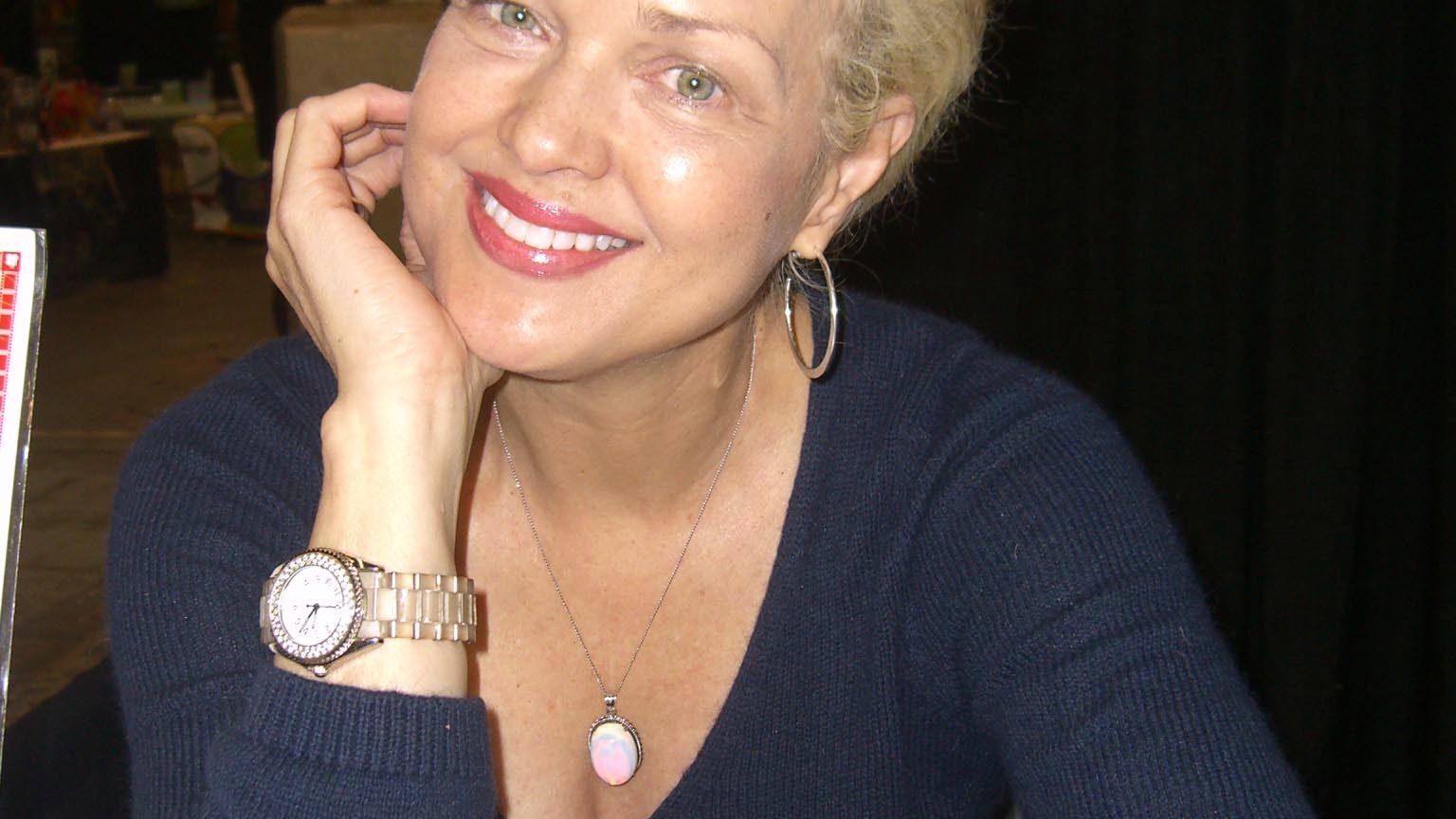
Anderson never fully left her fans. She remains a beloved pop-culture figure, regularly appearing at fan conventions across the country, often alongside her Flash Gordon co-star Sam J. Jones. Fans praise her for being generous with her time: posing for photos, signing memorabilia, and sharing memories from both her Hollywood and social-work careers.
It is a graceful arrangement. The conventions honor the actress she was; the therapy practice is the professional she became. She moves between the two worlds without apparent conflict, the cult heroine and the clinician, and seems genuinely happy in both.
The 2026 Paparazzi Moment
In July 2026, Anderson briefly re-entered the celebrity news cycle when paparazzi photographed her grocery shopping at a Sprouts organic health food store in Los Angeles. An OK Magazine piece, headlined with the word unrecognizable, noted the seventy-year-old retired actress in a knit gray top and leggings, hugging an unidentified woman outside the store. It was the classic non-story: a private person, photographed without makeup, living her life.
The episode says more about celebrity culture than about Anderson. She has not sought the spotlight in three decades; the spotlight occasionally seeks her, snaps a photo of her buying groceries, and moves on. She remains, by every indication, unbothered: a therapist who happens to have once saved the universe on screen.
Her Legacy
Melody Anderson's acting legacy is Dale Arden, one of science fiction's most beloved heroines, in one of the genre's most beloved cult films. Flash Gordon endures because it is joyful, and Anderson's performance is a large part of that joy: brave, funny, and human at the center of the spectacle.
But her larger legacy is the second career. The actress who played a heroine became, in real life, someone who helps real people survive real trauma. From Dale Arden to EMDR clinician is not the career path anyone would have predicted in 1980, but it may be the most meaningful one any Flash Gordon star could have chosen. As of October 2026, Dr. Anderson, for that is effectively what she is, is still doing the work: healing, speaking, and showing up for her fans, in that order.
Frequently asked questions
Where is Melody Anderson now?
Melody Anderson is a licensed clinical social worker and certified EMDR clinician specializing in trauma and addiction, practicing in New York and California through counselingbymelody.com. The former actress, who played Dale Arden in Flash Gordon (1980), retired from acting in the mid-1990s. She also speaks internationally on recovery and appears at fan conventions.
Why did Melody Anderson quit acting?
Her final role was playing Marilyn Monroe in the 1993 television movie Marilyn & Bobby: Her Final Affair, which drew controversy over its fictionalized portrayal of Monroe's rumored relationship with Robert F. Kennedy. Anderson has said the controversy effectively blacklisted her in Hollywood. She then chose to leave the industry and dedicate herself to mental health.
How old is Melody Anderson?
Melody Anderson was born on December 3, 1955, in Edmonton, Alberta, Canada, which makes her 70 years old as of October 2026. She was 24 when Flash Gordon was released in 1980.
Was Melody Anderson really blacklisted?
She has said so herself. In interviews, Anderson revealed that she was blacklisted in Hollywood because of the controversy surrounding Marilyn & Bobby: Her Final Affair (1993), whose subject matter overshadowed her positively reviewed performance as Monroe. The film became her final acting role.
What is EMDR therapy?
EMDR stands for Eye Movement Desensitization and Reprocessing, a structured psychotherapy used to treat trauma and PTSD. Anderson is a certified EMDR clinician, and her practice focuses on trauma and addiction, built on her licenses as a clinical social worker in New York and California.
Is Melody Anderson married?
Anderson has kept her personal life private throughout her career, and there is no widely reported public record of a marriage. Her public presence centers on her therapy practice and her convention appearances with Flash Gordon fans.
Does Melody Anderson still do conventions?
Yes. She remains a beloved guest at fan conventions across the country, often appearing alongside her Flash Gordon co-star Sam J. Jones. Fans praise her generosity with photos, autographs, and stories from both her Hollywood years and her social-work career.
What was Melody Anderson in besides Flash Gordon?
She starred in Dead and Buried (1981), headlined the NBC series Manimal (1983), and co-starred with Chuck Norris in Firewalker (1986). Her TV guest spots included Dallas, CHiPS, The A-Team, and Murder, She Wrote, and her final role was Marilyn Monroe in Marilyn & Bobby: Her Final Affair (1993).
Sources
- Melody Anderson - WikipediaWikipedia
- The True Hollywood Story of Melody AndersonHollywood Obsessed Podcast
- Melody Anderson - I Used To Watch ThisI Used To Watch This
- Counseling by Melody - official sitecounselingbymelody.com