What Happened to Spencer Tracy, the Actor?
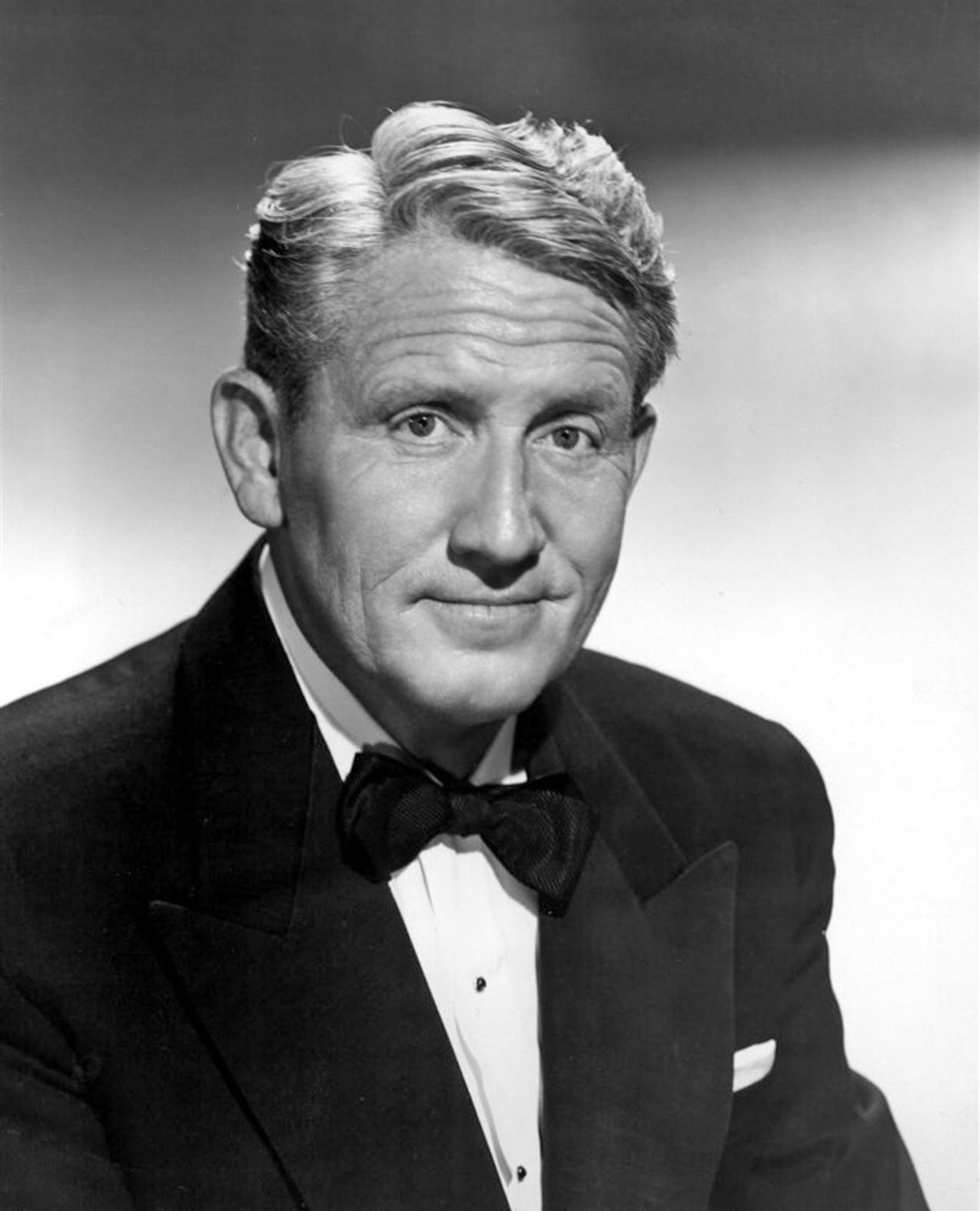
A Milwaukee Boy Who Could Not Sit Still
Spencer Tracy was born Spencer Bonaventure Tracy on April 5, 1900, in Milwaukee, Wisconsin, the second son of Caroline Brown Tracy and John Edward Tracy, a truck salesman, and he was, from the start, a boy who could not sit still, who was, in the words of his biographer, a hyperactive child, who was always in trouble, who was always fighting, who was always running, and who was, in the end, sent to Ripon College in Wisconsin, where he discovered, for the first time, that he could act, and where he played in the college theatre, and where he was, for the first time, good at something, and where he decided, in the end, that acting was what he wanted to do. He served in the United States Navy in the First World War, at Naval Station Great Lakes, though he never went to sea, and after the war he won a scholarship to the American Academy of Dramatic Arts in New York, and he began, slowly, to build the career that would make him famous.
He met his future wife, Louise Treadwell, when they were acting and touring in stock together, in the Wood Players, in White Plains, New York, and they married in September 1923, and they had two children, John, born in 1924, who was deaf, and Louise, known as Susie, born in 1932, and the marriage, in the end, did not work, and the couple lived apart for most of it, and Tracy, as a Roman Catholic, would not consider divorce, and they never divorced, and Louise, in the end, was still his wife when he died, forty-four years after they married, and Hepburn, in the end, did not attend his funeral, out of respect for his wife and children.
The Last Mile and the Fox Years
Tracy made his Broadway debut in 1922, and he appeared in a series of plays, and in 1930 he starred in The Last Mile, a prison drama, on Broadway, and the play was a hit, and he received fourteen curtain calls on the opening night, and the film studios noticed, and Fox Film Corporation signed him, and he made his first film, Up the River, in 1930, with Humphrey Bogart, and he made, in the next five years, a series of films for Fox, and he was, by the end of them, a familiar face, and a man who was known for playing tough guys, and for playing men who did not fit, and for playing, in the end, the men who were, in the end, himself.
He left Fox in 1935 and signed with Metro-Goldwyn-Mayer, at the time the most prestigious studio in Hollywood, and he made Fury in 1936, directed by Fritz Lang, in which he played Joe Wilson, a man who is nearly lynched, and the film was a hit, and it made him, and he made San Francisco in 1936, with Clark Gable, and he made Libeled Lady in 1936, and he was, by the end of 1936, one of MGM's top stars, and a man who could do anything, and who did, and who was, in the end, the man who played the tough guy, and who played him better than anyone else, because he was, in the end, the tough guy, and because he did not have to act it.
MGM, Fury, and Two Oscars in a Row
Captains Courageous came in 1937, in which Tracy played Manuel, a Portuguese fisherman, and the performance won him the Academy Award for Best Actor, and Boys Town came in 1938, in which he played Father Flanagan, a priest who runs a home for boys, and the performance won him the Academy Award for Best Actor again, and he became the first actor to win two consecutive Academy Awards for Best Actor, a record that has never been broken, and he was nominated nine times in all, sharing the record for nominations in the category with Laurence Olivier, and he was, by the end of the 1930s, the biggest star in Hollywood, and a man who could do anything, and who did.
He made seventy-five films in his career, over thirty-seven years, and he was, by the account of everyone who worked with him, one of the greatest actors in the history of American film, and a man who made it look easy, and who made it look natural, and who made it look, in the end, as if he was not acting at all, and who was, in the end, the actor that other actors measured themselves against, and who was, in the end, the man who said, of acting, that it was a matter of showing up on time, knowing your lines, and not bumping into the furniture, and who was, in the end, the man who did all three, and who did them better than anyone else.
He made San Francisco in 1936, with Clark Gable, and Libeled Lady in 1936, with Jean Harlow, and Myrna Loy, and William Powell, and he made Edison, the Man in 1940, in which he played Thomas Edison, and he made The Yearling in 1946, in which he played Penny Baxter, and he was nominated for the Academy Award again, and he made Bad Day at Black Rock in 1955, in which he played John Macreedy, a one-armed veteran, and the performance won him the Best Actor award at the Cannes Film Festival, and he made The Old Man and the Sea in 1958, in which he played Santiago, an old fisherman, and the performance earned him his eighth Academy Award nomination, and he was, by the end of the 1950s, a man who had been nominated eight times, and who had won twice, and who was, in the end, one of the greatest actors in the history of American film, and a man who had, in the end, proved that he could do anything, and who had, in the end, done it.
Hepburn: Nine Films, Twenty-Five Years
In 1942 Tracy appeared with Katharine Hepburn in Woman of the Year, beginning a professional and personal partnership that led to nine films over 25 years, and to a relationship that lasted until his death, and that was, in the end, the most famous relationship in Hollywood, and the relationship that everyone knew about, and that nobody talked about, and that was, in the end, an open secret. They made Keeper of the Flame in 1942, Without Love in 1945, Sea of Grass in 1947, State of the Union in 1948, Adam's Rib in 1949, Pat and Mike in 1952, Desk Set in 1957, and Guess Who's Coming to Dinner in 1967, and they were, on screen, a couple who fought, and who loved, and who fought again, and who loved again, and they were, off screen, a couple who fought, and who loved, and who fought again, and who loved again, and they were, in the end, the couple that everyone wanted to be, and the couple that everyone wanted to be near.
Hepburn called him the best movie actor there was, and she had wanted him for her comeback vehicle, The Philadelphia Story, in 1940, and she was delighted when he became available for Woman of the Year, and she said, of him, that she was just damned grateful he was willing to work with her, and he was, in the end, the man who made her better, and she was, in the end, the woman who made him better, and they were, in the end, the pair that defined Hollywood, and the pair that, in the end, could not be separated, even in death, because she was, in the end, the person who was in the house when he died, and the person who found him, and the person who, in the end, did not attend his funeral, out of respect for his wife and children.
A Wife, Two Children, and the Bottle
Tracy was married once, to Louise Treadwell, from 1923 until his death in 1967, and he had two children, John, born in 1924, who was deaf, and Louise, known as Susie, born in 1932, and the marriage, in the end, was a marriage in name only, and the couple lived apart for most of it, and Tracy, as a Roman Catholic, would not consider divorce, and they never divorced, and Louise, in the end, was still his wife when he died, and she was, in the end, the person who buried him, and who, in the end, was the person who had been married to him for forty-four years, and who had, in the end, been married to him for longer than anyone else had been married to anyone in Hollywood.
He was, by his own account and by the account of everyone who knew him, an alcoholic, who drank heavily, and who fought the bottle for most of his life, and who was, in the end, a man who drank because he felt guilty, and who felt guilty because he drank, and who was, in the end, a man who could not stop, and who could not start, and who could not, in the end, do anything except drink, and work, and love Hepburn, and be, in the end, a man who was, in the end, a tragedy, and who was, in the end, a man who was, in the end, a great actor, and who was, in the end, a man who was, in the end, a human being, and who was, in the end, a man who died, as he had lived, on his own terms.
Kramer, Dinner, and the Last Seventeen Days
Tracy left MGM in 1955, and he continued to work regularly as a freelance star, despite an increasing weariness as he aged, and towards the end of his life he worked almost exclusively for the director Stanley Kramer, and it was for Kramer that he made his last films, including Inherit the Wind in 1960, in which he played Henry Drummond, a lawyer defending a teacher who taught evolution, and Judgment at Nuremberg in 1961, in which he played Judge Dan Haywood, and It's a Mad, Mad, Mad, Mad World in 1963, in which he played Captain Culpepper, and Guess Who's Coming to Dinner in 1967, in which he played Matt Drayton, a newspaper publisher whose daughter brings home a black fiance, and the film was completed on May 24, 1967, seventeen days before his death, and it was, in the end, the last thing he did, and the last thing he was, and the last thing he left behind.
He was, by then, frail, and he looked much older than his sixty-seven years, and he was looked after, for the last five years of his life, at his Beverly Hills home, by Katharine Hepburn, and he was, in the end, a man who was dying, and who knew it, and who kept working anyway, because that was what he did, and because that was all he knew how to do, and because, in the end, there was nothing else to do, and because, in the end, the work was the only thing that kept him going, and because, in the end, the work was the only thing that mattered.
What Happened to Spencer Tracy, in the End
So what happened to Spencer Tracy? He was born in Milwaukee in 1900, the son of a truck salesman, he was a hyperactive child, he went to Ripon College, he served in the Navy in the First World War, he won a scholarship to the American Academy of Dramatic Arts, he met Louise Treadwell in stock, he married her in 1923, he had two children, he made his Broadway debut in 1922, he starred in The Last Mile in 1930, he made his first film in 1930, he signed with MGM in 1935, he made Fury in 1936, he won the Oscar for Captains Courageous in 1937, he won the Oscar for Boys Town in 1938, he met Katharine Hepburn in 1941, he made nine films with her, he left MGM in 1955, he worked for Stanley Kramer, he finished Guess Who's Coming to Dinner on May 24, 1967, and he died on June 10, 1967, at 67, of a heart attack, at his home in Beverly Hills, California.
He died at about three in the morning, after getting up to make a cup of tea, and Hepburn, who was in the house, heard the cup smash, and came downstairs, and found him dead, and the studio said that he had been found by his housekeeper, and Hepburn wrote, in her memoir, that she had been in the house, and that she had found him, and this article gives Hepburn's account, and notes the studio version, because both are part of the record, and because the truth, in the end, is that he died, and that she was there, and that she did not attend his funeral, out of respect for his wife and children, and that he was buried at Forest Lawn Memorial Park in Glendale, California, and that he was, in 1999, ranked by the American Film Institute as the ninth greatest male star of Classic Hollywood Cinema, and that he is, still, the man who won two Oscars in a row, and the man who made nine films with Hepburn, and the man who, in the end, was the best movie actor there was.
Frequently asked questions
What happened to Spencer Tracy?
Spencer Tracy died on June 10, 1967, at 67, of a heart attack, at his home in Beverly Hills, California. He had finished his last film, Guess Who's Coming to Dinner, 17 days earlier. He was buried at Forest Lawn Memorial Park in Glendale.
What was Spencer Tracy most famous for?
Winning two consecutive Academy Awards for Best Actor, for Captains Courageous (1937) and Boys Town (1938), a record that has never been broken, and his nine films with Katharine Hepburn over 25 years, including Woman of the Year, Adam's Rib and Guess Who's Coming to Dinner.
Was Spencer Tracy married?
Yes, once, to Louise Treadwell, from 1923 until his death in 1967. They lived apart for most of the marriage, but as a Roman Catholic he would not consider divorce, so they never divorced.
How many children did Spencer Tracy have?
Two: John, born in 1924, who was deaf, and Louise, known as Susie, born in 1932. Both were with his wife Louise Treadwell.
How did Spencer Tracy die?
Of a heart attack, at about 3 a.m. on June 10, 1967, after getting up to make a cup of tea. Katharine Hepburn, who was in the house, heard the cup smash and found him. The studio said he was found by his housekeeper; this article gives Hepburn's account and notes the studio version.
What was Spencer Tracy's last film?
Guess Who's Coming to Dinner (1967), directed by Stanley Kramer, in which he played Matt Drayton. Filming was completed on May 24, 1967, 17 days before his death.
How many films did Spencer Tracy make with Katharine Hepburn?
Nine, over 25 years: Woman of the Year (1942), Keeper of the Flame (1942), Without Love (1945), Sea of Grass (1947), State of the Union (1948), Adam's Rib (1949), Pat and Mike (1952), Desk Set (1957) and Guess Who's Coming to Dinner (1967).
Did Spencer Tracy win an Oscar?
Yes, twice, consecutively: for Captains Courageous (1937) and Boys Town (1938). He was the first actor to win two consecutive Best Actor awards, from nine nominations in all.
Sources
- EN WikipediaBirth, Ripon, Navy, Last Mile, MGM, Oscars, Hepburn, death
- BritannicaBirth, death, consecutive Oscars, Louise, Hepburn, nine films
- Hollywood's Golden Age75 films, children John and Susan, Hepburn, death, funeral