What Happened to Richard Todd, Actor?
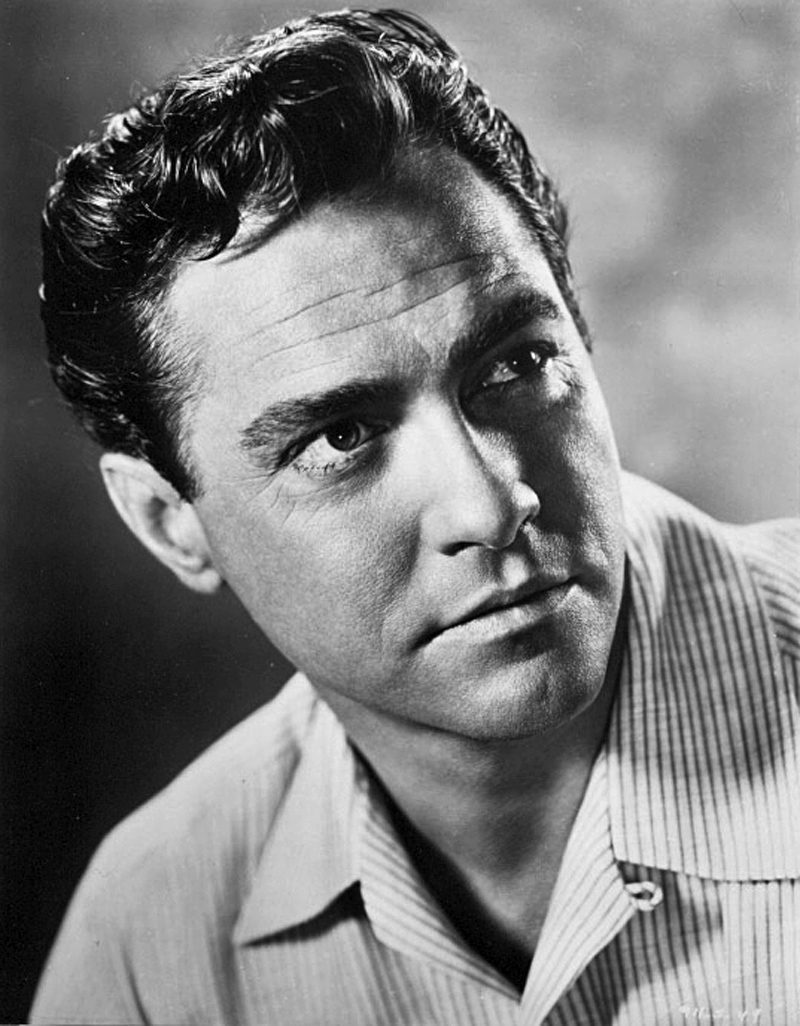
A Dublin Boy Who Learned Loss Early
Richard Todd was born Richard Andrew Palethorpe Todd on June 11, 1919, in Dublin, Ireland, the son of Andrew William Palethorpe Todd, an Irish rugby international who became a British Army physician, and the boy grew up in a military household, with the discipline and the decency that would define him. His mother died by suicide, and Todd learned of it only when he was nineteen, years after it had happened, and he admitted in later life that he did not grieve long for her, a remark that says something about the distance in the family and the stoicism he would carry into every role he played. He was educated in Ireland and England, and he found the stage young, joining Dundee Repertory Theatre, where he learned his craft in the hard school of weekly repertory, and where he met his first wife, the actress Catherine Grant-Bogle.
The stage was his first home, and the stage taught him the plain, unshowy style that became his trademark, because Todd never acted with flourishes, and his performances were built on stillness and understatement, and the understatement was the point, because it was the style of the British officer class he came from, and it was the style that made him believable as a man under pressure. He was twenty-two when the war came, and the war took him away from the stage for five years, and the five years were the making of him, because they gave him the experience that no acting school could give, and the experience was D-Day.
D-Day and Pegasus Bridge
Todd was commissioned into the British Army in 1941, and he volunteered for airborne forces, joining the 7th (Light Infantry) Parachute Battalion, and on June 6, 1944, as a captain, he parachuted into occupied Normandy as part of the force sent to capture Pegasus Bridge, one of the most famous small actions of D-Day. He fought through Normandy and stayed with his battalion for the rest of the war, serving as a motor transport officer and spending his final year of service in Palestine, where he once somersaulted a jeep and suffered a broken shoulder and a head injury, and he was demobilised in 1946, after five years of service that had taken him from a London cadet school to a Normandy field.
The war stayed with him, and it shaped the rest of his career, because he was one of the few actors of his generation who had actually done the things he was later asked to pretend to do, and the pretending was therefore different for him, and the difference showed. He met his commanding officer, Major John Howard, at Pegasus Bridge, and eighteen years later he played Howard in The Longest Day, the epic film of D-Day, re-enacting the capture of the bridge with another actor playing the young Lieutenant Richard Todd, a doubling that has no parallel in film history, and that Todd himself treated with typical understatement, as simply another job, done properly.
The Hasty Heart and an Oscar Nomination
Todd's film career began the moment the war ended, because he was offered a screen contract on his return, and his credited film debut came in the 1949 British noir For Them That Trespass, and his star-making turn followed in the same year, in The Hasty Heart, in which he played Corporal Lachlan MacLachlan, a dying Scottish soldier, opposite Ronald Reagan. The performance won him the Golden Globe for Most Promising Newcomer and an Academy Award nomination for Best Actor, and it made him, overnight, one of the most promising leading men in British film, a man whose face and voice seemed made for the decent hero, and whose war record gave the heroism a foundation that audiences could feel.
The films that followed confirmed the promise, because he starred in Disney's The Sword and the Rose in 1953 and Rob Roy, the Highland Rogue in 1954, and he appeared in Alfred Hitchcock's Stage Fright in 1950, and he played the title role in A Man Called Peter in 1955, the story of the Senate chaplain, and the range was wider than the stiff-upper-lip stereotype suggested, although the stereotype was the thing that sold tickets, and the tickets were the point. He was, by the mid-1950s, a genuine star, and the stardom was built on the war, on the stage, and on a face that looked like it could be trusted, and the trust was the product, and the product was Richard Todd.
The Dam Busters and the Bond That Never Was
The role that defined Todd for the British public, and the one that still defines him, was Wing Commander Guy Gibson in The Dam Busters, the 1955 film of the RAF's famous raid on the Ruhr dams, and Todd played Gibson with the same quiet authority he brought to everything, and the film became one of the most beloved British war films ever made, and Gibson's story, the bouncing bomb and the breached dams, became part of the national mythology, and Todd's face became part of it too. He was the right man for the part, because he had been there, in a different uniform, on a different morning, and the audience knew it, even if they could not have said how they knew it.
The most famous role he never played was James Bond, because Ian Fleming wanted Todd for the part in Dr No, the first Bond film, and Todd was Fleming's first choice, but the scheduling of the filming of The Longest Day clashed with the Bond shoot, and the part went to Sean Connery, and the going to Connery was the making of Connery and the end of Todd's chance at the biggest franchise in film history. Todd never complained about it publicly, and the not complaining was characteristic, because he was a man who took the work that came and did it properly, and the Bond story is remembered now as a curiosity, and a reminder of how close he came to a different kind of fame.
The Long Fade and Television
By the 1970s Todd's film career was in decline, as the leading-man roles dried up and the industry changed around him, but he kept working, because work was what he did, and the work moved to television, where he appeared in Doctor Who in 1982, and in Murder, She Wrote and Midsomer Murders, and in Heartbeat, and the television work kept him in front of audiences for another two decades, and the audiences remembered him, because the face and the voice were the same, and the authority was the same, and the authority was the thing that had never faded. He was the subject of This Is Your Life in 1988, and he was appointed an Officer of the Order of the British Empire in 1993, for his contributions to drama, and the OBE was the establishment's recognition of a career that had run for fifty years.
His final appearance came in May 2008, when he appeared with Les Munro, the last surviving pilot from the raid on the Ruhr dams, at an event marking the history he had helped to film, and the appearance was fitting, because it joined the actor to the history one last time, and the history was the war, and the war was the thing that had made him. He was eighty-eight, and frail, and he would not travel to Normandy for the D-Day commemorations the following month, and instead a ninetieth birthday party was held for him at Grantham House in Lincolnshire, attended by military figures, and the party was the farewell, although no one called it that.
Two Marriages, Five Children, Two Tragedies
Todd was married twice, and the two marriages were the frame of his personal life, because the first, to Catherine Grant-Bogle, whom he had met at Dundee Repertory, lasted from 1949 to 1970, and produced a son, Peter, and a daughter, Fiona, and the second, to the model Virginia Mailer, lasted from 1970 to 1992, and produced two sons, Andrew and Seamus. He also had a son, Jeremy, with Patricia Nelson, making five children in all, and the five children were the family, and the family was the wound, because two of his sons died by suicide, and the suicides were the tragedies that marked his later years.
Seamus, his youngest son, shot himself in the family home in Lincolnshire in 1997, at twenty, and an inquest determined that his death might have been a depressive reaction to the drug he was taking for severe acne, and Peter, his eldest son, killed himself with a shotgun in 2005, at fifty-three, following marital difficulties, and Todd visited their adjoining graves regularly, and the visiting was the grief, and the grief was private, because Todd did not talk about it publicly, and the not talking was the stoicism, and the stoicism was the man. He was survived by his daughter Fiona and two of his sons, Jeremy and Andrew, and the surviving was the family, and the family was what remained.
What Happened to Richard Todd, in the End
So what happened to Richard Todd? He was born Richard Andrew Palethorpe Todd in Dublin in 1919, the son of an Irish rugby international and Army physician, and he learned of his mother's suicide when he was nineteen, and he joined Dundee Repertory and met his first wife there, and he was commissioned in 1941 and parachuted into Normandy on D-Day with the 7th Parachute Battalion, and he was demobilised in 1946, and he made his film debut in 1949 and was nominated for an Academy Award for The Hasty Heart in the same year, and he played Guy Gibson in The Dam Busters in 1955, and he was Ian Fleming's first choice for James Bond, and he played his own commanding officer in The Longest Day in 1962, and he was appointed an OBE in 1993, and he lost two sons to suicide, and he made his final appearance with Les Munro in May 2008.
He died on December 3, 2009, at 90, of cancer, at his home in Little Humby, Lincolnshire, in his sleep, and he was buried between his two sons, Seamus and Peter, at St Guthlac's Church in Little Ponton, Lincolnshire, and the epitaph on his grave reads Richard Andrew Palethorpe Todd, 1919 to 2009, husband of Virginia and Kitty, loving father of Peter, Fiona, Andrew, Seamus and Jeremy, exit Dashing young Blade, a reference to the description made by the Queen Mother of the actor, and he is, still, the D-Day paratrooper who became a film star, and the Guy Gibson of The Dam Busters, and the man who almost became James Bond, and who died, in the end, at 90, in Lincolnshire, and who is, in the end, remembered every time the dams, in the end, are breached.
Frequently asked questions
What happened to Richard Todd?
Richard Todd died at 90 at his home in Lincolnshire, of cancer, in his sleep. He had been a D-Day paratrooper before becoming an Oscar-nominated film star, and he was buried between his two sons at a village church in Lincolnshire.
Was Richard Todd really at D-Day?
Yes. As a captain in the 7th Parachute Battalion he parachuted into Normandy on D-Day as part of the force sent to capture Pegasus Bridge. Years later he played his own commanding officer, Major John Howard, in the film The Longest Day.
What was Richard Todd's most famous role?
Wing Commander Guy Gibson in The Dam Busters, the film of the RAF raid on the Ruhr dams. He was also nominated for an Academy Award for Best Actor for The Hasty Heart.
Was Richard Todd really considered for James Bond?
Yes. Ian Fleming wanted him for the role in Dr No, but a scheduling clash with The Longest Day meant the part went to Sean Connery instead.
Who was Richard Todd married to?
Twice: Catherine Grant-Bogle, an actress he met in Dundee Repertory, and later the model Virginia Mailer. Both marriages ended in divorce.
How many children did Richard Todd have?
Five: Peter and Fiona with his first wife, Andrew and Seamus with his second wife, and a son, Jeremy, with Patricia Nelson. Two of his sons, Seamus and Peter, died by suicide.
What happened to Richard Todd's sons?
Seamus died at twenty, and an inquest suggested his death may have been a depressive reaction to acne medication. Peter died years later, following marital difficulties. Todd visited their adjoining graves regularly.
Where is Richard Todd buried?
At St Guthlac's Church in Little Ponton, Lincolnshire, between his two sons Seamus and Peter. His epitaph quotes the Queen Mother's description of him as a dashing young blade.
Sources
- EN WikipediaBirth June 11 1919, D-Day parachute drop, Hasty Heart Oscar nomination, Dam Busters, Bond near-miss, OBE 1993, death December 3 2009
- Sandhurst TrustDublin birth, D-Day Pegasus Bridge, Hasty Heart, Longest Day, Fleming Bond choice, OBE, death 2009
- CinemaSightDublin birth, Oscar nomination, Dam Busters, two sons' suicides, death December 3 2009 at 90, burial between his sons