What Happened to Mary Pickford, Sweetheart?
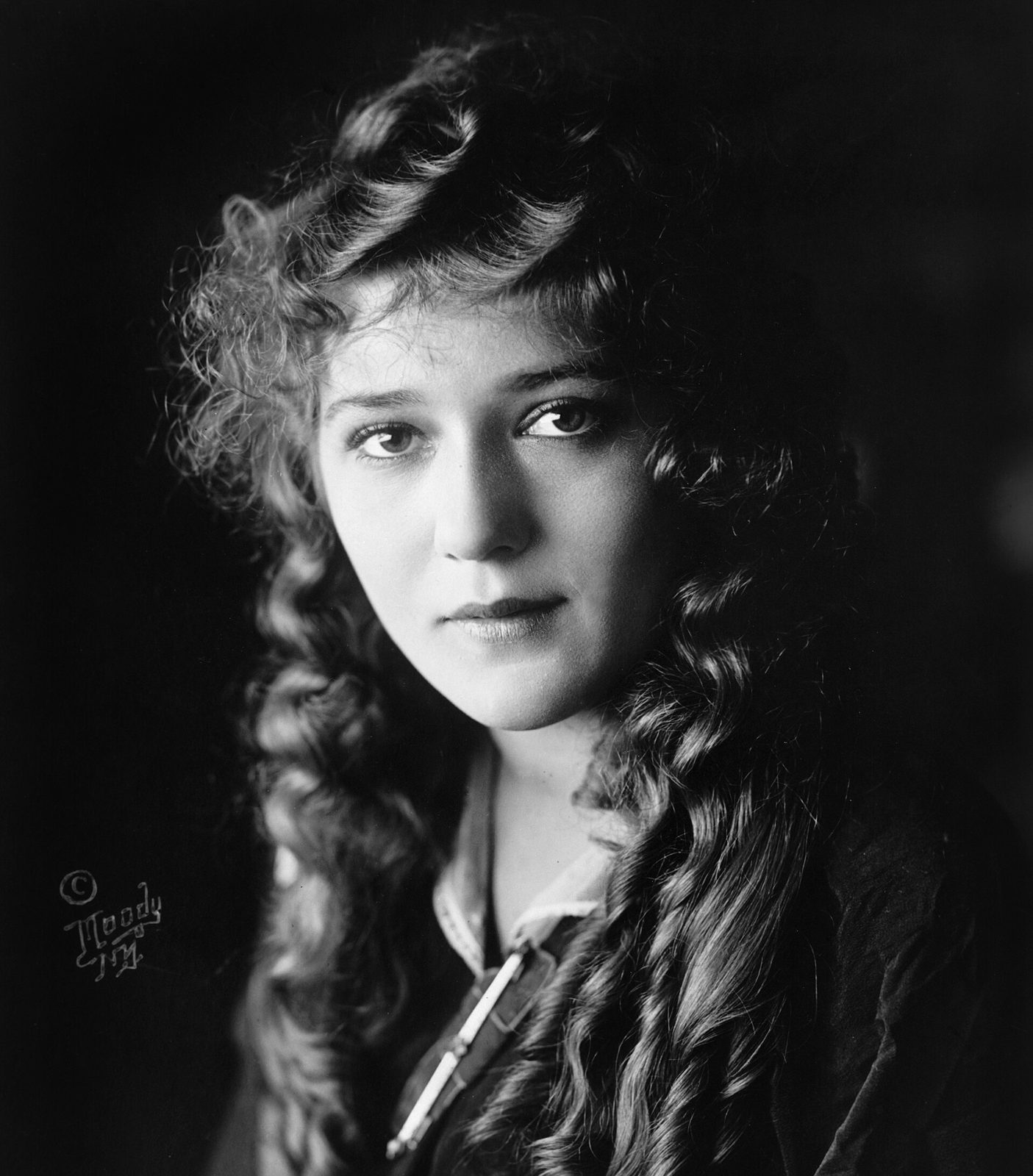
A Toronto Child on the Stage
Mary Pickford was born Gladys Louise Smith on April 8, 1892, in Toronto, Ontario, the daughter of John Charles Smith and Charlotte Hennessey, and she was, from the very start, a working child, because her father died when she was young, and her mother took the children on the stage to keep the family fed, and Gladys began acting at the age of seven, touring with stock companies across Canada and the United States, playing child parts in melodramas, and learning, night after night, how to hold an audience, how to cry on cue, and how to make a crowd of strangers love her, and she took the stage name Mary Pickford at the suggestion of the theatrical producer David Belasco, and her brother Jack and her sister Lottie took the name too, and the family act became, in the end, the Pickfords, and the girl who had been Gladys Smith became, in the end, Mary Pickford, and the name would, in the end, become the most famous name in the world.
She came to film in 1909, when she was seventeen, and she went to the Biograph studio in New York, and she met D. W. Griffith, and Griffith put her in short films, and she made more than 150 short films in her years with Biograph, the Independent Motion Picture Company, and Majestic, learning the camera the way she had learned the stage, and discovering that the close-up loved her face, and that the curls and the smile and the tears worked even better on screen than they had in the theatre, and by 1912 she was back at Biograph, and by 1913 she was working in features with Adolph Zukor and the Famous Players Film Company, which would become Paramount, and by 1916 her popularity had climbed so high that Zukor gave her a contract that made her a partner and let her produce her own films, and she became, in 1916, Hollywood's first millionaire, and the most recognisable woman in the world, and she was, by then, only twenty-four years old, and already the biggest star the movies had ever known.
America's Sweetheart and the Ingenue
Pickford's screen persona was the ingenue, the girl with the golden curls, the brave, good-hearted young woman who suffered beautifully and triumphed in the end, and she is credited with having defined that type for the cinema, and the films that made her famous were built around it, among them Tess of the Storm Country in 1914, Rebecca of Sunnybrook Farm in 1917, The Poor Little Rich Girl in 1917, and Pollyanna in 1920, and in all of them she played girls far younger than herself, and audiences believed her, because she had the face and the manner for it, and because she understood, better than anyone, what the camera wanted from her, and she starred in 52 features in her career, and she had, at the height of it, complete creative control of her films, choosing her stories, her directors, and her co-stars, and no other actress of the silent era had that kind of power, and very few actors of any era have had it since.
She was called America's Sweetheart, and the name fitted, because she was, in the 1910s and the early 1920s, the most popular actress in the world, and her films played everywhere, and her face was on magazine covers and on postcards and on advertisements, and she was, in the end, the first movie star in the modern sense, the first performer whose fame went beyond the screen and into the daily life of the public, and she knew the value of that fame, and she guarded it, and she used it, and when the time came to break with the studios, she had the money and the nerve to do it, and she did, and the break changed Hollywood, and it changed her life, and it made her, in the end, not just a star but a studio head, and a woman who owned a piece of the business she had helped to build.
United Artists and the Studio Rebellion
In 1919 Pickford joined Charlie Chaplin, Douglas Fairbanks, and D. W. Griffith to create United Artists, a company designed to distribute their own films, and the four of them were, at the time, the most famous names in the movies, and their rebellion was, in the end, a declaration that artists could control their own work, and Pickford was, in the end, the business mind of the group, the one who understood contracts and percentages, and who had been, since 1916, the first movie actress to receive a percentage of her films' earnings, and she served as a vice president of United Artists from 1935 until 1937, and she remained a co-owner of the company for decades, and she sold her stock in United Artists in 1956, the last of the four founders to do so, after Chaplin, in exile in Europe, had sold his share the year before, and the company she had helped to found went on, in the end, without her, and without any of them, and it survived, and it is, still, a name in Hollywood, and a reminder of the day the stars took on the studios.
She was also one of the 36 founders of the Academy of Motion Picture Arts and Sciences in 1927, the organisation that gives the Oscars, and she was, in the end, a founder of the two institutions that still define Hollywood, a distribution company and an academy, and she had done it all before she was forty, and she had done it, in the end, as a woman in a business run by men, and she had done it, in the end, by being smarter about money than almost anyone else in Hollywood, and by refusing to be treated as an employee when she knew she was the reason the tickets sold, and the lesson she taught Hollywood was, in the end, a simple one, that a star who owns her work is worth more than a star who only rents it out, and Hollywood has been learning it, and forgetting it, ever since.
Coquette, the Oscar, and the Talkies
The arrival of sound was the great crisis of Pickford's career, and of every silent star's career, because the voice could break the spell that the silent image had cast, and Pickford's first sound film was Coquette in 1929, in which she played a glamorous, vixenish socialite, and she cut off her famous curls into a bob for the part, and the transformation shocked her public, and the film won her the Academy Award for Best Actress, the second such award ever given, and it was, in the end, a triumph, and a warning, because the public that loved her as the girl with the curls did not want her as a grown woman, and her next talkies did not succeed, and The Taming of the Shrew in 1929, with Fairbanks, flopped, and her acting career faltered, and she tried, in the end, to give the audience what it wanted, and the audience wanted the girl she no longer was, and she knew it, and she said, afterwards, that she left the screen because she did not want what happened to Chaplin to happen to her, and she meant that she did not want to stay too long, and to be laughed at, and to be pitied, and so she stopped.
Her last film was Secrets in 1933, a box-office failure, and she retired from acting in motion pictures after it, although she remained active as a producer for several years, and she was, by then, forty-one years old, and she had been on stage or on screen for thirty-four years, since she was seven, and she had been, in the end, the most famous woman in the world, and she was, in the end, done with it, and she turned to producing, and to the business of United Artists, and to writing, and she published a novel and a memoir, and she tried, in the end, to be something other than the girl with the curls, and the world, in the end, would not let her, because the world remembered the curls, and the world wanted the curls, and the world had no use for a middle-aged Mary Pickford, and she knew it, and she stayed away.
Three Marriages and Two Adopted Children
Pickford was married three times. Her first husband was Owen Moore, a Biograph actor, whom she married secretly in 1911, and the marriage was unhappy, and Moore drank, and the two of them divorced in 1920, and her second husband was Douglas Fairbanks, the great silent star, whom she married on March 28, 1920, after a three-year affair, and the two of them were, in the end, the royal couple of Hollywood, and they lived at Pickfair, their famous Beverly Hills estate, and they entertained kings and presidents there, and the marriage lasted sixteen years, and it ended in divorce in 1936, after Fairbanks had an affair with Lady Sylvia Ashley, and Fairbanks died three years later, of a heart attack, in 1939, and Pickford, by then, had married again, and her third husband was Charles Buddy Rogers, the actor and band leader, whom she married in 1937, and the marriage lasted until her death in 1979, and Rogers was, in the end, the husband who stayed, and the man who looked after her, in the long years of her retirement, when almost no one else came to call.
She and Rogers adopted two children in the 1940s, Ronald and Roxanne, and the family was, in the end, not a happy one, and she became estranged from her daughter Roxanne for a time, when Roxanne, at eighteen, ran off to marry a man her parents did not approve of, and Pickford, who had been a working child herself, and who had given her childhood to the stage, was, in the end, a strict and difficult mother, and the children grew up in the shadow of a legend, and in a house that had become, in the end, a museum of a fame that no longer existed, and Rogers, who survived her, was left with the house, and with the children, and with the memory of a woman who had been, in the end, the most famous woman in the world, and who had ended her life, in the end, almost alone, in the house she had shared with Fairbanks, and then with Rogers, and that she had, in the end, hardly ever left.
Pickfair, Reclusion, and the Honorary Oscar
After her retirement Pickford became, gradually, a recluse, and the drinking that had grown after her divorce from Fairbanks grew worse, and she allowed visits only from a few old friends, among them Lillian Gish, and her stepson Douglas Fairbanks Jr., and she turned down offers to act, among them Sunset Boulevard and Storm Center, and she stayed at Pickfair, and she watched the world change, and she watched the movies change, and she watched the stars she had known die, one by one, and by 1972 she had become quite reclusive, and she lived, in the end, very much as the character of Norma Desmond would live, in the film she had turned down, a silent star in a dark house, remembering a fame that the world had forgotten, and she was, in the end, still the most important woman Hollywood had ever produced, and almost no one in Hollywood remembered it, and almost no one came to see her, and she did not, in the end, seem to mind, or she minded, and said nothing, and stayed, in the end, where she was.
In 1976 the Academy gave her an Honorary Academy Award for her contributions to the cinema, and she refused to appear in person at the ceremony, and the Academy sent a film crew to Pickfair, and she accepted the award on videotape, from her own house, and the speech was short, and the image was of an old woman, and the audience at the ceremony stood, and the award was, in the end, the recognition she had earned sixty years earlier, and it came, in the end, too late to bring her back, and she was, by then, eighty-four years old, and ill, and tired, and she had, in the end, only three more years to live, and she spent them, in the end, as she had spent the twenty years before them, at Pickfair, with Rogers, and with almost no one else, and the house, in the end, was sold ten months after her death, and it was, in the end, demolished in 1990, after Pia Zadora bought it, and the most famous house in Hollywood became, in the end, an empty lot, and then a new house, and the memory of Pickfair lived on, in the end, only in photographs, and in the films, and in the name.
What Happened to Mary Pickford, in the End
So what happened to Mary Pickford? She was born Gladys Louise Smith in Toronto in 1892, she went on the stage at seven, she came to film in 1909, she made more than 150 short films for Biograph, she became Hollywood's first millionaire in 1916, she co-founded United Artists in 1919, she married Douglas Fairbanks in 1920, she helped to found the Academy in 1927, she won the Oscar for Coquette in 1929, she cut off her curls, she made her last film, Secrets, in 1933, she divorced Fairbanks in 1936, she married Buddy Rogers in 1937, she adopted Ronald and Roxanne in the 1940s, she sold her United Artists shares in 1956, she received an Honorary Oscar in 1976, and she died on May 29, 1979, at 87, of a cerebral hemorrhage, in a hospital in Santa Monica, California.
She was buried at Forest Lawn Memorial Park in Glendale, California, alongside her third husband, Buddy Rogers, and she is, still, the woman the public called America's Sweetheart, and the actress who defined the ingenue, and the businesswoman who co-founded United Artists, and the founder of the Academy, and the winner of two Academy Awards, and the woman the American Film Institute named, in 1999, the 24th-greatest female star of classical Hollywood cinema, and she is, still, remembered, by everyone who studies the movies, as the first great female star, and the first star who understood that fame was a business, and who owned it, and who kept it, and who was, in the end, Mary Pickford, and who is, still, the standard by which every movie star who followed her has been measured, and found wanting, or found worthy, and who was, in the end, eighty-seven years old, and who had lived, in the end, five decades in the movies, and who had, in the end, changed them, for good.
Frequently asked questions
What happened to Mary Pickford?
Mary Pickford died on May 29, 1979, at 87, of a cerebral hemorrhage, in a hospital in Santa Monica, California. She had been reclusive at Pickfair for years and was buried at Forest Lawn Memorial Park in Glendale.
What was Mary Pickford most famous for?
Being the most popular actress of the silent era, known as America's Sweetheart, and defining the ingenue type in cinema. Her famous films include Pollyanna (1920), The Poor Little Rich Girl (1917) and Coquette (1929).
Did Mary Pickford win an Oscar?
Yes, twice. She won Best Actress for Coquette (1929), her first sound film, and received an Honorary Academy Award in 1976 for her contributions to American cinema.
What was United Artists and did Mary Pickford co-found it?
Yes. In 1919 she co-founded United Artists with Charlie Chaplin, Douglas Fairbanks and D. W. Griffith, so the four stars could distribute their own films. She sold her shares in 1956, the last founder to do so.
Why did Mary Pickford retire from acting?
Her last film was Secrets in 1933. Her talkies after Coquette (1929) did not succeed, and audiences still wanted her as the girl with the golden curls. She said she left before the public could turn on her, as she felt had happened to Chaplin.
Was Mary Pickford married three times?
Yes. Owen Moore (1911-1920), Douglas Fairbanks (1920-1936) and Charles Buddy Rogers (1937 until her death in 1979). With Rogers she adopted two children, Ronald and Roxanne, in the 1940s.
What happened to Pickford's house, Pickfair?
Pickfair, her Beverly Hills estate with Douglas Fairbanks, was sold ten months after her death. Pia Zadora bought it in 1988 and had it demolished in 1990.
When was Mary Pickford born?
April 8, 1892, in Toronto, as Gladys Louise Smith. She later claimed 1893 or 1894 as her birth year, but the record gives 1892, and this article follows the record.
Sources
- EN WikipediaBirth, stage career, Biograph, United Artists, Coquette, marriages, death
- Encyclopedia.comFirst star of American cinema, United Artists, retirement, reclusion, death
- TV InsiderBirth, death, United Artists, last film, alcoholism and reclusion