What Happened to Lon Chaney, Thousand Faces?
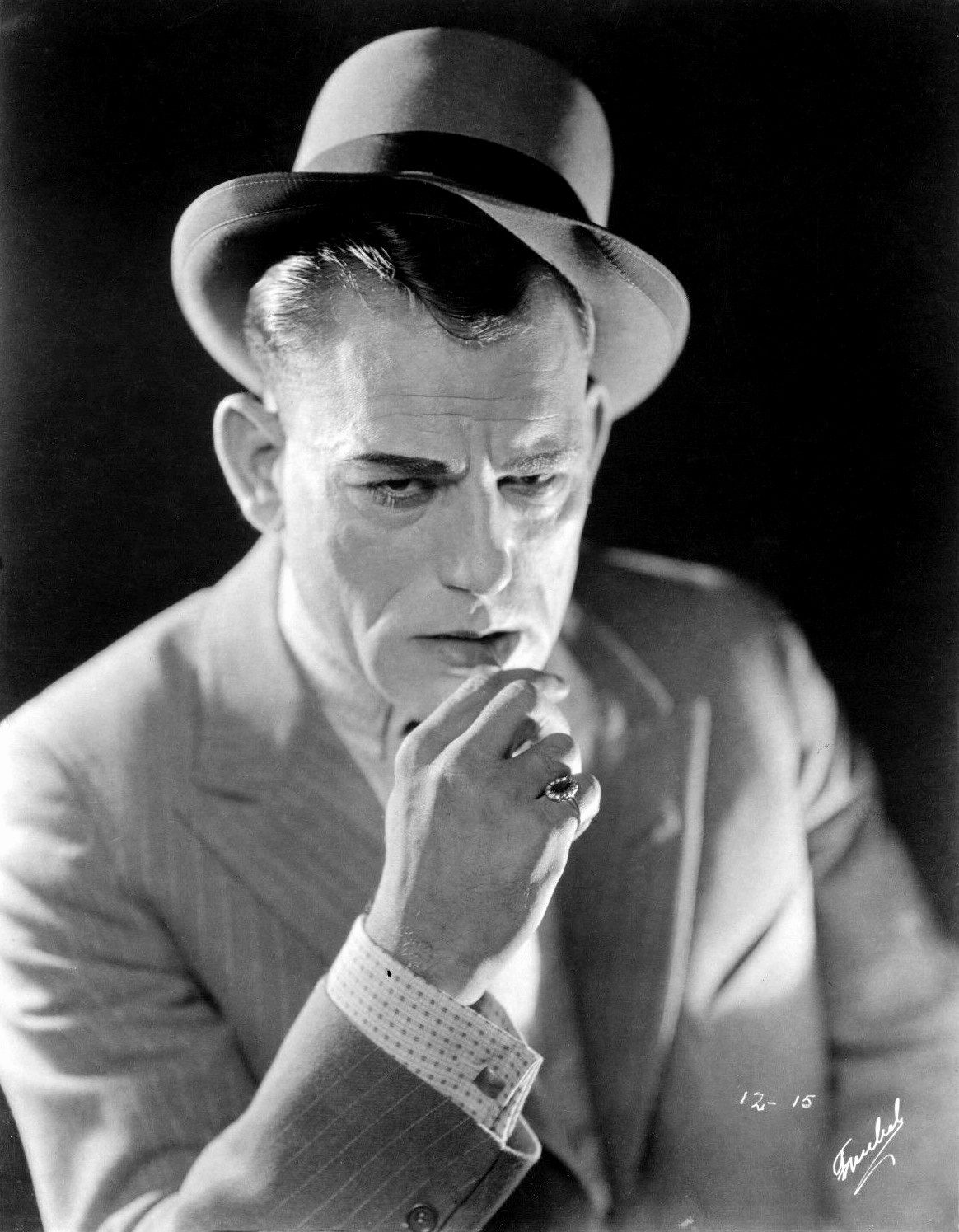
A Colorado Boy Who Spoke with His Hands
Lon Chaney was born Leonidas Frank Chaney on April 1, 1883, in Colorado Springs, Colorado, the son of Frank H. Chaney and Emma Alice Kennedy, and he was, from the very start, a child of silence, because both of his parents were deaf, and the boy learned sign language before he learned to speak, and he learned, in the end, to act with his hands, and with his face, and with his body, and the pantomime he learned at home became, in the end, the foundation of his art, because the silent screen needed actors who could speak without words, and Chaney could do it better than anyone, and he went on the stage in 1902, when he was nineteen, and he toured with stock companies, and he acted, and he directed, and he wrote, and he learned, in the end, every part of the theatre, and he was, by 1912, ready for the movies, and he went to Hollywood, and he began, in the end, the film career that would make him famous, and that would make him, in the end, the most feared, and the most loved, character actor in the world.
He made his first films in 1912 and 1913, in small parts, and he worked his way up, and he appeared, in the end, in 157 recorded films between 1913 and 1930, and he was, by 1919, a star, and the film that made him was The Miracle Man in 1919, in which he played a crippled beggar who is miraculously healed, and the performance was, in the end, a sensation, and it proved that he could transform himself, and that he could play men who were broken, and twisted, and grotesque, and still make the audience love them, and he followed it with The Penalty in 1920, in which he played a legless crime boss, strapping his legs up behind him for the part, and the performance was, in the end, another sensation, and the pattern was set, and Chaney became, in the end, the man who would do anything to a part, and who would suffer anything for it, and who would, in the end, become the part, and disappear into it, and be, in the end, unrecognisable, and unforgettable, all at once.
The Hunchback and the Phantom
In 1923 Chaney played Quasimodo in The Hunchback of Notre Dame, and the performance was, in the end, the one that made him immortal, because he wore a harness that weighed more than 70 pounds, and he hunched his back, and he twisted his face, and he became, in the end, the bell-ringer of Notre Dame, and the film was a huge success, and it proved that a grotesque character could carry a film, and that an audience would pay to see a monster who was, in the end, a man, and two years later, in 1925, he played Erik in The Phantom of the Opera, and the performance was, in the end, even greater, because the makeup was his own invention, and the face he created, with wires and putty and pain, was so terrible that audiences fainted, and the film is, still, the definitive Phantom, and the image of Chaney, unmasked, is, still, one of the most famous images in the history of the movies, and it is, still, frightening, a hundred years later, and it is, still, the standard by which every Phantom since has been judged, and found wanting.
He was known, by then, as the Man of a Thousand Faces, and the name fitted, because he could become anyone, and he did, in the films of the 1920s, among them He Who Gets Slapped in 1924, in which he played a clown who is slapped for the amusement of others, and Tell It to the Marines in 1926, and London After Midnight in 1927, in which he played a vampire, and the film is, now, a lost film, and no complete print survives, and it is, still, the most sought-after lost film in Hollywood, and he worked, in the final five years of his film career, from 1925 to 1930, exclusively under contract to Metro-Goldwyn-Mayer, and he gave, in those five years, some of his most memorable performances, and he was, in the end, one of the most popular actors in Hollywood, and one of the best paid, and he was, in the end, at the top of the world, and he had, in the end, only months to live, and he did not know it, and no one else knew it, either.
The Makeup Pioneer and His Thousand Faces
Chaney was not just an actor, he was a makeup artist, and a pioneer, and he invented the techniques he used, and he kept them secret, and he was, in the end, so respected for his knowledge that he was asked to write an entry on makeup for the 1923 edition of the Encyclopaedia Britannica, and he did, and the entry was, in the end, the first serious account of film makeup ever published, and it proved that Chaney was not just a man who wore makeup, but a man who understood it, as a science, and as an art, and he built his characters from the outside in, starting with the face, and the body, and the walk, and he suffered for it, and the harness for Quasimodo weighed more than 70 pounds, and the wires for the Phantom cut into his face, and the straps for The Penalty cut off the circulation in his legs, and he did it, in the end, because he believed that the audience had to believe, and that belief came, in the end, from pain, and from truth, and from a face that was, in the end, real, even when it was false.
His makeup kit became, in the end, as famous as he was, and after his death his widow donated it to a Los Angeles museum, where it is, still, displayed, and where it is, still, a relic, and a reminder of a time when an actor made his own face, and when the movies were, in the end, a craft, and not just a business, and Chaney's influence is, still, everywhere in the movies, in every actor who transforms himself, and in every makeup artist who builds a monster, and in every horror film that asks the audience to love a creature it should fear, and he is, still, the man who taught Hollywood that a monster could be a hero, and that a hero could be a monster, and that the difference was, in the end, only a matter of makeup, and of heart, and of a man who understood both.
Cleva, Hazel, and a Son Named Creighton
Chaney was married twice. His first wife was Frances Cleveland Creighton, known as Cleva, a singer, whom he met in 1905, when he was twenty-two and she was sixteen, and they married, and in 1906 their only child was born, a son, Creighton Tull Chaney, and the marriage was, in the end, a disaster, because Cleva drank, and the two of them fought, and on April 30, 1913, Cleva went to the Majestic Theater in Los Angeles, where Chaney was managing a show, and she attempted suicide by swallowing mercuric chloride, and the attempt failed, but it ruined her singing career, and the scandal that followed forced Chaney out of the theatre and into film, and the two of them divorced, and Chaney got custody of Creighton, and Cleva, in the end, disappeared from his life, and from the boy's life, and the boy grew up, in the end, with his father, and with the silence of a house that had lost its mother, and the wound stayed with him, and with his father, for the rest of their lives.
His second wife was Hazel Hastings, whom he married in 1915, and the two of them led a discreet private life, distant from the Hollywood social scene, and Hazel was, in the end, the wife who stayed, and who was with him when he died, and who survived him by three years, dying in 1933, and she was buried next to him, at Forest Lawn, and Creighton, the son, did not become an actor until after his father's death, in 1930, and he took, in the end, his father's name, and became Lon Chaney Jr., and he played, in the end, the monsters his father had played, and he carried, in the end, the name, and the legacy, and the burden, of being the son of the Man of a Thousand Faces, and he did it, in the end, for forty years, and he did it, in the end, well, and the two of them are, still, the only father and son in Hollywood history to both become horror legends, and to both be honoured, in 1997, on United States postage stamps, for the monsters they played.
Thunder, the Talkie, and the Last Months
In the winter of 1929 Chaney was filming Thunder, a melodrama, when he came down with pneumonia, and his condition did not improve, and he went back to the doctor, and he was diagnosed with bronchial lung cancer, and the news was, in the end, a death sentence, and he knew it, or he suspected it, and he kept working anyway, because that was what he did, and during the filming artificial snow, made out of cornflakes, became lodged in his throat, and it created a serious infection, and his condition worsened, and he finished the film, and he went on to make his only talking picture, a sound remake of his silent classic The Unholy Three, in 1930, in which he played a ventriloquist, and he surprised everyone with an excellent speaking voice, and the film was well received, and people anticipated that the Man of a Thousand Faces would become the Man of a Thousand Voices, and that he would, in the end, conquer sound as he had conquered silence, and that he would, in the end, go on for years, and it was not to be, because seven weeks after the release of The Unholy Three, he was dead.
He died on August 26, 1930, in Los Angeles, and the cause of his death is disputed, and the dispute matters, because the newspapers of the day gave different accounts, and one obituary, written the day after he died, said the cause was lobar pneumonia from anemia, and another story, printed the same day, said it was a lung hemorrhage, and a third said it was a throat hemorrhage, and most modern references cite cancer, either throat or lung, and this article follows the modern majority view, that he died of a throat hemorrhage caused by bronchial lung cancer, and it notes the older accounts, because the truth is, in the end, that a man who had been ill for a year, with cancer, and pneumonia, and a throat infection, died of all of them at once, and that the exact word on the certificate matters less than the fact that he was forty-seven, and that he had just made his first talkie, and that he was, in the end, at the top of his career, and that he was gone.
The Unmarked Crypt and the Biopic
Chaney was buried at Forest Lawn Memorial Park in Glendale, California, next to the crypt of his father, and his crypt remains, for reasons unknown, unmarked, and the story that his grave is unmarked is, apparently, true, and photographs show it, and the unmarked crypt has become, in the end, part of the legend, because the man who could become anyone left, in the end, no name on his own grave, and his funeral was held on August 28, 1930, in Glendale, and it was attended by many of Hollywood's elite, among them Irving Thalberg, Louis B. Mayer, Lionel Barrymore, and Tod Browning, and the United States Marine Corps provided a chaplain and an honor guard, and the news of his death made front-page news across the world, and the world mourned a man it had known, in the end, only as a monster, and a hunchback, and a phantom, and a clown, and never, in the end, as himself, because he had never let the world see himself, and that was, in the end, the point.
His legacy was sealed in 1957, when he was the subject of a biopic, Man of a Thousand Faces, in which he was portrayed by James Cagney, and the film told his story to a new generation, and it made him, in the end, a legend for people who had never seen his films, and in 2000 he was the subject of a documentary, Lon Chaney: A Thousand Faces, produced by the silent-film expert Kevin Brownlow and narrated by Kenneth Branagh, and he has a star on the Hollywood Walk of Fame, and his son carried his name into the 1970s, and the two of them were commemorated, in 1997, on United States postage stamps, and his films are, still, shown, and studied, and loved, and the Phantom is, still, the Phantom, and the Hunchback is, still, the Hunchback, and the man who played them is, still, the Man of a Thousand Faces, and he is, still, the greatest character actor the silent screen ever produced, and he was, in the end, only forty-seven when he died, and he had, in the end, only just begun.
What Happened to Lon Chaney, in the End
So what happened to Lon Chaney? He was born in Colorado Springs in 1883, to deaf parents, he went on the stage in 1902, he went to film in 1912, he had his breakthrough in The Miracle Man in 1919, he played The Penalty in 1920, he played Quasimodo in The Hunchback of Notre Dame in 1923, he played the Phantom in The Phantom of the Opera in 1925, he signed with MGM in 1925, he made London After Midnight in 1927, he married Cleva Creighton in 1905, his son Creighton was born in 1906, he married Hazel Hastings in 1915, he fell ill filming Thunder in 1929, he made his only talkie, The Unholy Three, in 1930, and he died on August 26, 1930, at 47, of a throat hemorrhage, in Los Angeles, California.
He was buried at Forest Lawn Memorial Park in Glendale, in an unmarked crypt, and his wife Hazel was buried next to him in 1933, and his son became Lon Chaney Jr., and he was the subject of a biopic, Man of a Thousand Faces, in 1957, and he is, still, the Man of a Thousand Faces, and the man who played Quasimodo, and the Phantom, and who is, still, the greatest character actor of the silent screen, and who is, still, remembered, by everyone who loves horror, and by everyone who loves the movies, as the man who could become anyone, and who became, in the end, no one, because he left no name on his grave, and who was, in the end, forty-seven years old, and who had made, in the end, more than 150 films, and who had, in the end, changed the movies, for good, and who is, still, Lon Chaney, and who will be, in the end, for as long as there are monsters on the screen.
Frequently asked questions
What happened to Lon Chaney?
Lon Chaney died on August 26, 1930, at 47, of a throat hemorrhage, in Los Angeles, California. He had been ill with bronchial lung cancer and pneumonia, and he died seven weeks after the release of his only talking picture, The Unholy Three (1930).
What was Lon Chaney most famous for?
Playing Quasimodo in The Hunchback of Notre Dame (1923) and Erik in The Phantom of the Opera (1925). His ability to transform himself with makeup he invented earned him the nickname the Man of a Thousand Faces.
Did Lon Chaney make any talking pictures?
Only one. The Unholy Three (1930), a sound remake of his silent classic, was his only talkie. He played a ventriloquist and surprised everyone with an excellent speaking voice.
Why is Lon Chaney's grave unmarked?
For reasons unknown, his crypt at Forest Lawn Memorial Park in Glendale, California, remains unmarked. His wife Hazel was buried next to him in 1933, and photographs confirm the crypt has no name on it.
What happened to Lon Chaney's first wife?
Frances Cleveland Creighton, known as Cleva, attempted suicide by swallowing mercuric chloride on April 30, 1913. She survived but her singing career was ruined, and the scandal forced Chaney out of the theatre and into film. They divorced, and Chaney got custody of their son.
Was Lon Chaney's son also an actor?
Yes. Creighton Tull Chaney became Lon Chaney Jr. after his father's death in 1930. He played the Wolf Man (1941) and became a horror star in his own right, the only actor to play all four of Universal's classic monsters.
How many films did Lon Chaney make?
He appeared in 157 recorded films between 1913 and 1930, working in the final five years of his career exclusively under contract to Metro-Goldwyn-Mayer.
What did Lon Chaney die of?
The cause is disputed. Contemporary obituaries said lobar pneumonia from anemia or a lung hemorrhage; most modern sources give a throat hemorrhage from bronchial lung cancer. This article follows the modern majority view and notes the older accounts.
Sources
- EN WikipediaBirth, deaf parents, Hunchback, Phantom, MGM, death
- Rotten TomatoesCareer, pneumonia, lung cancer, throat hemorrhage, unmarked crypt
- Horror Film WikiBiography, Cleva, Hazel, death, biopic, makeup kit