What Happened to Lon Chaney Sr., Silent Star?
The Hearing Son of Deaf Parents
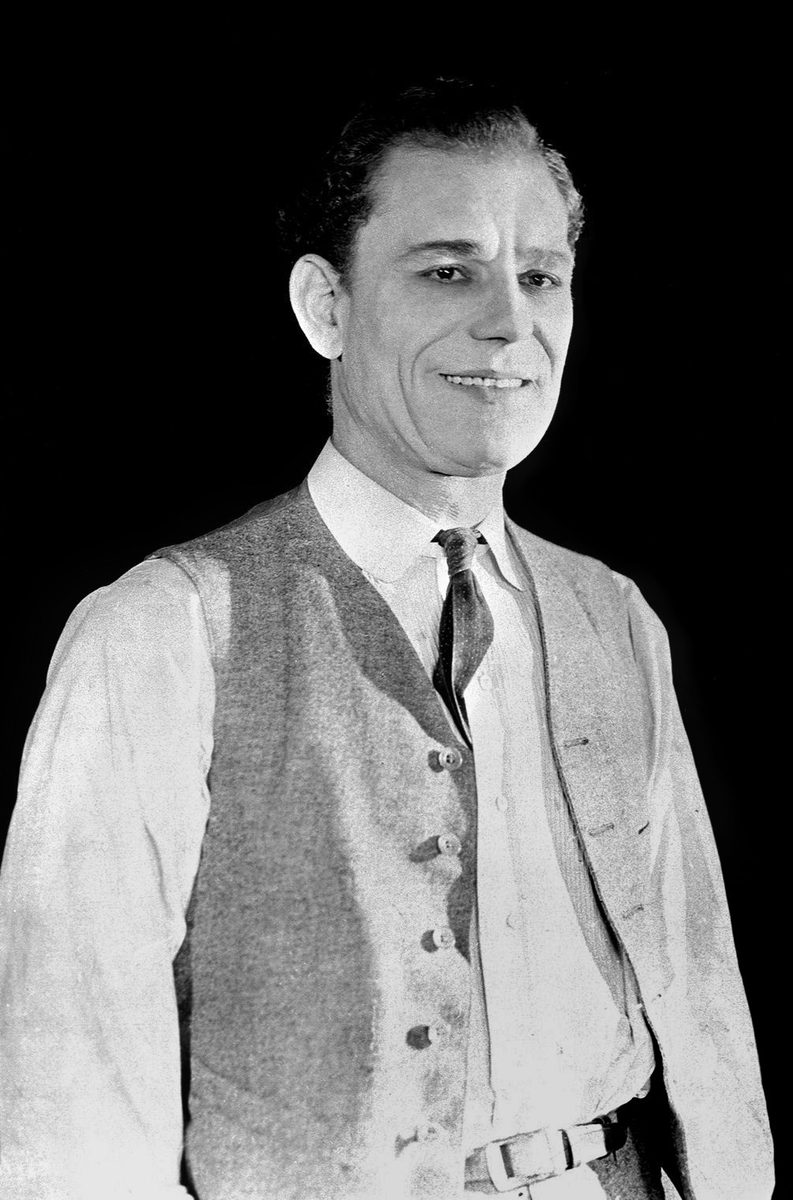
Lon Chaney was born Leonidas Frank Chaney on April 1, 1883, in Colorado Springs, Colorado, the second of four children, and both of his parents were deaf, and the deafness was the making of him, because he grew up communicating in pantomime, and the pantomime taught him to speak with his hands and his face and his whole body, and the body language became his art. His father was a barber, and the family was not rich, and the boy left home young, working in vaudeville and on the stage from 1902, learning the trade of the travelling actor, the makeup, the costumes, the quick changes, and the changes were the point, because Chaney was a chameleon from the start.
He married Cleva Creighton in 1905, and the marriage produced a son, Creighton Tull Chaney, born in 1906, who would later take his father's name and become Lon Chaney Jr., the Wolf Man, and the marriage ended in divorce, and Chaney married again in 1915, to Hazel Hastings, and the second marriage lasted until his death. The family was the anchor, and the anchor was Hazel, who managed his household and his career, and who survived him by three years, and the surviving was the grief, and the grief was private, because Chaney was a private man, and the privacy was the mask behind which he worked.
The Miracle Man and the Rise of a Star
Chaney's film career began in 1912, when he started acting in short films for Universal, and the work was steady but unremarkable, and the unremarkable years were the apprenticeship, because he was learning the camera, and the camera was learning him. The breakthrough came in 1919, with The Miracle Man, in which he played a crippled beggar who is miraculously cured, and the performance was a sensation, because Chaney transformed himself so completely that audiences did not recognise him, and the transformation was the revelation, and the revelation was that makeup and pantomime could do what dialogue could not. The Miracle Man made him a star, and the stardom was the beginning of the legend.
The films that followed made the legend permanent, because he played the deformed bell-ringer Quasimodo in The Hunchback of Notre Dame in 1923, a performance that required hours of makeup and a harness that weighed forty pounds, and he played Erik, the Phantom, in The Phantom of the Opera in 1925, a performance whose unmasking scene is still one of the most famous moments in the history of the movies, and he played the legless criminal in The Penalty in 1920, and the vampire in London After Midnight in 1927, a film that is now lost, and the clown in Laugh, Clown, Laugh in 1928, and the range was extraordinary, because he was never the same man twice, and the not being the same man twice was the point.
The Man of a Thousand Faces
The nickname that stuck to Chaney was the Man of a Thousand Faces, and the nickname was earned, because he did his own makeup, and the makeup was a craft he had taught himself, and the craft involved wire, putty, greasepaint, false teeth, wigs and contact lenses, and the results were painful, because the makeup was often agonising to wear, and the agonising was part of the job, and the job was the transformation. He was so secretive about his methods that he kept his makeup case locked, and the locked case became part of the legend, and the legend was that no one knew how he did it, and the not knowing was the magic, and the magic was the movies.
The makeup was not vanity, because Chaney was not a handsome man in the conventional sense, and the conventional sense was not the point, because the point was character, and the character was always the outsider, the deformed, the disfigured, the outcast, and the outcast was the role he played best, because he understood the outcast, and the understanding came from the pantomime of his childhood, and the pantomime had taught him that the face was a language, and the language was universal, and the universal language was why the silent screen loved him, and why the silent screen needed him.
A Hundred and Fifty Films
By the time of his death Chaney had appeared in around a hundred and fifty films, a number that is astonishing even by the standards of the silent era, when actors worked fast and often, and the films ranged from the famous, like He Who Gets Slapped in 1924 and Tell It to the Marines in 1926, to the forgotten, the two-reelers and the programmers that filled out the studio schedules, and the forgotten films were the work, and the work was the career, and the career was the movies. He was one of the highest-paid actors in Hollywood, and the highest-paid was the measure of his value, and the value was the box office, and the box office was the audience, and the audience came to see what he would become next.
The studio was MGM, and MGM knew what it had, because Chaney was a star who needed no dialogue, and the no dialogue was the gift, and the gift was perfect for the silent screen, and the silent screen was ending, and the ending was the problem, because sound was coming, and sound would change everything, and the change was the question that Chaney never got to answer, because he made only one talkie, and the one talkie was the answer, and the answer was that he could do it, and the doing it was the tragedy, because there was no time to do it again.
The Single Talkie and Dracula
The talkie was The Unholy Three, a remake of his own 1925 silent film, released in 1930, and Chaney played Professor Echo, a ventriloquist who leads a gang of jewel thieves, and the role required him to speak in five different voices, and the five voices were the proof that the silent star could talk, and the talk was good, and the good talk was the future, and the future was cut short. The film was a success, and the success proved that Chaney's career would have survived the coming of sound, and the surviving would have been the second act, and the second act never happened, because he was already dying, and the dying was the story of his last year.
The other role he never played was Dracula, because after the success of The Unholy Three, MGM and Universal were talking about Chaney playing the Count in the film of Bram Stoker's novel, and the talking was serious, and the serious talking ended with his death, and the part went to Bela Lugosi, and Lugosi made it his own, and the making it his own was the history, and the history would have been different if Chaney had lived, because Chaney's Dracula would have been a different monster, and the different monster is the great what-if of horror cinema, and the what-if is the ghost that haunts the film.
The Last Year and the Snow That Killed Him
Chaney's last film was Thunder, released in 1929, in which he played a railroad engineer, and during the filming he developed pneumonia, and the pneumonia was the beginning of the end, because he was diagnosed with bronchial lung cancer, and the cancer was in his throat, and the throat was the instrument of his art, and the art was the pantomime, and the pantomime was the body, and the body was failing. The popular story, told for decades, was that artificial snow, made of cornflakes and gypsum, had lodged in his throat during the filming of Thunder, and the lodging had caused the cancer, and the story is probably not true, because his biographer Michael Blake has argued that Chaney was a heavy smoker, and the smoking was the likelier cause, and the likelier cause is the sober explanation, and the sober explanation is the one this article gives, alongside the popular story, because both are part of the legend.
He was too ill to work, and the too ill was the end of the career, because he spent his last months in Los Angeles, under the care of his wife Hazel, and the care was the love, and the love was the family, and the family was what remained, and what remained was the waiting, and the waiting ended on August 26, 1930, when he died of a throat hemorrhage, at 47, in Los Angeles, and the contemporary reports also said lobar pneumonia from anemia and a lung hemorrhage, and the different reports are the confusion of the time, and the confusion is noted here, because the truth is that he died of a throat hemorrhage, with bronchial lung cancer as the underlying cause, and the cause was the cancer, and the cancer was the end.
What Happened to Lon Chaney Sr., in the End
So what happened to Lon Chaney Sr.? He was born Leonidas Frank Chaney in Colorado Springs in 1883, the hearing son of deaf parents, and he learned pantomime as a child and took it to vaudeville and the stage, and he married Cleva Creighton and had a son, Creighton, who became Lon Chaney Jr., and he married Hazel Hastings, and he made his film breakthrough in The Miracle Man in 1919, and he played Quasimodo in The Hunchback of Notre Dame in 1923 and the Phantom in The Phantom of the Opera in 1925, and he made around a hundred and fifty films, and he was called the Man of a Thousand Faces, and he made one talkie, The Unholy Three, in 1930, and he was considered for Dracula, and he developed bronchial lung cancer, and he died on August 26, 1930, at 47, of a throat hemorrhage.
He was buried in Forest Lawn Memorial Park in Glendale, California, in an unmarked crypt in the Great Mausoleum, and MGM observed a minute of silence on the day of his funeral, and the minute of silence was the studio's tribute, and the tribute was the measure of his standing, and the standing was the top of the silent screen. In 1957 his life was filmed as Man of a Thousand Faces, with James Cagney playing Chaney, and in 1960 he received a star on the Hollywood Walk of Fame, and his makeup case was donated to the Natural History Museum of Los Angeles County, and he is, still, the Man of a Thousand Faces, and the Phantom, and Quasimodo, and the chameleon who became a hundred men and was, in the end, one man, who died, in the end, at 47, in Los Angeles, and who is, in the end, remembered every time a mask, in the end, comes off.
Frequently asked questions
What happened to Lon Chaney Sr.?
Lon Chaney Sr. died at 47 in Los Angeles of a throat hemorrhage, with bronchial lung cancer as the underlying cause. He had made only one talkie before his death, after a career of around 150 silent films.
Who was Lon Chaney Sr.?
The silent screen's great chameleon, known as the Man of a Thousand Faces. He was famous for The Hunchback of Notre Dame and The Phantom of the Opera, and for doing his own makeup.
Why was Lon Chaney called the Man of a Thousand Faces?
Because he transformed himself completely for each role, using makeup he designed himself, and was rarely recognisable from one film to the next. He kept his methods secret and his makeup case locked.
Did Lon Chaney Sr. make any talkies?
Only one: The Unholy Three, in which he spoke in five different voices. Its success proved he could have survived the coming of sound, but he died the same year it was released.
Was Lon Chaney Sr. going to play Dracula?
Yes, he was considered for the role after his talkie success, but he died before it could happen, and the part went to Bela Lugosi.
Who was Lon Chaney Sr.'s son?
Creighton Tull Chaney, who took his father's name and became Lon Chaney Jr., the Wolf Man and star of many horror films in the following generation.
Where is Lon Chaney Sr. buried?
In Forest Lawn Memorial Park in Glendale, California, in an unmarked crypt in the Great Mausoleum. His makeup case was donated to the Natural History Museum of Los Angeles County.
What was the artificial snow story?
A popular account says artificial snow made of cornflakes and gypsum lodged in his throat during filming and caused his cancer. His biographer Michael Blake argues heavy smoking was the likelier cause.
Sources
- EN WikipediaBirth April 1 1883, deaf parents, Miracle Man breakthrough, Phantom, around 150 films, single talkie, Dracula consideration, death August 26 1930
- Mental FlossMan of a Thousand Faces, own makeup, artificial snow story, Michael Blake smoking explanation, unmarked crypt at Forest Lawn
- Horror FandomHunchback, Phantom, London After Midnight, two marriages, son Creighton, death of throat hemorrhage, 1957 biopic with James Cagney