What Happened to Lee Van Cleef, Angel Eyes?
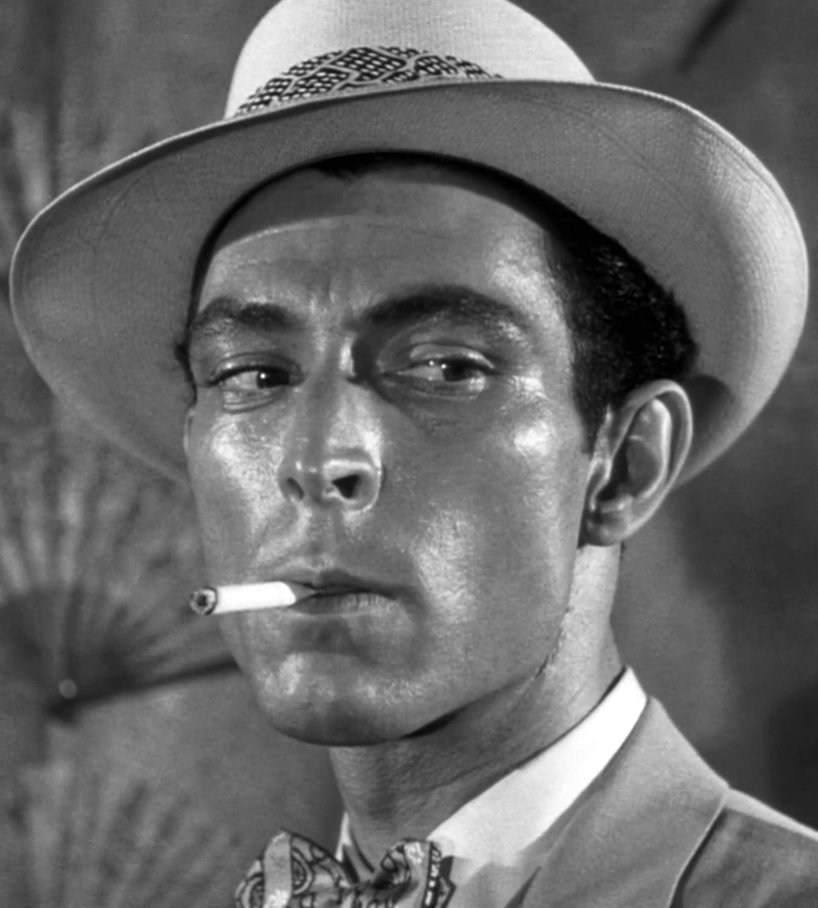
A Navy Sonarman From Somerville
Clarence LeRoy Van Cleef Jr. was born on January 9, 1925, in Somerville, New Jersey, and he grew up in the years of the Depression, and he went, when the war came, into the United States Navy, where he served as a sonarman, and where he was awarded the Bronze Star, and where he was discharged, on February 20, 1946, as a sonarman first class, and he came home, to New Jersey, and he worked, for a time, as an accountant, and he acted, in community theater, and he was, by every account, a man who had a face that the camera loved, and that the casting directors did not know what to do with, because it was too sharp, and too hard, and too dangerous-looking for a leading man, and too interesting to ignore.
He was discovered, as actors were in those days, by a talent scout, and he was brought to Hollywood, and he was given a screen test, and he was cast, in his first film, in a part that would, in the end, define the next decade of his life, and that would, in the end, make him famous, not as a star, but as a villain, and he played it, as he would play all the villains that followed, with a total commitment to the idea that the villain never thinks he is the villain, and that he is, in his own mind, the most reasonable man in the room.
High Noon and a Nose He Would Not Change
His film debut came in High Noon, in 1952, in which he played a non-speaking outlaw, one of the three men waiting for Gary Cooper at the train station, and he was offered, for the part, a sympathetic role, if he would agree to have his nose altered, and he refused, and he was relegated, instead, to a non-speaking villain, and the nose, which he would not change, became, in time, one of the most famous noses in the movies, a hawk-like nose that, with his sharp cheeks and his piercing eyes, made him the perfect villain, and that kept him, for a decade, playing minor villains and henchmen, in westerns, and in crime films, and in television, in Kansas City Confidential, in 1952, as Tony Romano, and in The Man Who Shot Liberty Valance, in 1962, as one of Lee Marvin's villainous henchmen, and in dozens of other films, in which he was, always, the man with the gun, and the man with the stare, and the man who died, in the end, at the hands of the hero.
He was, by every account, very good at it, because he understood that a villain who believes he is right is more frightening than a villain who knows he is wrong, and because he had a face that could be, in a single close-up, both handsome and terrifying, and because he never overplayed it, and never winked at the audience, and never let them see that he knew he was the villain, and he was, in the end, one of the best villains in Hollywood, and one of the least appreciated, because the audience remembered the heroes, and forgot the men who made the heroes look good, and Van Cleef was, for ten years, the man who made the heroes look good.
The 1958 Crash and the Wilderness Years
In 1958 Van Cleef was in a severe car crash, which injured his knee, and which left him, for the rest of his life, unable to ride a horse the way he once had, and which worsened his drinking, and which, in the end, helped to end the first phase of his career, because the roles dried up, and the money ran out, and he was, from 1962 to 1965, working as a freelance painter and carpenter, to make a living, and he was, by every account, a talented painter, who would, in his later years, devote himself to painting landscapes and seascapes, and who was, in the end, a man who had been a star, and who was, now, a carpenter, and who did not complain about it, because he had never learned how to complain, and because he had, in the end, a family to feed.
He also, in those years, lost the tip of his right middle finger, building a playhouse for his daughter, a small, domestic accident that has become, in time, a piece of trivia, because the missing fingertip can be seen, in the close-up shots of his hand, during the gunfights in The Good, the Bad and the Ugly, and because it says, in a single detail, who he was: a father, building a playhouse for his daughter, who lost a piece of himself in the making of it, and who went on, anyway, to become a star, and to play, in the end, one of the most famous villains in the history of the western.
Leone Makes Him a Star
In 1965 Sergio Leone cast Van Cleef, whose career had yet to take off, as a main protagonist alongside Clint Eastwood in For a Few Dollars More, in which he played Colonel Douglas Mortimer, a bounty hunter with a past, and a man who was, in the end, as heroic as Eastwood's Man with No Name, and the film was a hit, and Leone cast him again, in 1966, with Eastwood, this time as the primary antagonist, Angel Eyes, also known as Sentenza, in The Good, the Bad and the Ugly, a mercenary who was, in the end, the Bad to Eastwood's Good and Eli Wallach's Ugly, and the film became, in time, one of the most famous westerns ever made, and Van Cleef became, in the end, a star, at 41, after a decade of playing villains, and after three years of working as a carpenter.
With his roles in Leone's films, Van Cleef became a major star of spaghetti westerns, playing central, and often surprisingly heroic, roles in films such as The Big Gundown, in 1966, Death Rides a Horse, in 1967, Day of Anger, in 1967, and The Grand Duel, in 1972, and he played the title role in Sabata, in 1969, and in Return of Sabata, in 1971, and he co-starred with Jim Brown in Take a Hard Ride, in 1975, and he appeared, in all, in about twenty spaghetti westerns, and in more than 170 film and television roles in a career spanning nearly forty years, and he was, in the end, one of the most famous faces in the western, and one of the most respected, because he had earned it, the hard way, and because he had never given up.
The Master and the Later Years
In the 1970s and 1980s Van Cleef kept working, in films and on television, in The Magnificent Seven Ride!, in 1972, in Escape from New York, in 1981, in which he played the police commissioner, and in the television series The Master, in 1984, in which he played John Peter McAllister, a ninja master, in thirteen episodes, a part that was, in the end, a long way from Angel Eyes, and a long way from the westerns, and that showed, in a single role, how far he had come, and how much he was willing to try, and he was, by every account, a working actor to the end, who showed up, knew his lines, and made the scene work, and who did it, year after year, without ever stopping, and without ever complaining.
He suffered from heart disease from the late 1970s, and he had a pacemaker installed in the early 1980s, and he continued to work in films until his death, because he had never learned how to stop, and because he did not want to, and his last film was Armed Response, in 1986, and he was, in the end, a man who had been a star, and a carpenter, and a star again, and who had, in the end, done it all, and who died, in 1989, at 64, of a heart attack, at his home in Oxnard, California, with throat cancer listed as a secondary cause, and who was buried, in Forest Lawn Memorial Park, in Hollywood Hills, under a gravestone that reads, 'BEST OF THE BAD.'
Three Marriages and a Painter's Eye
Van Cleef was married three times: first to Patsy Ruth, from 1943 to 1960, with whom he had three children, David, Alan and Deborah; then to Joan Drane, from 1960 to 1974; and then to Barbara Havelone, from 1976 until his death in 1989, and he was, by every account, a private man, who kept his family out of the spotlight, and who was, in the end, remembered, by his family, not as a movie star but as a father, and a husband, and a man who loved them, and who was loved, in return, and who had, in the end, a life that was, in every way, larger than the roles he played.
He devoted himself, late in life, to painting landscapes and seascapes, a talent he had used, in the wilderness years, to make a living as a carpenter and a painter, and that he returned to, in his later years, as a pleasure, and as a way of seeing the world, and he received, in 1983, a Golden Boot Award for his contribution to the western film and television genre, a small, fitting honor for a man who had spent forty years in the western, and who had, in the end, become one of its defining faces, and who was, in the end, buried under a stone that said, simply, and truly, 'BEST OF THE BAD.'
What Happened to Lee Van Cleef, in the End
So what happened to Lee Van Cleef? He served in the Navy, he won a Bronze Star, he refused to have his nose changed, he played a non-speaking outlaw in High Noon, he played villains for a decade, he was in a car crash in 1958, he worked as a painter and a carpenter, he lost the tip of a finger building a playhouse for his daughter, he became Colonel Mortimer, he became Angel Eyes, he became Sabata, he became a star of spaghetti westerns, he played the police commissioner in Escape from New York, he played a ninja master on television, he was married three times, he had three children, he painted landscapes and seascapes, he won a Golden Boot, and he died on December 16, 1989, at 64, of a heart attack, at his home in Oxnard, California, with throat cancer as a secondary cause, and he was buried at Forest Lawn, Hollywood Hills, under a stone that reads 'BEST OF THE BAD.'
What remains is Angel Eyes, still cold, still merciless, still the Bad, in The Good, the Bad and the Ugly, and Colonel Mortimer, still hunting his bounty, still honorable, still in For a Few Dollars More, and the example of a man who started in Somerville, New Jersey, in 1925, as Clarence LeRoy Van Cleef Jr., and ended in Oxnard, California, in 1989, as Lee Van Cleef, having done exactly what he set out to do: act, for nearly forty years, in westerns, and in crime films, and on television, without ever stopping, and without ever needing to be the hero, and who died, in the end, as he had lived, as a villain, and a star, and a man who loved his work, and who did it well.
Frequently asked questions
What happened to Lee Van Cleef?
Lee Van Cleef died on December 16, 1989, at 64, of a heart attack at his home in Oxnard, California. Throat cancer was listed as a secondary cause of death. He was buried at Forest Lawn Memorial Park in Hollywood Hills, under a gravestone inscribed 'BEST OF THE BAD'.
Who did Lee Van Cleef play in The Good, the Bad and the Ugly?
Angel Eyes, also known as Sentenza, the merciless mercenary who is the Bad of the title, opposite Clint Eastwood as the Good and Eli Wallach as the Ugly. The film was released in 1966 and directed by Sergio Leone.
What was Lee Van Cleef first film?
High Noon (1952), in which he played a non-speaking outlaw. He was offered a sympathetic role if he would have his nose altered, and he refused. He then played minor villains for a decade, including Tony Romano in Kansas City Confidential (1952).
How did Sergio Leone make Lee Van Cleef a star?
Leone cast him as Colonel Douglas Mortimer, a bounty hunter, alongside Clint Eastwood in For a Few Dollars More (1965), and then as Angel Eyes in The Good, the Bad and the Ugly (1966). Van Cleef went on to star in about twenty spaghetti westerns, including The Big Gundown, Death Rides a Horse, Day of Anger and Sabata.
Did Lee Van Cleef serve in the military?
Yes. He served in the US Navy in World War II as a sonarman, won the Bronze Star, and was discharged on February 20, 1946, as a sonarman first class.
Was Lee Van Cleef married?
Yes, three times: Patsy Ruth from 1943 to 1960, with whom he had three children (David, Alan and Deborah); Joan Drane from 1960 to 1974; and Barbara Havelone from 1976 until his death in 1989.
What did Lee Van Cleef do between acting jobs?
From 1962 to 1965, when acting work dried up, he worked as a freelance painter and carpenter. He devoted himself to painting landscapes and seascapes late in life. He also lost the tip of his right middle finger building a playhouse for his daughter.
What does Lee Van Cleef gravestone say?
'BEST OF THE BAD', a reference to his many performances as a villain. He is buried at Forest Lawn Memorial Park Cemetery in Hollywood Hills, California. He received a Golden Boot Award in 1983 for his contribution to the western genre.
Sources
- EN WikipediaBirth, Navy service, High Noon, Leone films, marriages, death
- Encyclopedia.com (TheFreeDictionary)Birth, career, Leone, death, grave inscription
- TheFamousPeopleLeone films, Sabata, death, burial