What Happened to Larry Kudlow?
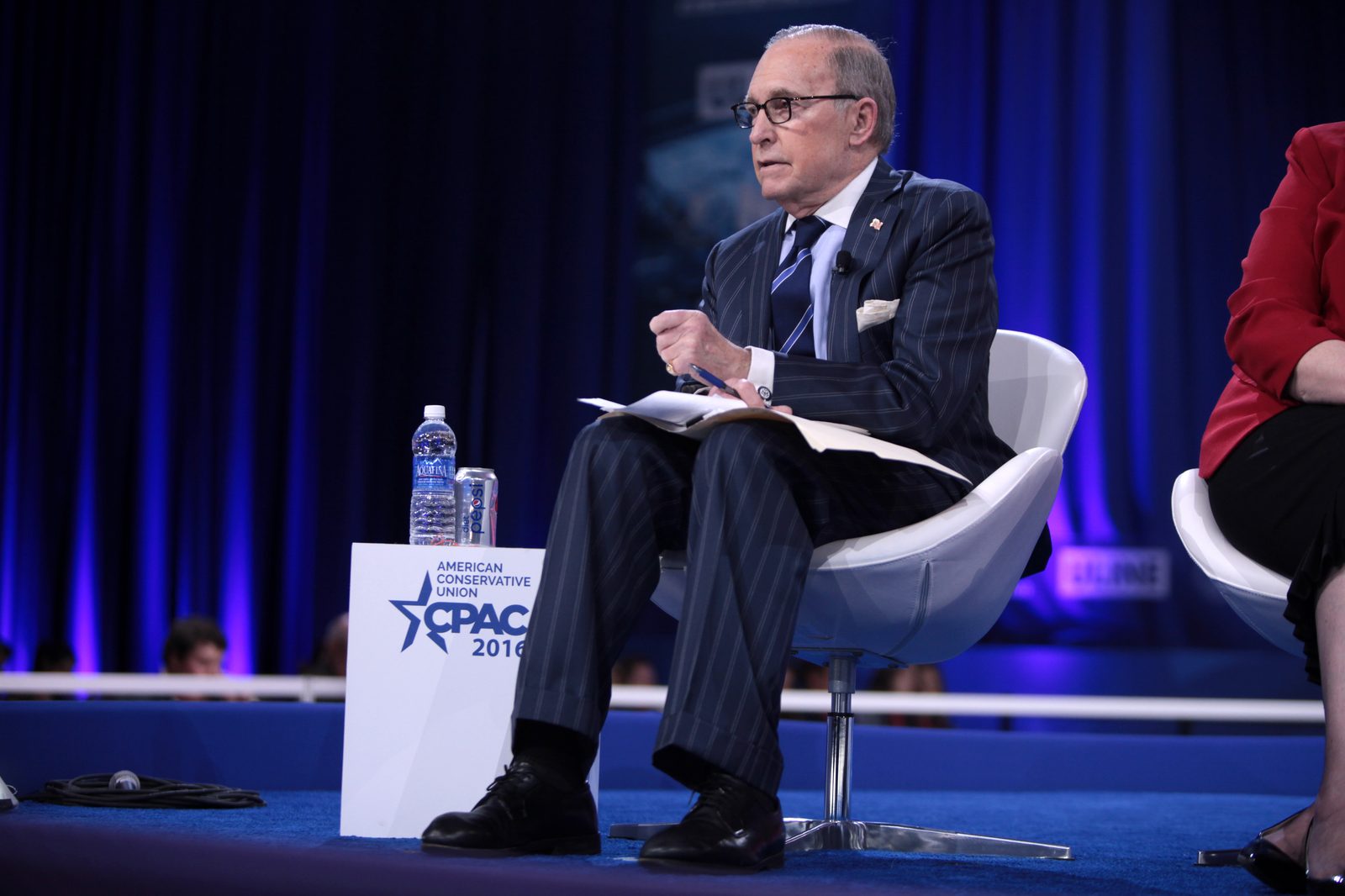
The Short Answer: Fox Business, Weeknights
Larry Kudlow never left television - he just changed channels. Lawrence Alan Kudlow, 79 (born August 20, 1947), hosts Kudlow on Fox Business Network (since February 2021), weeknights at 4 p.m. ET. Before that, he was Director of the National Economic Council under President Donald Trump (2018-2021) - the top White House economist. Before that, a CNBC institution.
He's also vice chair of the board of the America First Policy Institute - the Trump-aligned think tank. At 79, Kudlow is still doing what he's done for 40 years: talking about the economy, loudly.
Who He Was: CNBC's Optimist (2001-2018)
Kudlow's TV career began at CNBC: America Now (2001), then Kudlow & Cramer (2002-2005) with Jim Cramer, then Kudlow & Company (2005-2008). His brand: relentless, almost theological optimism about free markets, tax cuts, and growth - "the greatest story never told" was his catchphrase for the Bush economy.
Before TV, he was a Wall Street economist (Bear Stearns), a Reagan administration official (OMB, 1981-1985), and - he's spoken openly about this - a recovering addict who got sober in the 1990s. His 2000s CNBC persona was the supply-sider as TV personality: pinstripes, rapid-fire delivery, unshakeable confidence.
He also hosted The Larry Kudlow Show on WABC radio (2006-2018) - the weekend warrior of conservative economics. By 2018, he was the most recognizable economic commentator in America.
The White House: NEC Director (2018-2021)
In March 2018, President Trump named Kudlow Director of the National Economic Council - succeeding Gary Cohn. At 70, the TV pundit became the president's top economic adviser, serving through the pre-COVID boom, the 2020 crash, and the pandemic response.
It was a controversial tenure: Kudlow's rosy predictions ("no recession in sight") collided with reality, and his COVID-era statements drew fire. But he was a loyal soldier - defending the tax cuts, the trade wars, and the administration's economic record on every show that would have him.
He left with the administration in January 2021 - and walked straight back into television, this time at Fox.
Fox Business: Kudlow (2021-present)
In February 2021, Kudlow joined Fox Business Network as host of Kudlow - a daily markets-and-politics show that quickly became the network's signature program. Same Kudlow: the optimism, the supply-side gospel, the interviews with every Republican of consequence.
The show is a platform for Trump-era economic thinking: tax cuts, deregulation, energy dominance, skepticism of the Fed. Kudlow - who served the 45th president - is now the friendly analyst of the 47th, covering an administration he helped shape.
At 79, he's one of the oldest daily hosts in cable news - and shows no signs of slowing. The energy that powered CNBC in 2002 powers Fox Business in 2026.
Where Is He Now: 79 and Still Bullish
At 79, Larry Kudlow hosts a daily TV show, vice-chairs a major think tank, writes columns, and remains a central voice in conservative economics. He's outlived Bear Stearns, outlasted CNBC, served in two Republican White Houses (Reagan's OMB, Trump's NEC), and landed at Fox.
What happened to Larry Kudlow? He went from Wall Street to Washington to television - then back to Washington, then back to television. The optimist endures. The economy, he insists, will too.
The Reagan Years and Wall Street
Before television, Kudlow was a creature of the Reagan revolution: an economist at the Office of Management and Budget (1981-1985), serving under David Stockman during the supply-side heyday. The tax cuts, the deregulation, the morning-in-America optimism. Kudlow absorbed it all, and he has been preaching it ever since.
Then Wall Street: chief economist at Bear Stearns, the firm that would collapse in 2008, a collapse Kudlow (like many) did not predict. The Bear years made him rich, connected, and, by his own admission, contributed to the substance abuse problems he later overcame.
The Recovery Story
Kudlow has spoken openly about his addiction and recovery in the 1990s: cocaine and alcohol, the Wall Street cliche, hit bottom, got sober. He has been candid that the experience humbled him and deepened his Catholic faith. It is the least-known chapter of a very public life, and the one he credits with saving it.
At 79, sober for decades, with two White Houses and three TV networks behind him, Kudlow's story is resilience as much as economics. The optimist who hit bottom and climbed back, still bullish at an age when most men are retired. The greatest story never told? Maybe it is his own.
The Fox Business Years: Kudlow the Host
After CNBC, Kudlow moved to Fox Business, hosting Kudlow (2021-present), the weeknight show where the optimist holds court: markets, policy, and the occasional song. The show is the culmination of 30 years in financial television: the economist as entertainer, the bull as broadcaster.
The Fox audience is the faithful: conservatives, investors, and the Trump base that remembers the NEC years. Kudlow gives them what they want: optimism, tax cuts, and the occasional musical number. The ratings are solid; the brand is intact.
At 79, he is still on the air nightly: the optimist who never stopped believing. The Fox Business years are the victory lap: the Wall Street kid, the Reagan economist, the TV star, still bullish.
The Trump Administration: NEC Director
Kudlow served as Director of the National Economic Council (2018-2021), the president's top economic adviser, succeeding Gary Cohn. He was the public face of Trumponomics: the tax cuts, the deregulation, the trade wars (which he defended with increasing difficulty).
The tenure was consequential: the 2017 tax cuts (which he championed), the pre-pandemic boom, and the COVID crash (which he initially downplayed, famously predicting the virus was contained). The NEC years were the peak of his influence: the TV economist, now making the policy.
At 79, the NEC tenure is the capstone: the Reagan OMB staffer, now the Trump NEC director, bookending 40 years in Republican economic policy. The optimist ran the economy. The economy, mostly, cooperated.
The Early Career: From Democrat to Supply-Sider
Kudlow started as a Democrat: the young economist, the liberal, and the 1970s New York. The conversion came via Arthur Laffer and the supply-side revolution: the tax cuts, the growth, and the morning in America.
He joined the Reagan OMB (1981-1985), served under Stockman, and never looked back. The Democrat became the Republican, the Keynesian became the supply-sider. The conversion was total.
At 79, the early career is the prologue: the liberal kid who found Laffer, found Reagan, and found his calling. The optimist was made, not born.
The Personal Life: Marriage and Faith
Kudlow married Judith Pond, a painter, in 1986: the second marriage, the lasting one. They live in Connecticut, the Wall Street veteran and the artist, the optimist and the realist.
His Catholic faith, deepened by recovery, is central: the 1990s bottom, the sobriety, and the belief. He speaks openly about grace: the addict who was saved, the economist who found God.
At 79, the personal life is the anchor: the wife, the faith, and the farm. The TV star goes home to Connecticut. The optimist rests.
The Reagan Years and Wall Street
Before television, Kudlow was a creature of the Reagan revolution: an economist at the Office of Management and Budget (1981-1985), serving under David Stockman during the supply-side heyday. The tax cuts, the deregulation, the morning-in-America optimism. Kudlow absorbed it all, and he has been preaching it ever since.
Then Wall Street: chief economist at Bear Stearns, the firm that would collapse in 2008, a collapse Kudlow (like many) did not predict. The Bear years made him rich, connected, and, by his own admission, contributed to the substance abuse problems he later overcame.
The Recovery Story
Kudlow has spoken openly about his addiction and recovery in the 1990s: cocaine and alcohol, the Wall Street cliche, hit bottom, got sober. He has been candid that the experience humbled him and deepened his Catholic faith. It is the least-known chapter of a very public life, and the one he credits with saving it.
At 79, sober for decades, with two White Houses and three TV networks behind him, Kudlow's story is resilience as much as economics. The optimist who hit bottom and climbed back, still bullish at an age when most men are retired. The greatest story never told? Maybe it is his own.
The Fox Business Years: Kudlow the Host
After CNBC, Kudlow moved to Fox Business, hosting Kudlow (2021-present), the weeknight show where the optimist holds court: markets, policy, and the occasional song. The show is the culmination of 30 years in financial television: the economist as entertainer, the bull as broadcaster.
The Fox audience is the faithful: conservatives, investors, and the Trump base that remembers the NEC years. Kudlow gives them what they want: optimism, tax cuts, and the occasional musical number. The ratings are solid; the brand is intact.
At 79, he is still on the air nightly: the optimist who never stopped believing. The Fox Business years are the victory lap: the Wall Street kid, the Reagan economist, the TV star, still bullish.
The Trump Administration: NEC Director
Kudlow served as Director of the National Economic Council (2018-2021), the president's top economic adviser, succeeding Gary Cohn. He was the public face of Trumponomics: the tax cuts, the deregulation, the trade wars (which he defended with increasing difficulty).
The tenure was consequential: the 2017 tax cuts (which he championed), the pre-pandemic boom, and the COVID crash (which he initially downplayed, famously predicting the virus was contained). The NEC years were the peak of his influence: the TV economist, now making the policy.
At 79, the NEC tenure is the capstone: the Reagan OMB staffer, now the Trump NEC director, bookending 40 years in Republican economic policy. The optimist ran the economy. The economy, mostly, cooperated.
The Early Career: From Democrat to Supply-Sider
Kudlow started as a Democrat: the young economist, the liberal, and the 1970s New York. The conversion came via Arthur Laffer and the supply-side revolution: the tax cuts, the growth, and the morning in America.
He joined the Reagan OMB (1981-1985), served under Stockman, and never looked back. The Democrat became the Republican, the Keynesian became the supply-sider. The conversion was total.
At 79, the early career is the prologue: the liberal kid who found Laffer, found Reagan, and found his calling. The optimist was made, not born.
The Personal Life: Marriage and Faith
Kudlow married Judith Pond, a painter, in 1986: the second marriage, the lasting one. They live in Connecticut, the Wall Street veteran and the artist, the optimist and the realist.
His Catholic faith, deepened by recovery, is central: the 1990s bottom, the sobriety, and the belief. He speaks openly about grace: the addict who was saved, the economist who found God.
At 79, the personal life is the anchor: the wife, the faith, and the farm. The TV star goes home to Connecticut. The optimist rests.
The Reagan Years: OMB to Wall Street
Kudlow's resume runs through the centers of American economic power. Born Lawrence Alan Kudlow on August 20, 1947, he began as a junior financial analyst at the New York Federal Reserve, then left government for Wall Street, working at Paine Webber and Bear Stearns as a financial analyst.
In 1981, after previously volunteering and working for left-wing politicians and causes, he joined the administration of Ronald Reagan as associate director for economics and planning in the Office of Management and Budget. After leaving the Reagan administration during the second term, he returned to Wall Street, then to financial television: CNBC, where he became the network's resident optimist, and later Fox Business, hosting Kudlow (2021-present).
The Bullish Gospel: Kudlow's Philosophy
The throughline is optimism as doctrine. He served as director of the National Economic Council during the first Trump administration (2018-2021), the president's top economic adviser, and is now vice chair of the board of the America First Policy Institute, the nonprofit think tank promoting an America First policy agenda.
Four decades, three acts: the Fed analyst, the Reagan economist, the TV bull. At 79, still on the air nightly, still predicting the boom. The optimist who never stopped believing, now with the titles to prove it.
Frequently asked questions
What happened to Larry Kudlow?
After serving as Trump's NEC Director (2018-2021), he became host of Kudlow on Fox Business (February 2021-present). He's 79.
How old is Larry Kudlow?
He was born August 20, 1947 - 79 years old in 2026.
What did Larry Kudlow do in the Trump administration?
Director of the National Economic Council (2018-2021) - the president's top White House economist.
What show does Larry Kudlow host?
Kudlow on Fox Business Network, weeknights - launched February 2021.
Was Larry Kudlow on CNBC?
Yes - Kudlow & Cramer (2002-2005) and Kudlow & Company (2005-2008), plus WABC radio.
What is the America First Policy Institute?
The Trump-aligned think tank where Kudlow is vice chair of the board.
Did Larry Kudlow work for Reagan?
Yes - at the Office of Management and Budget (1981-1985) in the Reagan administration.
Is Larry Kudlow still on TV?
Yes - daily on Fox Business at 79.
Sources
- Larry Kudlow - WikipediaWikipedia
- National Economic Council - WikipediaWikipedia
- Fox Business - KudlowShow page