What Happened to Ken Osmond?
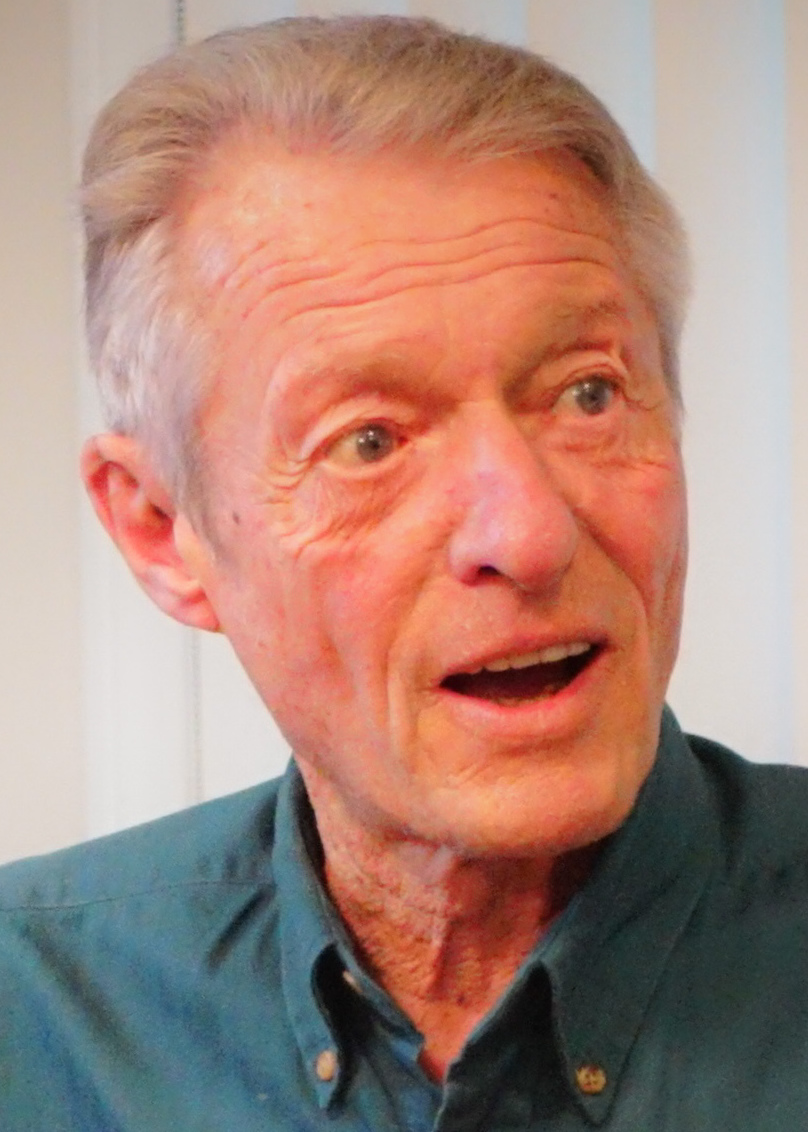
A Child Actor From Age Four
Kenneth Charles Osmond was born on June 7, 1943, in Glendale, California, the son of Pearl and Thurman Osmond. He began a career as a child actor at the age of four, doing commercials and daily auditions after school, and landed his first speaking part at age nine in So Big. It was a working childhood, not a glamorous one: auditions every day, small parts, and the slow accumulation of credits that, for most child actors, never adds up to a famous role.
For Osmond, it did. In the fall of 1957, at fourteen, he was cast as Eddie Haskell on Leave It to Beaver, from a cattle-call audition, for what was originally intended as a one-shot guest appearance. The character clicked instantly, and Eddie became a series regular for the full six-season run, 1957 to 1963, appearing in most of the run. Wikipedia gives 97 of 235 episodes, a figure flagged citation-needed there, so this article phrases it cautiously. Either way, Eddie Haskell was everywhere in the show's world, and soon everywhere outside it too.
Eddie Haskell, the Byword
Eddie Haskell was a specific comic invention, and Osmond played it perfectly. To adults, Eddie was polite, obsequious, and full of compliments: Good afternoon, Mrs. Cleaver, and what a lovely dress. Behind their backs, he was scheming, needling Wally, and leading the Beaver into trouble. The gap between the two Eddies was the joke, and it was so successful that Eddie Haskell became a byword in American English for the insincere flatterer, the person who is syrupy to your face and different when you turn away.
The role also came with a peculiar footnote. During the final years of the show, Osmond served in the U.S. Army Reserve as an armorer and was granted leave to film for Army Special Services appearances. He was, in other words, already balancing two uniforms: the teenager's clothes on the set and the reservist's uniform off it. That balancing act would become the pattern of his adult life, and it would save him when the acting work ran out.
Typecast and Out of Work
After Leave It to Beaver ended in 1963, Osmond found occasional work: Petticoat Junction in 1964 as Harold Boggs, The Munsters in 1966, Lassie in the 1967 episode A Matter of Seconds, and the films C'mon Let's Live a Little (1967) and With Six You Get Eggroll (1968). It was not enough to live on, and the reason was the role itself. In a 2008 interview with Stu Shostak, he put it bluntly: I was very much typecast. It is a death sentence. Casting directors could only see Eddie Haskell, and Eddie Haskell could not play anything else.
The personal stakes rose quickly. In 1968 he bought his first house, in 1969 he married Sandra Purdy, and they were going to start a family. He needed a job, a real one, with a paycheck that did not depend on whether anyone wanted Eddie Haskell that week. So, as he told Shostak, he went out and signed up for the LAPD. It was not a publicity move or a hobby. It was a career change made for the most ordinary reason there is: a mortgage, a marriage, and a family on the way.
Eighteen Years on the LAPD
Osmond joined the Los Angeles Police Department in 1970 as a motorcycle officer, and he grew a mustache to be less recognisable on the street. He served for eighteen years, and for most of that time he was simply Officer Osmond, a working cop whose famous past was a curiosity rather than a credential. He married in 1969, raised two sons, Eric E. and Christian, and built a life that had nothing to do with television, except when a driver he pulled over recognized the voice or the face and did a double take.
The job nearly killed him. On September 20, 1980, in a foot chase with suspected car thief Albert Cunningham, Osmond was struck by three bullets. Two were stopped by his bullet-resistant vest, and the third ricocheted off his belt buckle. His partner, Henry Lane, subdued the shooter. Osmond testified in 1988 that he thought he was dying, that he was flat on his back ten to fifteen feet away, and that he suffered clinical depression afterwards. One online piece erroneously says he was struck by five bullets, four stopped by his vest; Wikipedia, Police Magazine and Police1 all give three bullets, and this article uses that account.
The Pension Fight and Retirement
The shooting ended Osmond's street career, but not his fight with the system. He applied for a disability pension in 1984, and it was denied by a 4-2 vote of the Board of Pension Commissioners in 1986. The Superior Court overturned the denial in 1988, awarding him a lifetime pension, and he retired from the force that year, with police years active listed as 1970 to 1988. The shooting was later dramatised in a November 1992 episode of Top Cops, and in 2002 he was inducted into the IACP and DuPont Kevlar Survivors' Club, a recognition for officers whose vests saved their lives.
After retirement from the police, Osmond handled Los Angeles County rental properties and appeared at nostalgia conventions, a quieter working life than either of his famous ones. He had been a child star, a cop, a shooting survivor, and a pension litigant, and he was, by his late forties, finally in a position to choose what he did next. What he chose, in part, was to go back to Eddie, on his own terms this time.
The Return of Eddie
Osmond had already returned to acting before leaving the police. In 1983 he appeared in the CBS television movie Still the Beaver, and then in The New Leave It to Beaver (1984-1989, first on the Disney Channel and then on WTBS), playing Eddie as a husband and father. The casting carried a family joke: his real sons Eric and Christian Osmond played Freddie and Edward Bomber Haskell Jr., Eddie's sons on the show. He won the Young Artist Foundation Former Child Star Lifetime Achievement Award in 1987, in the middle of that revival run.
Later cameos as Eddie followed on Happy Days, Rags to Riches, High School U.S.A., Parker Lewis Can't Lose and Hi Honey, I'm Home!, plus the 1997 feature Leave It to Beaver as Eddie Sr., and his final film role, Characterz, in 2016. With Christopher J. Lynch he co-authored Eddie: The Life and Times of America's Preeminent Bad Boy, published in September 2014 with a foreword by Jerry Mathers, his old Leave It to Beaver co-star. The book's title is a joke and a claim at once: Eddie Haskell, the character who had trapped him, was also the character who had made him immortal.
Lawsuits, Legends and Death
Osmond spent part of his later years fighting for other actors and correcting legends about himself. On September 18, 2007, he filed a class-action lawsuit against SAG alleging 8 million dollars in foreign residuals collected but undistributed; it settled in 2010, providing 7.9 million dollars in royalties to actors. And he spent years debunking two persistent urban legends: that he had become singer Alice Cooper, and that he had become adult-film star John Holmes. Cooper's own explanation is that a college-newspaper quote, I was obnoxious, a real Eddie Haskell, was misreported into a rumor. As for Holmes, Osmond, then an LAPD officer, had a theatre remove his character's name from an X-rated marquee, was asked by LAPD Internal Affairs in 1971 to disrobe to prove he was not Holmes, and saw an early-1980s lawsuit against Le Sex Shoppe over Little Eddie Haskell video advertising dismissed on appeal for lack of malice.
He died on May 18, 2020, in Los Angeles, at 76, at home surrounded by family, per his son Eric's statement via his representative. The family's announcement gave no cause, and this article does not invent one: Wikipedia, citing the New York Times obituary, states complications of chronic obstructive pulmonary disease and peripheral artery disease, and that attribution is the honest way to report it. He left a wife of fifty-one years, two sons, and a character who had become a word in the language. Eddie Haskell was a joke about insincerity, played by a man who, by every account, was sincere to a fault.
Eddie Haskell in the Language
Eddie Haskell outlived the show that created him in a way few television characters manage: he became a word. Americans who never saw Leave It to Beaver know what an Eddie Haskell is, a person who flatters you to your face and schemes behind your back, and the phrase survives in workplaces, politics, and everyday speech. That is a rare kind of immortality, and it came at a cost to the actor who created it, because casting directors heard the name and saw only the smirk, not the performer underneath.
Osmond eventually made peace with the character by owning it. He played Eddie again in the 1980s revival and in commercials, including television spots for McDonald's as Eddie Haskell in 1988, and he titled his 2014 memoir Eddie, embracing the name that had once trapped him. The conventions, the rental properties, and the memoir were all, in their way, the same project: taking control of a character the industry had used to define him, and turning it into something he could live with. He succeeded, and the proof is that audiences remember Eddie fondly, as a joke everyone is in on, rather than as a burden the actor carried.
Frequently asked questions
What happened to Ken Osmond?
Ken Osmond died on May 18, 2020, in Los Angeles, at age 76, at home surrounded by family. After Leave It to Beaver he served 18 years as an LAPD officer, then returned to acting in the 1980s revival.
Why did Ken Osmond become a police officer?
He was typecast as Eddie Haskell and could not get acting work. In 1968 he bought a house, in 1969 he married, and he joined the LAPD in 1970 because he needed a steady job for his growing family.
Was Ken Osmond shot on duty?
Yes. On September 20, 1980, during a foot chase with a suspected car thief, he was struck by three bullets: two stopped by his vest and one ricocheting off his belt buckle. His partner subdued the shooter.
What caused Ken Osmond's death?
The family's announcement gave no cause. Wikipedia, citing the New York Times obituary, states complications of chronic obstructive pulmonary disease and peripheral artery disease.
Did Ken Osmond become Alice Cooper?
No. Cooper explained that a college-newspaper quote calling himself a real Eddie Haskell was misreported into a rumor. Osmond also was not adult-film star John Holmes, a claim he disproved to LAPD Internal Affairs in 1971.
Did Ken Osmond return as Eddie Haskell?
Yes. He played Eddie again in Still the Beaver (1983), The New Leave It to Beaver (1984-1989) with his real sons as Eddie's sons, and the 1997 feature Leave It to Beaver as Eddie Sr.
What was Ken Osmond's memoir?
Eddie: The Life and Times of America's Preeminent Bad Boy (September 2014), co-authored with Christopher J. Lynch, with a foreword by Jerry Mathers.
How many episodes of Leave It to Beaver was Ken Osmond in?
Wikipedia gives 97 of 235 episodes, flagged citation-needed there; this article phrases it as appearing in most of the run.
Sources
- EN WikipediaBiography, Eddie Haskell, LAPD career, shooting, death
- Police MagazineDeath, LAPD career, 1980 shooting details
- WMMRDeath at 76, episode count, LAPD retirement