What Happened to Johnny Cash?
The Short Answer
Johnny Cash died on September 12, 2003, at age 71, in Nashville, Tennessee, from complications of diabetes. The singer known as the Man in Black passed away just months after his beloved wife, June Carter Cash, leaving one of the most profound legacies in American music.
Born J. R. Cash on February 26, 1932, in Kingsland, Arkansas, Cash rose from Depression-era cotton fields to become a towering figure in country, rock, folk, and gospel, with a career spanning five decades.
More than two decades after his death, his legend only grows: in September 2024, the state of Arkansas installed a statue of Cash in the National Statuary Hall at the US Capitol, one of the state's two official representatives.
Who He Was: The Man in Black
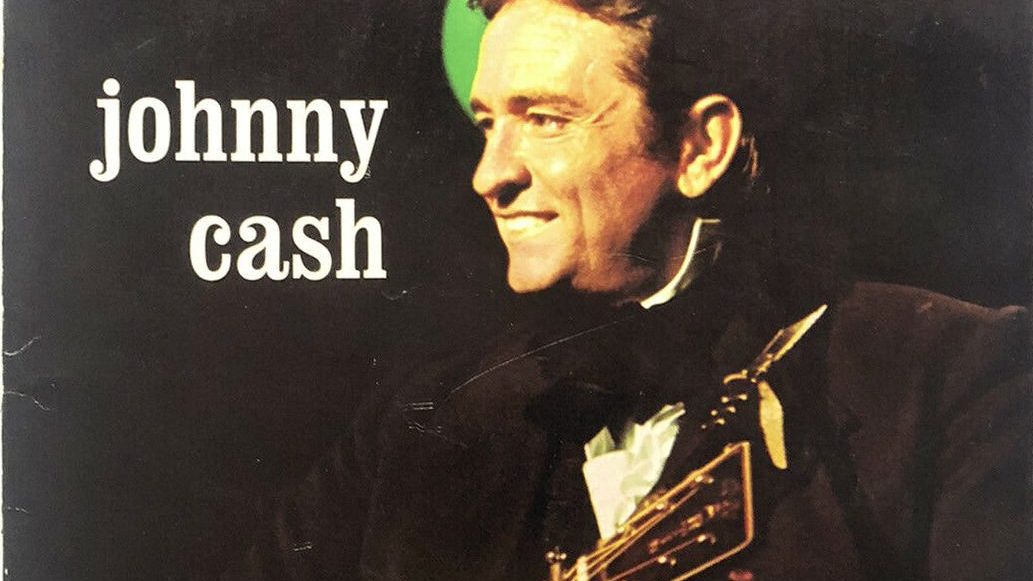
Cash's career began at Sun Records in Memphis in the 1950s alongside Elvis Presley, with hits like "I Walk the Line" and "Folsom Prison Blues." His deep bass-baritone, spare guitar rhythms, and all-black wardrobe earned him the nickname Man in Black, which he explained as solidarity with the poor and imprisoned.
His famous prison concerts, including At Folsom Prison (1968) and At San Quentin (1969), were landmark live albums that cemented his outlaw image and his empathy for the downtrodden.
He hosted The Johnny Cash Show (1969-1971), joined the supergroup The Highwaymen with Willie Nelson, Waylon Jennings, and Kris Kristofferson, and remained a cultural force across genres.
The American Recordings Comeback
In 1994, Cash began a stunning late-career revival with producer Rick Rubin, recording the stripped-down American Recordings albums. His cover of Nine Inch Nails' "Hurt," released in 2002, became one of the most acclaimed music videos ever, introducing him to a new generation.
The video, showing a frail Cash reflecting on his life, won the Grammy for Best Short Form Video and is considered among the greatest ever made. It was his final masterpiece.
He performed until near the end, giving some of his last shows in 2002 despite failing health from diabetes and autonomic neuropathy.
June Carter and Family
Cash was married twice: to Vivian Liberto (1954-1966), with whom he had four daughters, and to June Carter (1968-2003), his musical partner and the love of his life. He had five children in total, including Rosanne Cash, a acclaimed singer-songwriter, and John Carter Cash, who stewards his estate.
June died on May 15, 2003, and Cash followed just four months later, a grief many believe hastened his decline. They are buried together at Hendersonville Memory Gardens in Tennessee.
His brother Tommy Cash and grandson Thomas Gabriel carry the family's musical torch.
Death at 71
Johnny Cash died on September 12, 2003, at 71 years old, in Nashville. The cause was complications from diabetes, after years of declining health.
His funeral drew family, friends, and fellow legends. He was eulogized as a man of faith, flaws, and unparalleled artistry, whose music gave voice to sinners and saints alike.
The 2005 film Walk the Line, starring Joaquin Phoenix and Reese Witherspoon, who won an Oscar as June, introduced his story to millions more.
The Capitol Statue: 2024
In September 2024, Arkansas unveiled a bronze statue of Johnny Cash in the National Statuary Hall Collection at the US Capitol, replacing a Civil War-era figure. He became one of the first musicians so honored.
The statue depicts Cash with his guitar, Bible in hand, a tribute to the faith that anchored his turbulent life. Dignitaries, family, and fans attended the unveiling.
It was a remarkable honor for a poor Arkansas farm boy: immortality in marble and bronze, steps from the nation's founders.
Legacy
Johnny Cash was 71 when he died, leaving a catalog of faith, heartbreak, addiction, and redemption that remains among the most honest bodies of work in American music. He is in the Country, Rock and Roll, Songwriters, and Gospel Halls of Fame, the only artist so honored in all four.
His songs still play everywhere: films, commercials, protests, prisons. "I Walk the Line," "Ring of Fire," "Folsom Prison Blues," "Hurt": standards for the ages.
The Man in Black wore black for the poor and beaten down. More than 20 years after his death, his voice still speaks for them.
The Prison Concerts
Johnny Cash's prison concerts are legendary. At Folsom Prison (1968) and At San Quentin (1969) were landmark live albums, recorded before inmate audiences.
Cash's empathy for prisoners was genuine: he believed in redemption, and his songs of sin and salvation resonated behind bars.
The Folsom album revitalized his career, reaching number one on the country charts and the top 15 pop.
His prison advocacy, performing free concerts and lobbying for reform, was activism through art.
The Highwaymen
In the 1980s, Cash joined Willie Nelson, Waylon Jennings, and Kris Kristofferson as The Highwaymen, country music's first supergroup.
Their 1985 debut single, "Highwayman," topped the charts, and the group toured to massive crowds.
The collaboration united outlaw country's Mount Rushmore, four legends sharing a stage.
The Highwaymen's camaraderie was real, their performances historic, a summit of American music.
Walk the Line
The 2005 biopic Walk the Line, starring Joaquin Phoenix and Reese Witherspoon, brought Cash's story to a new generation.
Witherspoon won the Oscar for Best Actress as June Carter, and Phoenix's Cash was nominated, his performances sung live.
The film grossed over $186 million and sparked a Cash revival, introducing his music to millennials.
Cash died before its release, but the film ensured his legend would outlive him by generations.
Early Life in Dyess
Johnny Cash grew up in Dyess, Arkansas, a Depression-era farming colony where his family worked cotton fields. The poverty, faith, and music of Dyess shaped him permanently.
His mother Carrie sang gospel hymns; his older brother Jack's tragic death in 1944 scarred him deeply.
He joined the Air Force in 1950, serving in Germany as a Morse code interceptor, buying his first guitar and forming his first band.
The Air Force years, discipline, distance, and music, forged the man who would become an icon.
Dyess is now a museum, the boyhood home preserved, pilgrims visiting the fields where the Man in Black was formed.
His humble origins remained his moral compass, the poor boy who never forgot.
Faith and Redemption
Cash's Christian faith was central to his art and life, his gospel recordings as passionate as his prison songs.
He struggled with addiction to amphetamines in the 1960s, a darkness June Carter helped him escape, their love story intertwined with his redemption.
His songs wrestled with sin and salvation, the sacred and profane, making him gospel's most compelling witness.
He recorded multiple gospel albums, performed at Billy Graham crusades, and never hid his beliefs.
The 2024 Capitol statue depicts him with a Bible, faith literally set in stone.
Cash's redemption arc, from pills to prayer, gives his music its transcendent power.
Sun Records and the Million Dollar Quartet
Johnny Cash's career began at Sun Records in Memphis, where Sam Phillips signed him alongside Elvis Presley, Jerry Lee Lewis, and Carl Perkins. The Million Dollar Quartet session of 1956, an impromptu jam with all four, is rock and roll's most mythic recording.
His early Sun hits, "I Walk the Line," "Folsom Prison Blues," and "Ring of Fire," defined his sound: the boom-chicka-boom rhythm, the bass-baritone moral authority.
Sun was where Cash became Cash, the label's raw aesthetic matching his stark vision.
His move to Columbia Records in 1958 brought bigger budgets but the same integrity.
The Sun years remain the foundation of his legend, the Big Bang of the Man in Black.
His 2024 Capitol statue honors a career that started in that tiny Memphis studio.
The American Recordings Renaissance
Cash's late-career renaissance came via producer Rick Rubin and the American Recordings series (1994-2003), stark acoustic albums that stripped his music to its essence.
His cover of Nine Inch Nails' "Hurt" became his final masterpiece, the music video, intercutting his life's triumphs and ravages, winning the Grammy and breaking hearts worldwide.
The American albums introduced Cash to a new generation, his weathered voice carrying more weight than ever.
Recorded as his health failed, they are documents of mortality and grace, an old man facing the end with his guitar.
Cash died in 2003 at 71, but the American Recordings ensured his final chapter was his finest.
The Man in Black's last word was his best.
Frequently asked questions
What happened to Johnny Cash?
Johnny Cash died on September 12, 2003, at age 71 in Nashville from complications of diabetes.
How old was Johnny Cash when he died?
Johnny Cash was 71 years old when he died. He was born on February 26, 1932.
How many kids did Johnny Cash have?
Johnny Cash had five children, including singers Rosanne Cash and John Carter Cash.
Who was Johnny Cash married to?
Johnny Cash was married to Vivian Liberto (1954-1966) and June Carter Cash (1968 until their deaths in 2003).
Why was Johnny Cash called the Man in Black?
He wore black in solidarity with the poor, the imprisoned, and the downtrodden, as explained in his song 'Man in Black.'
Is there a Johnny Cash statue at the US Capitol?
Yes. In September 2024, Arkansas installed a statue of Johnny Cash in the National Statuary Hall at the US Capitol.
What is Johnny Cash's most famous cover?
His 2002 cover of Nine Inch Nails' 'Hurt' is considered one of the greatest music videos ever made.
Sources
- On This Day - Johnny CashOn This Day
- CountryBios - Johnny Cash bioCountryBios
- Johnny Cash - WikipediaWikipedia