What Happened to John Gotti? The Teflon Don's Rise & Fall
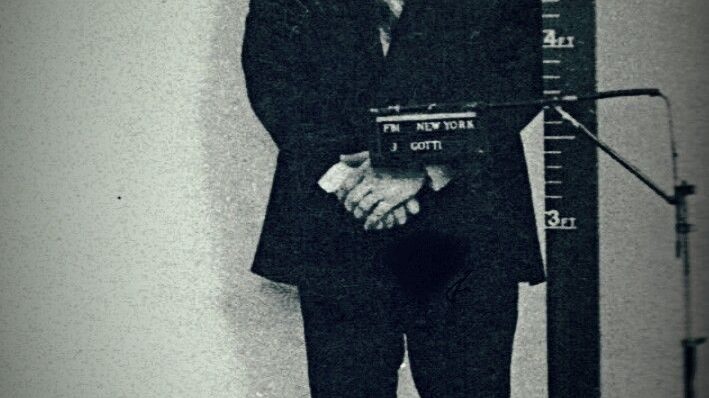
The Short Answer: Died in Prison in 2002
John Gotti died on June 10, 2002, at 61, in the U.S. Medical Center for Federal Prisoners in Springfield, Missouri. The cause was throat cancer. He had been serving a life sentence without parole since his 1992 racketeering conviction — the fall of the man once called the Teflon Don because criminal charges wouldn't stick.
Gotti was born October 27, 1940, in the Bronx, New York, one of 13 children of Italian immigrants. He rose through the Gambino crime family — then America's most powerful Mafia syndicate — and seized its throne by ordering the December 1985 assassination of boss Paul Castellano outside a Manhattan steakhouse.
For seven years he ruled as the most famous mobster in America: custom Brioni suits, a swaggering public persona, and three sensational acquittals that made him a tabloid folk hero. Then Sammy the Bull Gravano flipped, and it was over.
Who He Was: The Dapper Don
John Joseph Gotti Jr. grew up in poverty in the Bronx and East New York, running with street gangs before graduating to the Gambino family. By the 1970s he was a made man and a protégé of underboss Aniello Dellacroce. When Castellano took over the family and sidelined Dellacroce's crew, Gotti's resentment festered.
On December 16, 1985, Castellano and underboss Thomas Bilotti were gunned down outside Sparks Steak House in Manhattan — a hit Gotti ordered and watched from nearby. He took over the Gambino family days later, ruling what prosecutors called the most powerful crime syndicate in the United States.
Unlike the low-profile bosses before him, Gotti loved the spotlight: $2,000 suits, daily perp walks turned into fashion shows, and a grin for every camera. The media obliged, making him the face of the Mafia's last golden age.
What Happened: The Teflon Peels Off
Gotti beat the system three times — acquittals in 1986, 1987, and 1990 that earned him the Teflon Don nickname (prosecutors later admitted to jury tampering and witness intimidation). But the FBI's Gambino squad, led by agents who bugged his Ravenite Social Club headquarters, was building an airtight case.
The break came from within: underboss Salvatore Sammy the Bull Gravano, facing his own life sentence, agreed to testify. His testimony — detailing 19 murders he committed, many on Gotti's orders — was devastating. On April 2, 1992, Gotti was convicted on 13 counts including murder, conspiracy, and racketeering. The judge sentenced him to life without parole.
He entered the federal Supermax in Marion, Illinois, in near-total isolation — a stunning fall for a man who had held court on Mulberry Street. Appeals failed. In 1998, throat cancer was diagnosed; by 2002, he was transferred to the prison hospital in Springfield, where he died.
The Family: Victoria, Five Kids, and Junior
Gotti married Victoria DiGiorgio in 1962, when he was 21. They had five children: Angela, Victoria, John Jr., Frank, and Peter. Twelve-year-old Frank died in 1980 after being hit by a car — a tragedy that darkened the family. (The neighbor responsible later disappeared; Gotti was long suspected but never charged.)
Son John Gotti Jr. — Junior — took over the family after his father's imprisonment, then quit the mob life in the late 1990s, served prison time, and became a tabloid fixture insisting he was out. Daughter Victoria Gotti became a reality TV personality (Growing Up Gotti). Wife Victoria stood by John Sr. until his death.
The Gotti name remains synonymous with the Mafia's pop-culture peak — and with its end. No boss since has matched his fame, partly because the FBI made sure of it.
The Legacy: End of an Era
Gotti's conviction marked the beginning of the end for the American Mafia's golden age. The RICO statute, informants, and electronic surveillance dismantled the Five Families' power through the 1990s and 2000s. The Teflon Don's fall proved no one was untouchable.
Culturally, he is immortal: films, documentaries, and endless true-crime retellings. His 2002 funeral drew hundreds of mourners and a massive police presence — the last great mob spectacle.
He was buried on Long Island beside son Frank. The Brioni suits are gone; the legend — part monster, part folk hero — endures.
The Trials That Made the Legend
Gotti's three acquittals were courtroom theater. The 1986 trial — assault charges from a Queens bar fight — ended with witness intimidation so blatant the judge cited it. The 1987 federal racketeering trial collapsed when juror George Pape took a $60,000 bribe (he later served prison time for it). The 1990 state murder trial ended in acquittal amid more tampering allegations.
Each victory made Gotti bolder and more visible: he held court outside the Ravenite Social Club on Mulberry Street, trailed by admirers and FBI cameras alike. The tabloids loved him; law enforcement loathed him. The FBI's Gambino squad responded by planting bugs in the Ravenite's back apartment — capturing hours of Gotti discussing murders in startlingly frank terms.
The tapes, plus Gravano's testimony, made the 1992 trial unwinnable. The jury deliberated just 13 hours. When the guilty verdicts were read on April 2, 1992, the Teflon era ended — and the modern RICO playbook for dismantling the Mafia was complete.
Where Are They Now: The Gotti Family
Victoria DiGiorgio Gotti, John's widow, has lived privately since his death. John Jr. completed his sentences and maintains he left the life; he has written and spoken about the family's story. Victoria Gotti parlayed the name into TV and books. Peter Gotti, John's brother, also served time as a Gambino boss and died in 2021.
The Gambino family itself persists in diminished form — a shadow of the empire John Gotti ruled. The era of the celebrity don died with him in that Missouri prison hospital.
Pop Culture Afterlife
Gotti's story became an industry: the 1996 HBO film Gotti with Armand Assante (who won an Emmy), the 2018 John Travolta film, countless documentaries, and a permanent true-crime footprint. His trial suits, his swagger, his downfall — all endlessly retold.
The Gotti name remains a brand: Junior's books and interviews, Victoria's reality shows, the endless Mulberry Street mythology. No American mobster is more famous — or more mythologized.
He died in a prison hospital in 2002, but the Teflon Don never really left. Every mob movie since owes him royalties in spirit.
Frequently asked questions
What happened to John Gotti?
John Gotti died in federal prison on June 10, 2002, at 61, of throat cancer. The Gambino boss had been serving life without parole since his 1992 racketeering conviction.
Why was John Gotti called the Teflon Don?
He earned the nickname after three acquittals (1986, 1987, 1990) — criminal charges wouldn't stick, partly due to jury tampering and witness intimidation.
How did John Gotti become boss?
He ordered the December 1985 murder of Gambino boss Paul Castellano outside Sparks Steak House in Manhattan, then took over the family.
Who betrayed John Gotti?
Underboss Salvatore Sammy the Bull Gravano flipped and testified against Gotti in 1992, detailing murders committed on Gotti's orders. The testimony secured the conviction.
Did John Gotti have children?
Yes, five with wife Victoria DiGiorgio: Angela, Victoria, John Jr., Frank (died 1980 at 12), and Peter.
Where did John Gotti die?
He died at the U.S. Medical Center for Federal Prisoners in Springfield, Missouri, while serving life at the federal Supermax.
What happened to John Gotti Jr.?
John Gotti Jr. took over the family, later quit the mob life, served prison time, and maintains he is out — becoming a media figure in his own right.
Key Takeaways
Here are the essential facts covered in this article:
- John Gotti died in federal prison on June 10, 2002, at 61, of throat cancer.
- He earned the nickname after three acquittals (1986, 1987, 1990) — criminal charges wouldn't stick, partly due to jury tampering and witness intimidation..
- He ordered the December 1985 murder of Gambino boss Paul Castellano outside Sparks Steak House in Manhattan, then took over the family..
- Underboss Salvatore Sammy the Bull Gravano flipped and testified against Gotti in 1992, detailing murders committed on Gotti's orders.
Sources
- Wikipedia - John GottiWikipedia
- FBI - Gambino investigationFBI
- Britannica - John GottiBritannica