What Happened to Jack Benny, Forever 39?
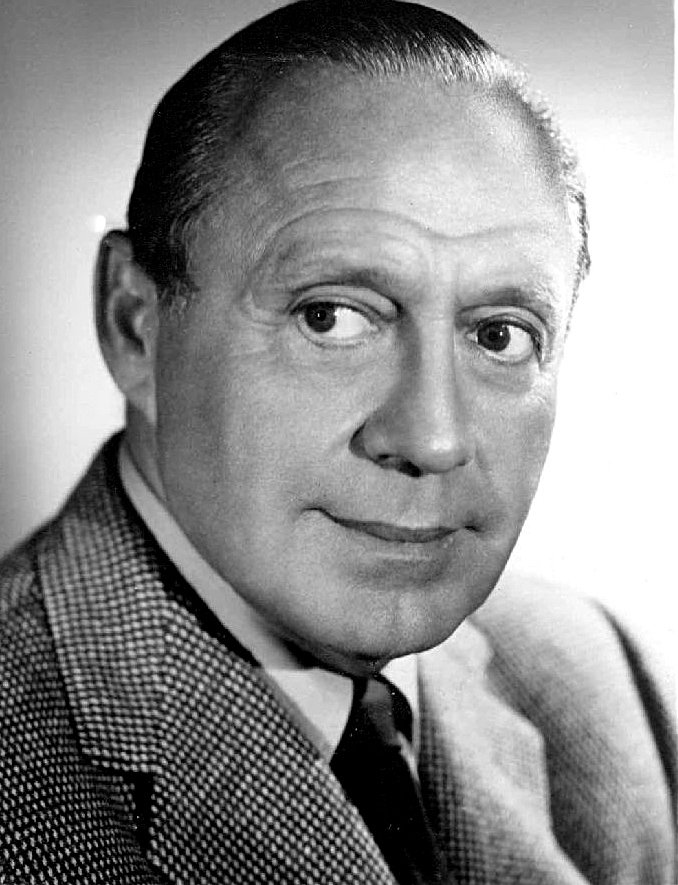
Benjamin Kubelsky of Waukegan
Jack Benny was born Benjamin Kubelsky on February 14, 1894, in Chicago, Illinois, and he grew up in Waukegan, Illinois, and he learned the violin, and he played it in vaudeville, and he was, from the very start, a modest success, and a hard worker, and he served in the United States Navy in the First World War, entertaining the troops with his violin, and he came home, and he went back to vaudeville, and he discovered, in the end, that he was funnier talking than he was playing, and that the audience laughed harder at his pauses than at his playing, and he became, in the end, a comedian, and the comedian became, in the end, Jack Benny, and the name, in the end, became one of the most famous in America.
He was invited onto Ed Sullivan's radio programme on March 29, 1932, and the appearance launched a radio career that ran for more than twenty years, and he went from a small-time vaudeville performer to a radio host, and to a movie man, and to a USO performer, and to a television star, and to a stand-up comedian, and he did it, in the end, by being himself, and by being patient, and by letting the joke come to him, and by trusting the pause, and the look, and the silence, and he was, in the end, the master of the pause, and the master of the look, and the master of doing nothing, and making it funny.
Radio: The Jack Benny Program
The Jack Benny Program began on radio in 1932, and it ran on NBC from 1932 through 1948, and then on CBS from 1949 through 1955, and the final radio show aired on May 22, 1955, twenty-three years after his debut, and the programme was, in the end, one of the most popular comedies in the history of American radio, and it starred a cast that included his wife Mary Livingstone, and Eddie Anderson as Rochester, and Phil Harris, and Dennis Day, and the show was, in the end, a family, and the family was, in the end, the show, and the audience, in the end, tuned in every week to hear the same people, and the same jokes, and the same pauses, and they laughed, every week, for twenty-three years.
Benny's character was a vain, cheap, self-important miser who claimed to be 39 years old, regardless of his actual age, and who played the violin badly, and who hoarded his money, and who was, in the end, the butt of every joke, and the audience loved him for it, because he played the fool so well, and because he never broke character, and because he let the others get the laughs, and the radio programmes, popular from the 1930s to the 1970s, were a major influence on the sitcom genre, and every sitcom that followed owed something to Jack Benny, and to the idea that a comedy could be about a family of regulars, and about the same jokes, told better, every week.
Television and the Forever 39 Joke
Benny moved to television in 1950, starring in his own series from that year until 1965, on CBS from 1950 to 1964, and on NBC from 1964 to 1965, and he made only four television shows in his first season, and by 1954 he was making twenty a season, and by 1960 he was making thirty-nine, and he was, in the end, as popular on television as he had been on radio, and he won the Golden Globe for Best TV Show in 1958, and he earned three stars on the Hollywood Walk of Fame, for radio, and for television, and for film, and he was inducted into the Television Hall of Fame, and into the Radio Hall of Fame in 1989, after his death, and he was, in the end, a star in every medium, and a man who could do everything, and who did, in the end, do everything.
The forever 39 joke was, in the end, the most famous running gag in American comedy, because Benny, who was born in 1894, claimed to be 39 for forty years, and the audience knew it, and he knew they knew it, and the joke, in the end, was that everyone was in on it, and that no one minded, and that the number 39 became, in the end, a part of his name, and a part of his legend, and when he died at 80, the obituaries said, in the end, that he was 39, and that he would always be 39, and that the joke, in the end, had outlived the man, and that the man, in the end, had outlived the joke, and that both, in the end, were Jack Benny.
To Be or Not to Be and the Films
Benny's film career was smaller than his radio and television careers, but it included some fine work, among it The Big Broadcast of 1937, and Artists and Models, and To Be or Not to Be in 1942, Ernst Lubitsch's comedy about actors in occupied Poland, in which Benny played a ham actor, and the film was, in the end, one of the great comedies of the war years, and one of the bravest, and Benny was, in the end, superb in it, and he followed it with The Horn Blows at Midnight in 1945, a fantasy that flopped, and that he joked about for the rest of his life, and he appeared on USO tours during the Second World War, entertaining the troops, and he was, in the end, a patriot, and a professional, and a man who never stopped working.
He made one of his final television appearances on January 23, 1974, as a guest on The Tonight Show Starring Johnny Carson, recreating classic radio skits with Mel Blanc, and he made his last appearance on The Tonight Show on August 21, 1974, with Rich Little as guest host, still expecting to star in the film version of Neil Simon's The Sunshine Boys, and he made several appearances on the Dean Martin Celebrity Roast in his final eighteen months, roasting Ronald Reagan, and Johnny Carson, and Bob Hope, and Lucille Ball, and being roasted himself in February 1974, and the Lucille Ball roast, his last public performance, aired on February 7, 1975, several weeks after his death, and he was, in the end, working until the very end, and laughing until the very end.
Mary Livingstone and Joan
Benny was married once, to Mary Livingstone, born Sadye Marks, whom he married in 1927, and who was his co-star on radio and television, and his partner in life, and the marriage lasted forty-seven years, until his death in 1974, and they adopted a daughter, Joan, born in 1934, and Joan wrote, with her father, the memoir Sunday Nights at Seven, published in 1990, after his death, and the family was, in the end, a close one, and a loving one, and Mary, in the end, was the woman who made it all work, and who stood beside him, on stage, and off it, for nearly half a century, and who was, in the end, the love of his life, and the reason he kept going.
Benny's will arranged for a single long-stemmed red rose to be delivered to his widow every day for the rest of her life, and the roses began the day after he died, and they came, every day, for eight and a half years, until Mary died on June 30, 1983, and the gesture was, in the end, the most famous love story in Hollywood, and the most romantic, and the most Jack Benny, because it was quiet, and it was steady, and it was, in the end, a joke that was not a joke, and a promise that was kept, every day, for eight and a half years, and Mary, in the end, received more than three thousand roses, and she kept them all, in the end, in her heart.
The Dallas Cancellation and the Last Weeks
In October 1974 Benny cancelled a performance in Dallas after suffering a dizzy spell, coupled with numbness in his arms, and despite a battery of tests, his ailment could not be determined, and when he complained of stomach pains in early December, a first test showed nothing, but a subsequent examination showed that he had inoperable pancreatic cancer, and one source, the Jewish Virtual Library, calls it stomach cancer, and the majority record gives pancreatic cancer, and this article follows the majority, and notes the variant, and Benny went into a coma at home on December 22, 1974, and while in a coma he was visited by close friends, including George Burns, and Bob Hope, and Frank Sinatra, and Johnny Carson, and John Rowles, and the then Governor Ronald Reagan, and he died on December 26, 1974, at age 80.
His funeral at Hillside Memorial Park Cemetery in Culver City, California, on December 29, 1974, had 1,800 attendees, and it was the biggest funeral for a Hollywood personality since Harry Cohn in 1958, and George Burns, his best friend for more than fifty years, attempted to deliver a eulogy but broke down shortly after he began, and was unable to continue, and Bob Hope also delivered a eulogy, in which he said that Jack Benny's timing was all wrong, and that he left us much too soon, and Burns, who had taken Benny's place on a nightclub tour, ultimately replaced him in the film version of The Sunshine Boys as well, and won the Academy Award for Best Supporting Actor for the performance, and Benny was interred in a crypt at Hillside Memorial Park Cemetery, and Mary was buried beside him when she died in 1983.
What Happened to Jack Benny, in the End
So what happened to Jack Benny? He was born Benjamin Kubelsky in Chicago in 1894, he grew up in Waukegan, he served in the Navy in the First World War, he was invited onto Ed Sullivan's radio programme on March 29, 1932, he hosted The Jack Benny Program on radio from 1932 to 1955, he moved to television in 1950, he starred in To Be or Not to Be in 1942, he won the Golden Globe for Best TV Show in 1958, he married Mary Livingstone in 1927, he adopted his daughter Joan, he appeared on The Tonight Show on January 23, 1974, he cancelled a Dallas performance in October 1974, he was diagnosed with pancreatic cancer in early December 1974, he went into a coma on December 22, 1974, and he died on December 26, 1974, at 80, of pancreatic cancer, at his home in Bel Air, Los Angeles.
He was buried at Hillside Memorial Park Cemetery in Culver City, California, and he is, still, the man who was forever 39, and the master of the pause, and the star of The Jack Benny Program, and the husband of Mary Livingstone for forty-seven years, and the father of Joan, and the best friend of George Burns for more than fifty years, and the man whose will sent his widow a single red rose every day for the rest of her life, and who was, in the end, eighty years old, and who had lived, in the end, a life that was, in the end, a joke, and a pause, and a look, and a silence, and who was, in the end, Jack Benny, and who is, still, Jack Benny, and who will be, in the end, forever 39.
Frequently asked questions
What happened to Jack Benny?
Jack Benny died on December 26, 1974, at 80, of pancreatic cancer, at his home in Bel Air, Los Angeles. He had gone into a coma at home on December 22, 1974. His funeral on December 29 drew 1,800 people, and he was buried at Hillside Memorial Park Cemetery in Culver City, California.
Why was Jack Benny forever 39?
It was his most famous running gag. His character on radio and television, a vain miser, claimed to be 39 years old regardless of his actual age, and Benny kept the joke going for about 40 years. When he died at 80, the obituaries still called him 39.
How long did The Jack Benny Program run?
On radio from 1932 to 1955, on NBC from 1932 through 1948 and then on CBS from 1949 through 1955, with the final radio show on May 22, 1955. On television it ran from 1950 to 1965, on CBS from 1950 to 1964 and on NBC from 1964 to 1965.
Was Jack Benny married?
Once, to Mary Livingstone, born Sadye Marks, whom he married in 1927. She was his co-star on radio and television. They adopted a daughter, Joan, born in 1934. The marriage lasted 47 years, until his death in 1974.
What happened with The Sunshine Boys?
Benny was preparing to star in the film version of Neil Simon's The Sunshine Boys when his health failed in 1974. He asked his best friend George Burns to take his place, first on a nightclub tour and then in the film. Burns won the Academy Award for Best Supporting Actor for the role.
Did Jack Benny die of pancreatic cancer or stomach cancer?
Pancreatic cancer, according to the majority record, including EN Wikipedia and contemporary reports. One source, the Jewish Virtual Library, calls it stomach cancer. This article follows the majority and notes the variant.
What was the red rose story?
Benny's will arranged for a single long-stemmed red rose to be delivered to his widow Mary Livingstone every day for the rest of her life. The roses began the day after he died and continued for eight and a half years, until Mary died on June 30, 1983.
Who spoke at Jack Benny's funeral?
His best friend of more than 50 years, George Burns, attempted to deliver a eulogy but broke down shortly after he began and could not continue. Bob Hope also spoke, saying Benny's timing was all wrong and that he left us much too soon.
Sources
- EN WikipediaBirth, Waukegan, Navy, radio 1932-1955, television 1950-1965, Sunshine Boys, pancreatic cancer, death December 26 1974
- American Heritage CenterEd Sullivan radio debut March 29 1932, radio NBC 1932-1948 and CBS 1949-1955, USO tours, pancreatic cancer, rose per will
- Jewish Virtual LibraryBirth February 14 1894, Waukegan, television 1950-1965, wife Mary Livingstone, stomach cancer variant, death December 26 1974