What Happened to Isabel Sanford, Weezy?
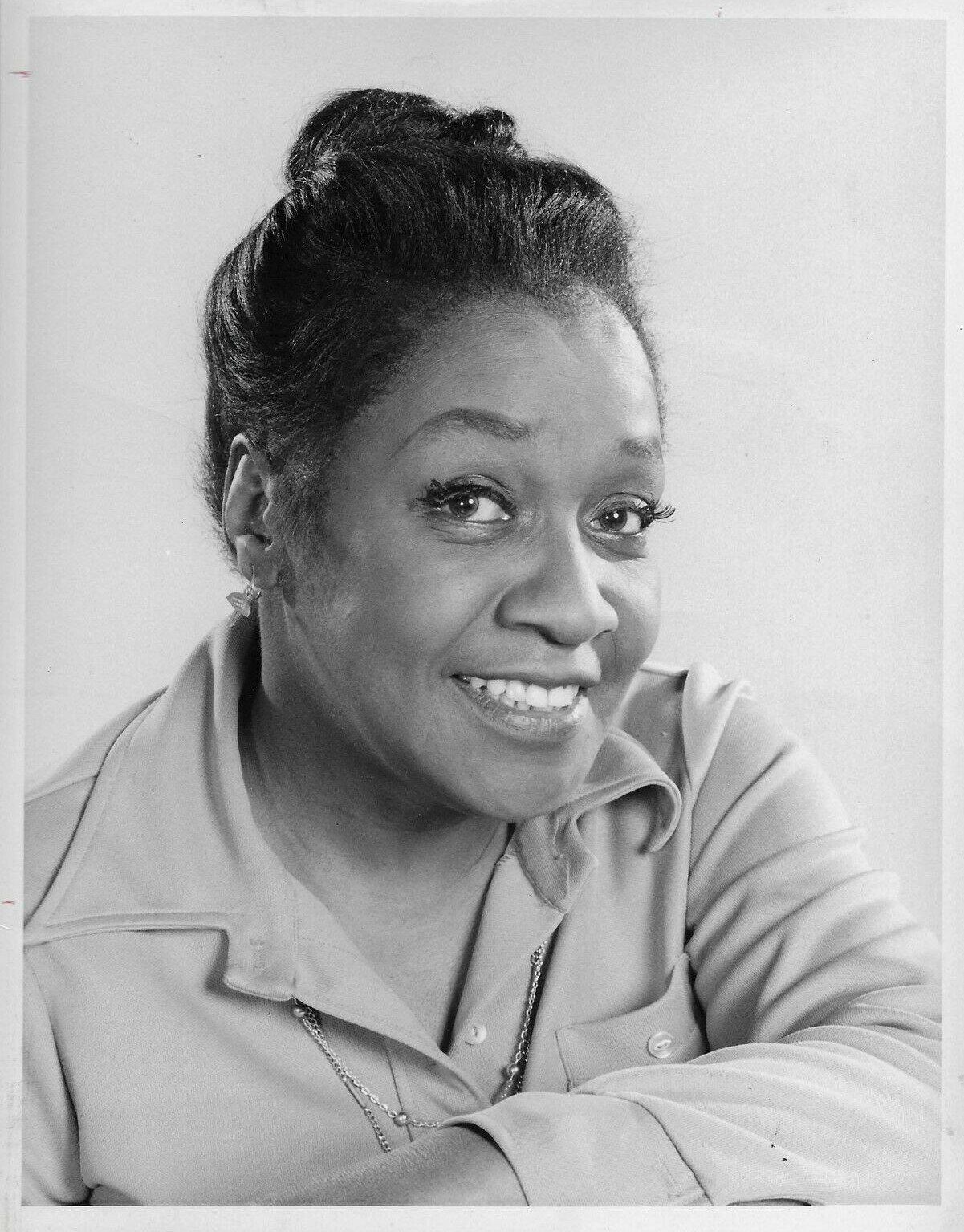
A Harlem Girl With a Stage Dream
Eloise Gwendolyn Sanford was born on August 29, 1917, in Harlem, New York City, the daughter of James Edward Sanford and Josephine Perry Sanford, and she grew up in a neighborhood that was, in the 1920s and 1930s, the center of Black cultural life in America, and she wanted, from an early age, to be on the stage. She left home young to pursue acting, against her mother's wishes, and she worked her way through the Black theater of the era, in community productions and touring companies, learning the craft the hard way, in front of audiences who did not forgive a bad performance, and she was, by the 1960s, a respected stage actress with a voice that could fill a theater and a comic timing that could stop a show. In 1965 she appeared in the original Broadway cast of James Baldwin's The Amen Corner, a credit that put her on the map, and that showed directors what she could do.
Her film breakthrough came in 1967, when she played a small but memorable role in Guess Who's Coming to Dinner, the Sidney Poitier and Katharine Hepburn film about an interracial engagement, a picture that was, at the time, one of the most talked-about movies in America, and that gave Sanford her first national exposure. She was 50, she had been acting for decades, and she was, by every account, ready for the break that was coming, even if she did not know what form it would take. The break came four years later, in the form of a new sitcom about a bigoted dockworker in Queens, and a neighbor who would not take his nonsense, and a character who would, in time, become one of the most famous wives in television history.
Louise Jefferson Arrives, 1971
All in the Family premiered on CBS in 1971, and Sanford played Louise Jefferson, the wife of George Jefferson, the Black neighbor who lived next door to Archie Bunker, a woman who was warm, and funny, and sharp, and who gave as good as she got, in a show that was, at the time, the most controversial comedy on television. George, played by Sherman Hemsley, was loud, and ambitious, and endlessly funny, and Louise, who called him George and who everyone else called Weezy, was the woman who kept him honest, who told him when he was wrong, and who loved him anyway, and Sanford played her with a husky voice, a withering look, and a timing that made every line land. She played Louise on All in the Family from 1971 to 1975, and she was so good, and the Jeffersons were so popular, that Norman Lear decided to give them their own show.
The Jeffersons premiered on January 18, 1975, and it was, from the first episode, a hit, and a landmark: the first television sitcom to feature an upwardly mobile African American family, a Black businessman and his wife who had made it, who had moved on up, as the theme song said, to a deluxe apartment in the sky, and who were funny, and flawed, and entirely themselves. Sanford was the heart of the show, the woman who held the family together, who sparred with George, who befriended the neighbors, who kept the whole enterprise human, and she played her for eleven seasons, from 1975 to 1985, in 253 episodes, a run that made her one of the most familiar faces in America, and that ended on July 2, 1985, when the show was cancelled, without a proper farewell, a slight that fans have never quite forgiven.
Eleven Seasons of The Jeffersons
The Jeffersons ran for eleven seasons, and it did so because Sanford and Hemsley were, together, one of the great comic partnerships in television history, a couple who bickered, and loved, and made each other laugh, in a way that felt real, even when the jokes were broad, and the plots were silly. Louise was the moral center of the show, the woman who told George when he was being a fool, who welcomed the neighbors, who kept the door open, and Sanford played her with a warmth that never tipped into sentimentality, and a toughness that never tipped into cruelty, and she was, by the end of the run, as famous as any actress on television, and as beloved. She was also, by then, in her sixties, and she had been working, in one form or another, for more than forty years, and she had never once been the star of her own show until this one, and she made the most of it.
The show also made history in a quieter way, by showing a Black family that was not poor, and not struggling, and not defined by its problems, but by its success, and its humor, and its humanity, and Sanford was at the center of that, as the wife who had come up with her husband, who had worked, and saved, and believed, and who was, in the end, the reason the Jeffersons had made it at all. The show ended in 1985, after 253 episodes, and Sanford, who was 67, did not stop working, but she never again had a role to match Louise Jefferson, and she never expected to, because Louise was, as she said herself, the role of a lifetime, and she had played it for fourteen years, on two shows, and she had played it better than anyone else could have.
The Emmy That Made History
In 1981 Sanford won the Primetime Emmy Award for Outstanding Lead Actress in a Comedy Series, for her work as Louise Jefferson in the seventh season of The Jeffersons, for the episode And the Doorknobs Shined Like Diamonds, and the win made history twice over: she was the first Black actress ever to win in that category, and only the second Black actress to win any Primetime Emmy Award at all, after Gail Fisher, who had won for Mannix in 1970. She was 64, she had been nominated before, and she had been, by every account, overdue, and the win was greeted, in the business, as both a triumph and a rebuke, because it had taken television thirty-three years to give a Black woman the award for best actress in a comedy, and because Sanford had deserved it for years. She remained the only Black actress to win in the category until Quinta Brunson won for Abbott Elementary in the 2023-24 season, forty-two years later.
Profiles disagree on her nomination totals, and this article states the disagreement plainly: Encyclopedia.com counts five Emmy nominations, Biography.jrank counts six, and some fan profiles count seven, and her Golden Globe nominations are counted as five in some profiles and three in others, and the confusion is, in its way, a tribute to how long, and how consistently, she was in the running, year after year, for the biggest awards in television. What is not in dispute is the win itself, in 1981, for a performance that had been, for a decade, the best comic acting on television, and that had finally, at 64, been recognized, and what is also not in dispute is that she won two NAACP Image Awards, and that she was, by the time she died, one of the most honored actresses of her generation, and one of the most loved.
A Husband Lost Young, Three Children
Sanford was married once, to William Edward Richmond, in 1945, and the marriage lasted until his death in 1960, fifteen years that produced three children, a daughter and two sons, and that ended, far too early, with Sanford a widow at 42, raising three children on her own, while trying to build a career in a business that did not make it easy for a Black actress, or a single mother, or a woman in her forties. She did it anyway, and she did it by working, in the theater, in films, on television, and by being, by every account, a formidable mother, who raised her children to be proud, and to be independent, and to be, like her, unwilling to be pushed around. She never remarried, and she was survived, at her death, by her three children, and by seven grandchildren, and six great-grandchildren, a family that had watched her work, without stopping, for more than fifty years.
Her children, and her grandchildren, were the audience for her later years, and they were the reason she kept working, and the reason she kept showing up, even when the roles got smaller, and the offers got fewer, because she had always worked, and she did not know how to stop, and she did not want to. She received her star on the Hollywood Walk of Fame in January 2004, six months before she died, a recognition that came late, and that she accepted with the grace of a woman who had been famous for thirty years and who had never once taken it for granted, and who knew, better than anyone, how hard it had been to get there, and how much it meant to be recognized, at last, on the sidewalk where the stars are.
The Final Months at Cedars-Sinai
In September 2003 Sanford underwent preventive surgery on her carotid artery, an operation meant to keep her healthy, and her health declined after it, steadily, and visibly, and by the summer of 2004 she was in the hospital, at Cedars-Sinai Medical Center in Los Angeles, where she had been since July 4, and where she died on July 9, 2004, at 86, of natural causes, according to her publicist, Brad Lemack, who announced the death three days later. She was a month and a half short of her 87th birthday, and she had been, until the surgery, active, and funny, and working, and her death, when it came, was quiet, and peaceful, and surrounded, in the end, by the family she had raised, and the career she had built, and the character she had played for fourteen years.
Some profiles list her cause of death as cardiac arrest and heart disease, rather than the natural causes her publicist gave, and this article notes the difference, because the public record is, on this point, genuinely unclear, and because Sanford deserves an honest account, not a smoothed-over one. She was interred at Forest Lawn Memorial Park in Hollywood Hills, in Los Angeles, and a memorial tribute was held in August at the Academy of Television Arts and Sciences in North Hollywood, where the people who had worked with her, and loved her, gathered to remember a woman who had been, for more than thirty years, Weezy, and who had been, for all of them, something more: a pioneer, and a professional, and a friend.
What Happened to Isabel Sanford, in the End
So what happened to Isabel Sanford? She became Weezy, she became the first Black woman to win the Emmy for best actress in a comedy, she became the heart of The Jeffersons for eleven seasons and 253 episodes, and she died on July 9, 2004, at Cedars-Sinai Medical Center in Los Angeles, at 86, of natural causes, a month and a half short of her 87th birthday, after a preventive surgery that had, instead of keeping her healthy, begun the decline that ended her life. Her final television appearance had come five months earlier, in February 2004, when she voiced an animated version of herself on The Simpsons, in the episode Milhouse Doesn't Live Here Anymore, a farewell of sorts, and a fitting one, because she had always been funny, and she was funny to the end.
What remains is Louise Jefferson, still sparring with George in reruns, still telling him when he is wrong, still the woman who moved on up, and the Emmy, still the first, still the only one for forty-two years, and the star on the Walk of Fame, still there, in the sidewalk, where she received it in January 2004, six months before she died, and the example of a Harlem girl who left home to act, who was told no, who kept going, who became, at 64, the best actress in comedy on television, and who never once forgot where she came from, or who she was playing for.
Frequently asked questions
What happened to Isabel Sanford?
Isabel Sanford died on July 9, 2004, at Cedars-Sinai Medical Center in Los Angeles at 86, of natural causes. She had played Louise Weezy Jefferson on All in the Family and The Jeffersons, and she won the Primetime Emmy for Outstanding Lead Actress in a Comedy in 1981.
Who did Isabel Sanford play on The Jeffersons?
Louise Weezy Jefferson, the wife of George Jefferson, played by Sherman Hemsley. She played the role on All in the Family from 1971 to 1975 and on The Jeffersons from 1975 to 1985, in 253 episodes over eleven seasons.
Why was Isabel Sanford Emmy win historic?
She was the first Black actress ever to win the Primetime Emmy for Outstanding Lead Actress in a Comedy Series, in 1981, and only the second Black actress to win any Primetime Emmy, after Gail Fisher. She remained the only Black winner in the category until Quinta Brunson in 2023-24.
How many Emmy nominations did Isabel Sanford receive?
Profiles disagree: Encyclopedia.com counts five Emmy nominations, Biography.jrank counts six, and some fan profiles count seven. Her Golden Globe nominations are counted as five in some profiles and three in others.
Who was Isabel Sanford married to?
She was married once, to William Edward Richmond, from 1945 until his death in 1960. They had three children: a daughter and two sons. She never remarried.
What was Isabel Sanford last TV role?
A voice appearance as an animated version of herself on The Simpsons in February 2004, in the episode Milhouse Doesn't Live Here Anymore. She had received her Hollywood Walk of Fame star the month before.
What did Isabel Sanford die of?
Natural causes, according to her publicist, after her health declined following preventive carotid-artery surgery in September 2003. Some profiles list cardiac arrest and heart disease instead.
How old was Isabel Sanford when she died?
Eighty-six. She was born August 29, 1917, in Harlem, New York City, and died July 9, 2004, in Los Angeles, a month and a half short of her 87th birthday.
Sources
- EN WikipediaBirth, Louise Jefferson role, 253 episodes, Emmy 1981, marriage, children, death
- PlaybillDeath July 9, 2004, natural causes, Cedars-Sinai, first Black woman to win Lead Actress Emmy
- Television AcademyDeath July 9, 2004, age 86, natural causes, first Black woman to win the Emmy