What Happened to Donald O'Connor, Dancer?
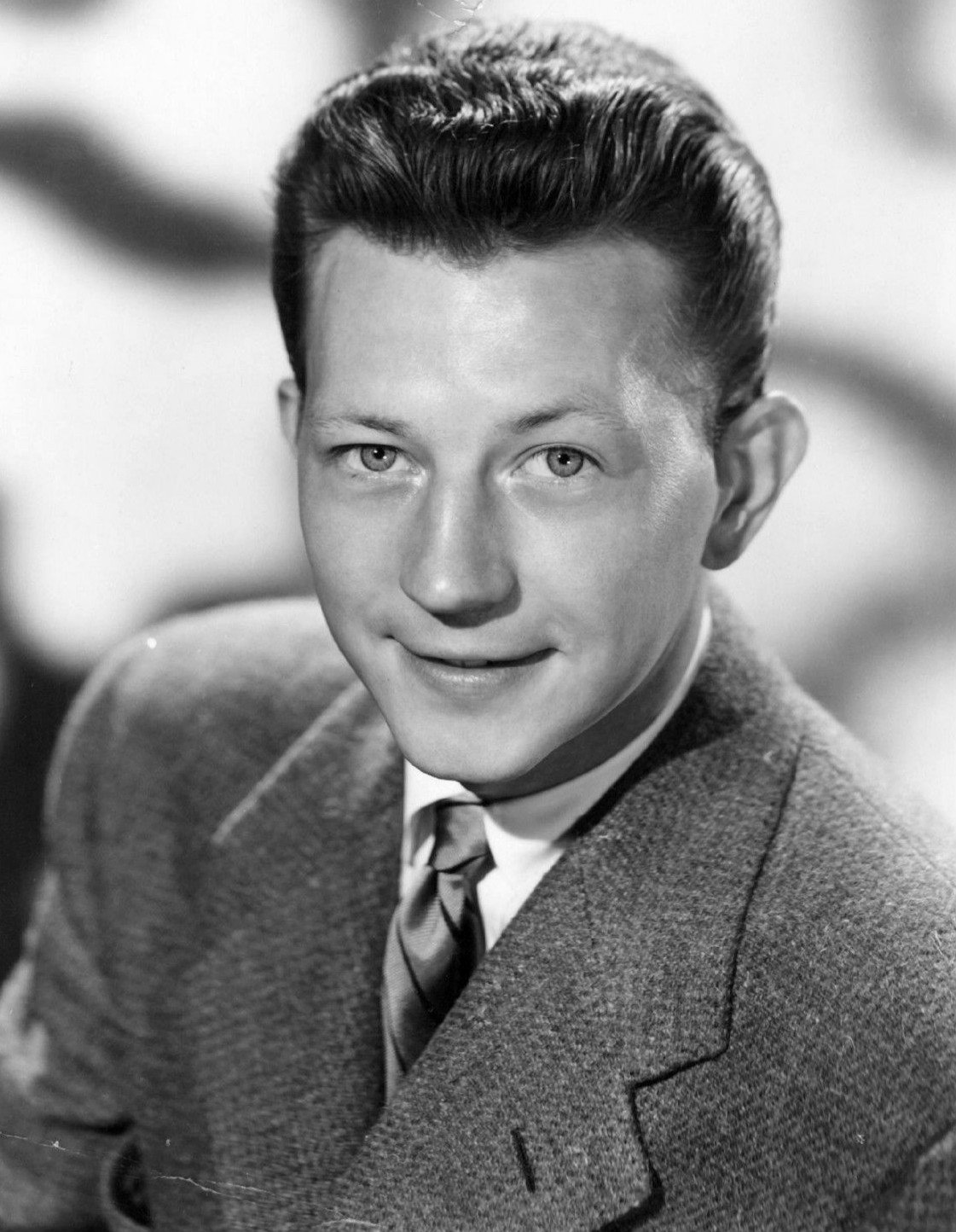
A Vaudeville Baby from Chicago
Donald O'Connor was born Donald David Dixon Ronald O'Connor on August 28, 1925, in Chicago, Illinois, into a family of circus and vaudeville performers, and he was, from the very start, a working child, because his parents put him on the stage almost as soon as he could walk, and he danced, and he sang, and he did acrobatics, and he learned, night after night, how to hold an audience, and how to land a joke, and how to make a crowd love him, and he was discovered at the age of 11, and he made his film debut in Sing, You Sinners in 1938, and he was, by then, already a veteran performer, with a decade of stage work behind him, and a body that could do things no other dancer in Hollywood could do.
He came to fame in a series of films in which he co-starred, in succession, with Gloria Jean, and with Peggy Ryan, and then with Francis the Talking Mule, and he was, in the end, the boyish, grinning, tireless dancer of the Universal musicals of the 1940s, and he served in the Army during the Second World War, and the drinking he began during his service stayed with him, and grew worse, and it would, in the end, nearly ruin him, and it would, in the end, take him thirty years to beat it, and he beat it, and he came back, and the comeback was, in the end, as impressive as the rise had been.
Singin in the Rain and Make Em Laugh
O'Connor's most famous performance came in 1952, when he starred alongside Gene Kelly and Debbie Reynolds in Singin in the Rain, as Cosmo Brown, the piano player and best friend, and his number, Make Em Laugh, is one of the most famous dance routines ever filmed, a four-minute explosion of flips, and pratfalls, and backflips off a wall, and it was so physically demanding that he had to rest in the hospital for a few days afterward, and the film, which was a modest success on release, became, in the end, one of the greatest musicals ever made, and O'Connor's number became, in the end, the scene everyone remembers, and the scene every dancer since has tried to match, and no one has.
He won a Golden Globe Award for Best Performance by an Actor in a Comedy or Musical for the role, the only major film award of his career, and he was never nominated for an Oscar, and he never won one, and he did not, in the end, seem to mind, because the work was the reward, and the dance was the reward, and the audience's laughter was the reward, and he went on, after Singin in the Rain, to star in Call Me Madam in 1953, and in the Francis films, and on television, and on the stage, and he was, in the end, one of the best dancers in the heyday of the movie musical, and one of the most beloved, and one of the most durable, and the film that made him immortal was, in the end, the one in which he played second fiddle to Gene Kelly, and stole the picture anyway.
Francis the Talking Mule and the 1950s
Between 1950 and 1955 O'Connor starred in six Francis the Talking Mule films, playing the soldier Peter Stirling opposite a mule voiced by Chill Wills, and the series was a huge commercial success, and it made him a star, and it also typecast him, and he turned down a seventh Francis film in 1956, a role that went to Mickey Rooney, and he moved on, to nightclubs, and to Las Vegas, and to television, and he hosted the Academy Awards in 1954, the 26th ceremony, with Fredric March, and the hosting earned him two Primetime Emmy nominations, and he earned two stars on the Hollywood Walk of Fame, one for film and one for television, and he was, in the end, a star in every medium, and a man who could do everything, and who did, in the end, do everything.
The 1950s were his peak years, and they were also the years the drinking took hold, and the films got fewer, and the parts got smaller, and by the end of the decade he was working mostly in live performance, in concerts, and in nightclubs, and in theatre, often with friends from the movies, and he kept working, and he kept dancing, and he kept smiling, and the audience, in the end, never stopped loving him, and the dancers who came after him, from Fred Astaire to Gene Kelly to the kids on television, all knew what he could do, and all knew, in the end, that he was one of the greats, and that the greats do not come along very often, and that he was one of them.
The Drinking Years and the Comeback
O'Connor's drinking, which had begun during his Army service, reached a crisis in the 1970s, and his wife and children left him in 1978 because of it, and he was hospitalized for alcoholism later that year, and he spent three months in treatment, and he came out, and he stopped drinking, and he reconciled with his wife and children in 1979, and he remained a recovering alcoholic for the rest of his life, and the comeback that followed was a real one, because he returned to the stage, and he appeared in the Broadway musical Bring Back Birdie in 1981, and as Cap'n Andy in a revival of Show Boat in 1982, and he worked, in the end, steadily into old age, and he did it sober, and he did it well, and he did it, in the end, on his own terms.
He had a heart attack in the early 1970s, and he had quadruple bypass heart surgery in 1990, and he changed his diet, and he exercised, and he took his health seriously, and he kept performing, and he appeared in the Fabulous Palm Springs Follies, and he made public appearances well into 2003, and he was, in the end, a man who had beaten the bottle, and beaten the heart trouble, and beaten the years, and who had done it, in the end, by working, and by dancing, and by refusing to quit, and the last years were, in the end, good years, and he knew it, and he said so, and the people who saw him in those years remembered a man who was, in the end, happy, and at peace, and still, after everything, smiling.
Two Marriages and Four Children
O'Connor was married twice. His first wife was Gwendolyn Carter, whom he married on February 7, 1944, and with whom he had a daughter, Donna, born in 1945, and the marriage lasted ten years, and they divorced in 1954, and his second wife was Gloria Noble, whom he married in 1956, and with whom he had three children, Alicia, born in 1957, Donald, born in 1960, and Kevin, born in 1961, and the marriage lasted until his death in 2003, and Gloria survived him, and died in 2013 at 84, and the family, in the end, was the anchor of his life, and the reason he got sober, and the reason he kept working, and the reason he came back, and the children, in the end, were the ones who stayed, and the ones who remembered him, and the ones who carried his name.
His first marriage had collapsed under the weight of the drinking, and the career, and the years on the road, and his second marriage survived all of it, and survived the drinking, and the hospital, and the comeback, and the heart surgery, and the pneumonia, and it survived, in the end, because Gloria stayed, and because Donald stopped drinking, and because the two of them, in the end, chose each other, again and again, for forty-seven years, and the marriage was, in the end, the longest-running success of his life, longer than the Francis films, and longer than the Broadway runs, and longer than the television shows, and it was, in the end, the thing he was proudest of, and the thing that mattered most.
The Final Years: Bypass, Pneumonia, and Farewell
O'Connor's health failed gradually in his last years. He had undergone quadruple bypass surgery in 1990, and he nearly died from pleural pneumonia in January 1999, and he pulled through, and he returned to the stage, and he kept making public appearances, and his last feature film was the comedy Out to Sea in 1997, with Jack Lemmon and Walter Matthau, in which he played a dance host on a cruise ship, and he was still making public appearances well into 2003, at the Roger Ebert Overlooked Film Festival, and at the opening of the Judy Garland Museum, and he spent his final years in a retirement home in the San Fernando Valley, and his health, in the end, was fragile, and everyone who saw him knew it, and he knew it too.
He died of heart failure on September 27, 2003, at the age of 78, at the Motion Picture and Television Country House and Hospital in Woodland Hills, California, and some sources give his death location as Calabasas, where the retirement home stood, and this article follows the American National Biography and EN Wikipedia, which give Woodland Hills, and he was cremated, and his ashes were scattered at sea, and he was survived by his wife Gloria, and by his four children, Donna, Alicia, Donald, and Kevin, and by four grandchildren, and Debbie Reynolds, his co-star from Singin in the Rain, became, in the end, the sole survivor of the film's three leads, and the dance, in the end, went on without him, and the film, in the end, stayed, and the laughter, in the end, stayed too.
What Happened to Donald O'Connor, in the End
So what happened to Donald O'Connor? He was born in Chicago in 1925, he went on the stage as a child, he made his film debut in Sing, You Sinners in 1938, he served in the Army in the Second World War, he made six Francis the Talking Mule films from 1950 to 1955, he starred in Singin in the Rain in 1952, he won a Golden Globe for Make Em Laugh, he hosted the Academy Awards in 1954, he married Gwen Carter in 1944 and divorced her in 1954, he married Gloria Noble in 1956, he was hospitalized for alcoholism in 1978, he got sober in 1979, he returned to Broadway in Bring Back Birdie in 1981, he had quadruple bypass surgery in 1990, he nearly died of pneumonia in 1999, he made his last film, Out to Sea, in 1997, and he died on September 27, 2003, at 78, of heart failure, in Woodland Hills, California.
He was cremated, and his ashes were scattered at sea, and he is, still, the dancer of Make Em Laugh, and the star of Singin in the Rain, and the man with two stars on the Hollywood Walk of Fame, and the host of the 1954 Academy Awards, and the survivor of alcoholism and heart surgery, and the husband of Gloria Noble for forty-seven years, and the father of four, and the man who danced, in the end, better than almost anyone, and who did it, in the end, with a smile, and who was, in the end, seventy-eight years old, and who had lived, in the end, a life that was, in the end, a dance, and a comeback, and a farewell, all at once.
Frequently asked questions
What happened to Donald O'Connor?
Donald O'Connor died on September 27, 2003, at 78, of heart failure, at the Motion Picture and Television Country House and Hospital in Woodland Hills, California. He was cremated, and his ashes were scattered at sea. He was survived by his wife Gloria and his four children.
What was Donald O'Connor most famous for?
Make Em Laugh in Singin in the Rain (1952), his four-minute dance routine as Cosmo Brown, which was so physically demanding he had to rest in the hospital for a few days afterward. He won a Golden Globe for the role.
Did Donald O'Connor win an Oscar?
No. He was never nominated for a competitive Oscar and never won one. His major film award was the Golden Globe for Singin in the Rain. He hosted the Academy Awards in 1954 and earned two Primetime Emmy nominations for the hosting.
How many Francis the Talking Mule films did Donald O'Connor make?
Six, from 1950 to 1955, playing the soldier Peter Stirling opposite a mule voiced by Chill Wills. He turned down a seventh Francis film in 1956, and the role went to Mickey Rooney.
Was Donald O'Connor married twice?
Yes. Gwendolyn Carter (1944-1954), with whom he had a daughter, Donna, born in 1945; and Gloria Noble (1956 until his death in 2003), with whom he had three children, Alicia, Donald and Kevin.
Did Donald O'Connor struggle with alcoholism?
Yes. His drinking began during his Army service in the Second World War and reached a crisis in the 1970s. His wife and children left him in 1978, he spent three months in treatment that year, got sober, reconciled with his family in 1979, and stayed sober for the rest of his life.
What was Donald O'Connor's last film?
Out to Sea (1997), the Jack Lemmon and Walter Matthau comedy, in which he played a dance host on a cruise ship. He kept making public appearances well into 2003, including at the Roger Ebert Overlooked Film Festival.
Where did Donald O'Connor die?
At the Motion Picture and Television Country House and Hospital in Woodland Hills, California, on September 27, 2003, at 78. Some sources give Calabasas, where his retirement home stood; this article follows the American National Biography and EN Wikipedia, which give Woodland Hills.
Sources
- EN WikipediaBirth, vaudeville, Singin in the Rain, Francis films, marriages, alcoholism, bypass, death
- Encyclopedia.comAmerican National Biography: birth, death at Woodland Hills, alcoholism, bypass, cremation and ashes at sea
- New World EncyclopediaBirth, Singin in the Rain, marriages, death September 27 2003, age 78