What Happened to Dennis Weaver, TV Star?
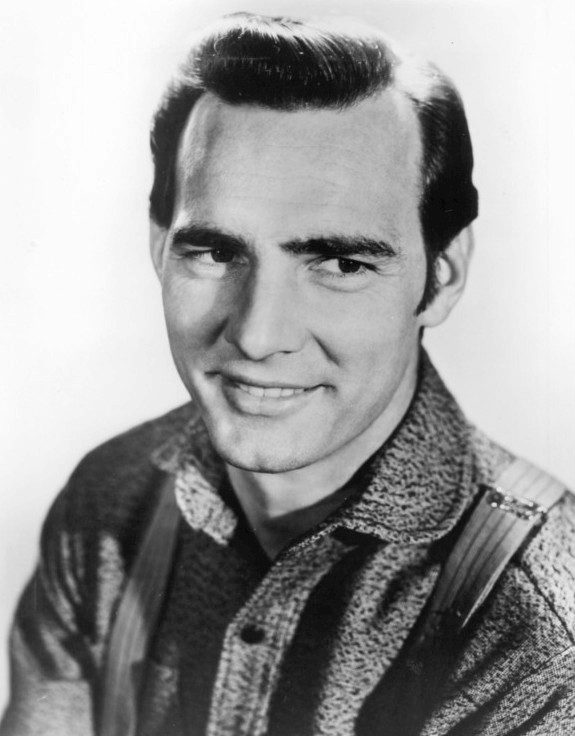
A Joplin Boy Who Delivered Flowers
Billy Dennis Weaver was born on June 4, 1924, in Joplin, Missouri, the son of an electrician, and he grew up a tall, slender Midwestern boy with a natural drawl, excelling in high school drama and athletics and going on to Joplin Junior College and the University of Oklahoma, where he was a track athlete who nearly qualified for the Olympic decathlon. He served in the Navy during the Second World War, and after the war he turned to acting in earnest, studying at the Actors Studio in New York and working on the stage, where his first Broadway role came as an understudy in Come Back, Little Sheba, a part he eventually took over in the national touring company, and where he also appeared in productions of A Streetcar Named Desire, learning the craft in the theater before Hollywood ever noticed him.
Hollywood noticed him slowly, because Weaver came west with stage training and a face that casting directors did not know what to do with, and in 1952 he signed a contract with Universal, where his rugged frame and distinctive accent landed him minor roles in westerns such as Horizons West, War Arrow, The Nebraskan and The Lawless Breed, and in bigger pictures including The Bridges at Toko-Ri and Orson Welles's Touch of Evil, in which he played the oddball motel night manager. He was, by his own account, a struggling actor in 1955, earning sixty dollars a week delivering flowers, when the call came that changed his life, and the call was for a new CBS television western called Gunsmoke, and the part was a deputy with a limp, and the pay was three hundred dollars a week, and he took it, and the taking of it made him famous.
Chester Goode and Nine Years on Gunsmoke
Weaver played Chester Goode, Marshal Matt Dillon's faithful deputy, on Gunsmoke from 1955 to 1964, nine seasons in all, and the character became one of the most loved figures in television history, a limping, loyal, good-hearted deputy whose comic sidekick energy balanced James Arness's stern marshal, and whose catchphrases and mannerisms entered the language of the American western. The show went on to become the highest-rated and longest-running live-action series in United States television history, running from 1955 to 1975, and Weaver's Chester was at the heart of its early success, and he won an Emmy Award in 1959 for the portrayal, the first major honor of his career, and the honor that confirmed what the audience already knew, which was that the deputy had stolen the show.
He left Gunsmoke in 1964, after nine years, because he wanted to avoid being typecast as Chester for the rest of his life, and the leaving was a risk, because the show was the biggest thing on television and the part was the steadiest work an actor could ask for, but Weaver was restless, and he wanted to play other men, and so he walked away from the deputy with the limp and went looking for the next character. The years immediately after Gunsmoke were uneven, with guest spots and a starring role in the family series Gentle Ben in 1966, about a boy and his pet bear, but the best work of his career was still ahead of him, and it came in the form of a New Mexico lawman lost in New York City.
Gentle Ben, Duel and the McCloud Years
In 1970 Weaver landed the title role in McCloud, one of three rotating programs in the NBC Mystery Movie lineup alongside Columbo and McMillan and Wife, playing Deputy Marshal Sam McCloud, a laconic, cowboy-hatted lawman from Taos, New Mexico, on temporary assignment in New York City, where his horseback-riding, sheepskin-jacketed western ways were constantly at odds with big-city crime fighting, and the contrast was the comedy and the charm of the show. Weaver called McCloud the most satisfying role of his career, and he played him until the series was canceled in 1977, earning two Emmy Award nominations along the way, and the role made him, for a second time, the definitive television lawman of his generation, a man who had now played two of the most famous deputies in the history of the medium.
The same period gave him his most famous film role, because in 1971 he starred in Duel, Steven Spielberg's television movie about a traveling salesman terrorized on a desert highway by a faceless truck driver, a thriller that announced Spielberg as a major talent and that remains one of the most admired television movies ever made. He also played the love interest to Debbie Reynolds in the chiller What's the Matter with Helen in 1971, and he kept working steadily through the seventies in series including Kentucky Jones, Emerald Point N.A.S., Stone and Buck James, and in films including Ten Wanted Men and Seven Angry Men, but by the early eighties his attention was turning elsewhere, toward the causes that would occupy the last twenty years of his life.
The Screen Actors Guild and the Activist Years
Weaver served as president of the Screen Actors Guild from 1973 to 1975, and the presidency was the public face of a private conviction, because he had become, by the seventies, a passionate activist for protecting the environment and eradicating world hunger, and he threw himself into the work with the same energy he had once given to acting. In 1983 he founded the distribution network Love Is Feeding Everyone, known as LIFE, which collected unused food from supermarkets and restaurants and delivered it to the hungry, and as its president he led an organization that fed one hundred and fifty thousand needy Los Angeles County residents each week, a figure that says more about the scale of his second career than any acting credit ever could.
In the early nineties he founded, with his wife Gerry, the Institute of Ecolonomics, a name that joined ecology and economics and that sought funding for environmental projects, and the institute was the institutional expression of a belief he had held for decades, which was that the way people lived on the land and the way they fed each other were the same question, and that an actor with a famous face had a duty to use it for something larger than himself. He was interviewed at length by the Television Academy Foundation's Archive of American Television in 2002, and the interview is a record of a man who had made his peace with fame and moved on to the work that mattered more to him.
The Earthship in Ridgway
The most famous symbol of Weaver's second life was his house, because in the late nineteen eighties he built a home in Ridgway, in southwestern Colorado, with the architect Michael Reynolds, out of recycled tires and cans, a rammed-earth structure known as an Earthship, powered by the sun and built to need almost nothing from the world outside it. It was a house that embodied everything he believed about living lightly on the land, and he lived in it for more than a decade, in the mountains he loved, far from Hollywood, and the house became almost as famous as the actor, a pilgrimage site for environmentalists and a standing rebuke to the idea that a television star had to live in Beverly Hills.
Ridgway suited him, because it was small and quiet and mountainous, and it let him live the life he had chosen, and the life he had chosen was the life of an activist and a family man, not the life of a celebrity, and the distinction mattered to him, and he kept it. He had married Gerry Stowell in 1945, and the marriage lasted sixty years, until his death, and they raised three sons, Rick, Robby and Rusty, and the sons and the grandchildren were the center of the Ridgway life, and the house in the mountains was the place where the family gathered, and where the actor who had played two famous deputies became, in the end, simply a man living in a house he had built from trash and sunlight.
Family and Final Roles
Weaver never stopped acting entirely, because the work was in him, and his last work was done on the ABC Family cable series Wildfire, where he played Henry Ritter, the father of Jean Ritter and the co-owner of Raintree Ranch, and the role was cut short by his death, and the cutting short was the end of a screen career that had run from the early fifties until just before his death in 2006, more than half a century of work. He was, by then, an elder statesman of television, a man whose two great roles were still in reruns and still finding new audiences, and who was remembered as fondly for the hunger charity and the solar house as for the deputy with the limp.
He is survived by his wife Gerry, his three sons Rick, Robby and Rusty, and three grandchildren, and the family was at the center of everything he did, from the sixty-year marriage to the Ridgway house to the charities he founded with his wife, and the charities and the house were, in the end, the family business, the work that the Weavers did together, and that outlived the actor. He was cremated, and his ashes were kept by the family, and the town of Ridgway, which had been his home for the last years of his life, remembered him as a neighbor first and a television star second, which was exactly how he wanted it.
What Happened to Dennis Weaver, in the End
So what happened to Dennis Weaver? He was born Billy Dennis Weaver in Joplin, Missouri, in 1924, the son of an electrician, and he served in the Navy in the Second World War, and he studied at the Actors Studio, and he was an understudy in Come Back, Little Sheba, and he signed with Universal in 1952, and he delivered flowers for sixty dollars a week, and he was offered three hundred dollars a week to play Chester Goode on Gunsmoke, and he played Chester for nine seasons and won an Emmy, and he starred in Gentle Ben, and he played David Mann in Duel, and he played Sam McCloud for seven years and called it the most satisfying role of his career, and he was president of the Screen Actors Guild, and he founded Love Is Feeding Everyone and the Institute of Ecolonomics, and he built an Earthship out of tires and cans in Ridgway, Colorado, and he was married to Gerry Stowell for sixty years, and he had three sons, and he died on February 24, 2006, at 81, at his home in Ridgway, of complications from cancer.
He died on the same day as Don Knotts, another beloved television comic of his generation, and the coincidence was noted in obituaries on both sides of the country, and the two men had never shared a screen, but they had shared an era, the era when television was young and the western and the sitcom ruled it, and when a deputy with a limp and a deputy with a single bullet could become national institutions. Weaver is remembered for both of his deputies, and for the hunger charity that fed one hundred and fifty thousand people a week, and for the solar house in the mountains, and for the sixty-year marriage, and he is, still, the actor who proved that a television star could walk away from the biggest show on television and build a second life that mattered more than the first.
Frequently asked questions
What happened to Dennis Weaver?
Dennis Weaver died at his home in Ridgway, Colorado, of complications from cancer. He had spent his final years living in a solar-powered house he built from recycled materials, and he remained active in environmental and hunger causes until near the end.
Who did Dennis Weaver play on Gunsmoke?
He played Deputy Chester Goode, Marshal Matt Dillon's limping, loyal deputy, for nine seasons. The role won him an Emmy Award and made him one of the most loved figures in television westerns.
What was McCloud?
McCloud was a police drama in which Weaver played Sam McCloud, a New Mexico deputy marshal on assignment in New York City. Weaver called it the most satisfying role of his career.
Did Dennis Weaver win an Emmy Award?
Yes, he won an Emmy for playing Chester Goode on Gunsmoke, and he earned two more Emmy nominations for his work as Sam McCloud.
What was Dennis Weaver's Earthship home?
It was a solar-powered house in Ridgway, Colorado, built with the architect Michael Reynolds from recycled tires and cans. Weaver lived there for more than a decade.
Was Dennis Weaver an activist?
Yes, he was president of the Screen Actors Guild and founded the hunger charity Love Is Feeding Everyone, which fed needy people across Los Angeles County every week. He also co-founded the Institute of Ecolonomics with his wife.
What was Dennis Weaver's most famous film role?
He starred as the traveling salesman David Mann in Duel, the television movie directed by a young Steven Spielberg, and he played the motel night manager in Orson Welles's Touch of Evil.
Did Dennis Weaver have a family?
Yes, he was married to Gerry Stowell for six decades, and they had three sons, Rick, Robby and Rusty, plus grandchildren.
Sources
- EN WikipediaBorn June 4 1924 Joplin, died February 24 2006 Ridgway age 81, Chester Goode 1955-1964, McCloud 1970-1977, SAG president 1973-1975, Wildfire last role
- Legacy.comAP obituary: died of complications from cancer at home in Ridgway, 60 dollars a week delivering flowers, 300 dollars a week Gunsmoke offer, LIFE fed 150,000 a week, survived by wife and three sons
- Turner Classic MoviesUniversal contract 1952, Gunsmoke nine years, Emmy 1959, Touch of Evil, McCloud until 1977, Institute of Ecolonomics, wife of 60 years