What Happened to Davy Jones, Monkee?
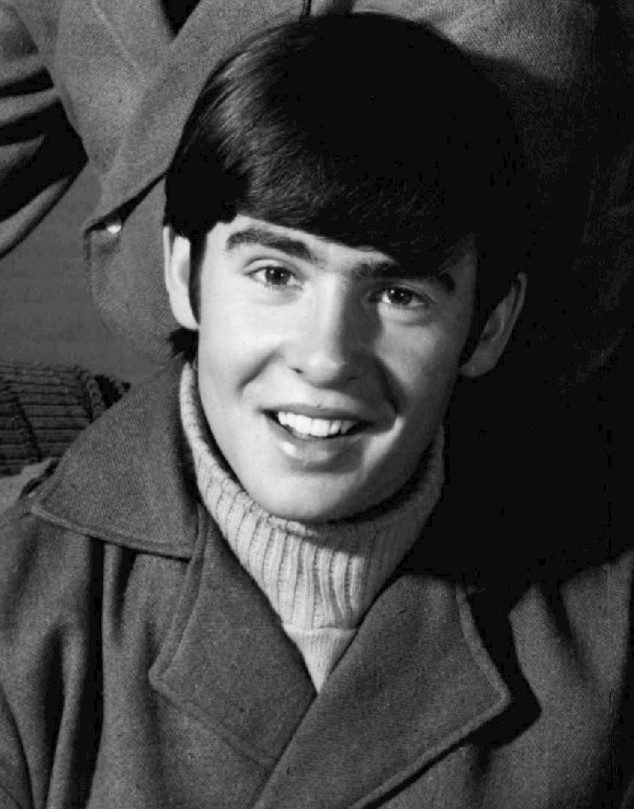
The Manchester Boy Who Wanted to Race Horses
David Thomas Jones was born on December 30, 1945, in Manchester, England, and he grew up with two ambitions that seemed to pull in opposite directions: the stage and the racetrack. As a boy he trained as a jockey's apprentice, and he loved horses with a seriousness that would stay with him for the rest of his life, but he also had a performer's face and a singer's voice, and the stage found him first. He was cast as the Artful Dodger in the London and Broadway productions of Oliver!, Lionel Bart's musical based on Charles Dickens, and his performance earned him a Tony Award nomination, a remarkable distinction for a teenager. The boy who had wanted to ride racehorses was, instead, on Broadway, and the path from there led, improbably, to American television.
Jones came to the United States as a young actor with a British accent, a quick smile and a professional resume that most adult performers would envy. He appeared on American television, including a notable spot on The Ed Sullivan Show on the same night the Beatles made their American debut, and he was under contract to Columbia Pictures, which was looking for a project for him. The project that arrived was not a film or a play but a television series about a fictional band, and it would make him one of the most famous young men in the world before he turned twenty-one.
The Monkees, 1966 to 1968
The Monkees premiered on NBC in 1966, and it was an immediate sensation: a sitcom about four young musicians, Micky Dolenz, Peter Tork, Michael Nesmith and Davy Jones, who lived together, chased girls, dodged landlords and played songs that turned out to be real hits. Jones, the youngest and smallest of the four, became the group's romantic lead and its most visible teen idol, the face on the lunchboxes and the posters. The show ran for 58 episodes from 1966 to 1968, and the band behind it became one of the biggest pop acts on earth, with their first four albums all reaching number one on the Billboard 200. Jones sang lead on Daydream Believer, released in October 1967, which spent four weeks at number one on the Billboard Hot 100, and on I Wanna Be Free, and his clear, warm voice became one of the defining sounds of the decade.
The fame was enormous and, for Jones, slightly bewildering. The Monkees were assembled for television, and the question of whether they were a real band followed them everywhere, even as they fought for and eventually won control of their own recordings. Jones took it in stride. He was a performer first, and he understood that the screaming crowds, the magazine covers and the hit singles were the job, not an accident. When the television show ended in 1968, the band kept recording and touring, but the moment was passing, and by 1970 the original lineup was finished. Jones left the band in late 1970, and the Monkees, as a going concern, were over for the first time.
Leaving the Band and Going Solo
Jones did not stop when the Monkees stopped. He recorded as a solo artist, and in 1971 he had a solo hit with Rainy Jane, a gentle, melodic single that reminded audiences his voice had never depended on the band around him. He turned up on American television in the places former teen idols went to stay visible, including a memorable guest appearance on The Brady Bunch, where he played himself and sang for Marcia Brady, a scene that became one of the most beloved guest spots in that show's history. He formed Dolenz, Jones, Boyce and Hart with Micky Dolenz and the songwriting team of Tommy Boyce and Bobby Hart, the men who had written many of the Monkees' early hits, and the group toured and recorded through the mid-1970s, keeping the Monkees' songbook alive for audiences who had grown up with it.
The solo years were steady rather than spectacular, and Jones seemed to prefer it that way. He was not chasing another Daydream Believer, and he was not pretending the Monkees had never happened. He was a working singer with a famous past and a loyal audience, and he played to that audience wherever it was: clubs, fairs, theaters and nostalgia bills, singing the songs people wanted to hear and telling stories about the band that had made him famous. It was a smaller life than the one he had lived at twenty-one, but it was an honest one, and it lasted.
Reunions and the Nostalgia Circuit
The Monkees kept calling Jones back, and he kept answering. In 1986, for the band's twentieth anniversary, the surviving members reunited for a tour that became a genuine commercial success, introducing the band to a new generation through MTV reruns and proving that the songs had outlived the television show that launched them. Jones toured with the band again in the years that followed, and in 1996 the four original members recorded Justus, an album on which they played all the instruments themselves, a statement of musical legitimacy that had eluded them in their first incarnation. The reunions were never permanent, and the band's lineup shifted with health, availability and old disagreements, but Jones was part of every reunion that mattered, because audiences expected him there and because he plainly enjoyed being there.
In his later years he recorded She, a standards album released in 2009, showing a voice that had deepened without losing its charm, and he became a regular at Epcot's Flower Power concerts at Walt Disney World, where aging pop stars sang for aging fans among the flowers. The Epcot dates were a perfect fit for Jones: a family audience, a short set, a chance to sing Daydream Believer for people who had loved it for forty years. He was booked to return to Epcot for May 18 to 20, 2012, dates that were still on his calendar when he died.
Four Daughters and a Life in Florida
Jones married three times. His first marriage, to Dixie Linda Haines, lasted from 1967 to 1975; his second, to Anita Pollinger, from 1981 to 1996; and in 2009 he married Jessica Pacheco, who survived him. He had four daughters from his previous marriages, and he spoke about them with pride, bringing them into his later public life and sharing the stage, in a sense, with the family that had grown up alongside his fame. He lived in Florida in his final years, in the Stuart area, where he kept horses, the other great love of his life, and where he could be both a local and a legend, a man who had once been screamed at by thousands of teenagers and who now rode and sang in a quieter register.
The Florida life suited him. He was not hiding, and he was not retired. He performed regularly, he gave interviews, and he maintained a website and a connection to his fans that predated the social media era. The boy from Manchester who had wanted to be a jockey had ended up, against long odds, as an American institution, a British teen idol who became a Florida neighbor, and the two halves of that life never quite separated.
The Final Days in Stuart
On February 29, 2012, Jones died at his home in Stuart, Florida, of a heart attack, at 66. The news traveled fast, and the tributes came from every corner of the pop world: from his Monkees bandmates, from the Brady Bunch cast members who had shared a set with him, and from fans who had grown up with his face on their walls. He had performed recently, he had dates booked, and there was nothing in his public life to suggest an ending was near. The suddenness of it was part of the shock. A man who had seemed permanently young, frozen in the public mind at twenty-one in a Monkees publicity photo, was gone at 66, and the gap between those two images was the story of his life.
His funeral and memorial services drew family, friends and fans, and the Monkees' music surged back onto the charts, as it always did when one of their own died. The remaining members continued to tour in the years that followed, carrying the band's legacy forward, but the band without Davy Jones was a different band, missing its youngest voice and its most visible heartthrob. The Epcot dates in May 2012 went on without him, and the empty space on that stage said more than any tribute could.
What Happened to Davy Jones, in the End
So what happened to Davy Jones? He lived the full arc of a teen idol and survived it, which is rarer than it sounds. He was a Broadway child star, a television sensation, a chart-topping singer, a solo act, a reunion act and a Florida horseman, and he did all of it without ever quite leaving the public eye. He did not burn out, he did not fade into bitterness, and he did not spend his later years complaining about the band that made him. He sang the songs, he met the fans, and he kept working until his heart stopped, which is, for a performer, about as complete an ending as there is.
What remains is the music, and the music has proven durable in a way that surprises even the people who made it. Daydream Believer still plays at weddings and on oldies radio, the Monkees' television show still finds new viewers, and Jones's face, young and smiling in that 1966 photoshoot, still looks out from album covers and posters. He was 66 when he died, he had been famous for more than forty-five years, and he was, to the end, exactly what he had always been: the boy from Manchester who could sing, who loved horses, and who never stopped showing up for the audience that loved him back.
Frequently asked questions
What happened to Davy Jones?
Davy Jones died on February 29, 2012, in Stuart, Florida, at 66, of a heart attack. He had been a teen idol with the Monkees from 1966 to 1968, left the band in late 1970, and spent the following decades as a solo performer and Monkees reunion act, still booked to sing at Epcot when he died.
Is Davy Jones still alive?
No. He died in 2012 at 66. His Monkees bandmates Micky Dolenz, Peter Tork and Michael Nesmith all died in later years as well, leaving Dolenz as the last surviving member for a time.
Why did Davy Jones leave the Monkees?
The band's original run wound down after the television show ended in 1968 and the members pursued separate projects. Jones left in late 1970, then built a solo career and later returned for reunions in 1986 and 1996.
What was Davy Jones's biggest song?
Daydream Believer, released in October 1967 with Jones on lead vocal, spent four weeks at number one on the Billboard Hot 100. His solo hit Rainy Jane followed in 1971.
Was Davy Jones on Broadway?
Yes. As a teenager he played the Artful Dodger in the London and Broadway productions of Oliver!, earning a Tony Award nomination.
Who was Davy Jones married to?
He married three times: Dixie Linda Haines (1967-1975), Anita Pollinger (1981-1996) and Jessica Pacheco (2009 until his death). He had four daughters from his previous marriages.
Did Davy Jones appear on The Brady Bunch?
Yes. He guest-starred as himself, singing for Marcia Brady, in one of the most remembered guest appearances in that show's history.
What were Davy Jones's last performances?
He was a regular at Epcot's Flower Power concerts and had released the standards album She in 2009. He was booked for Epcot dates on May 18 to 20, 2012, when he died.
Sources
- EN WikipediaBirth, Oliver! role, Monkees run, solo career, marriages, death
- EN WikipediaBand history, four number-one albums, Daydream Believer, reunions
- The Monkees Home PageFan memorial coverage, daughters, final years in Florida