What Happened to David Ogden Stiers, MASH?
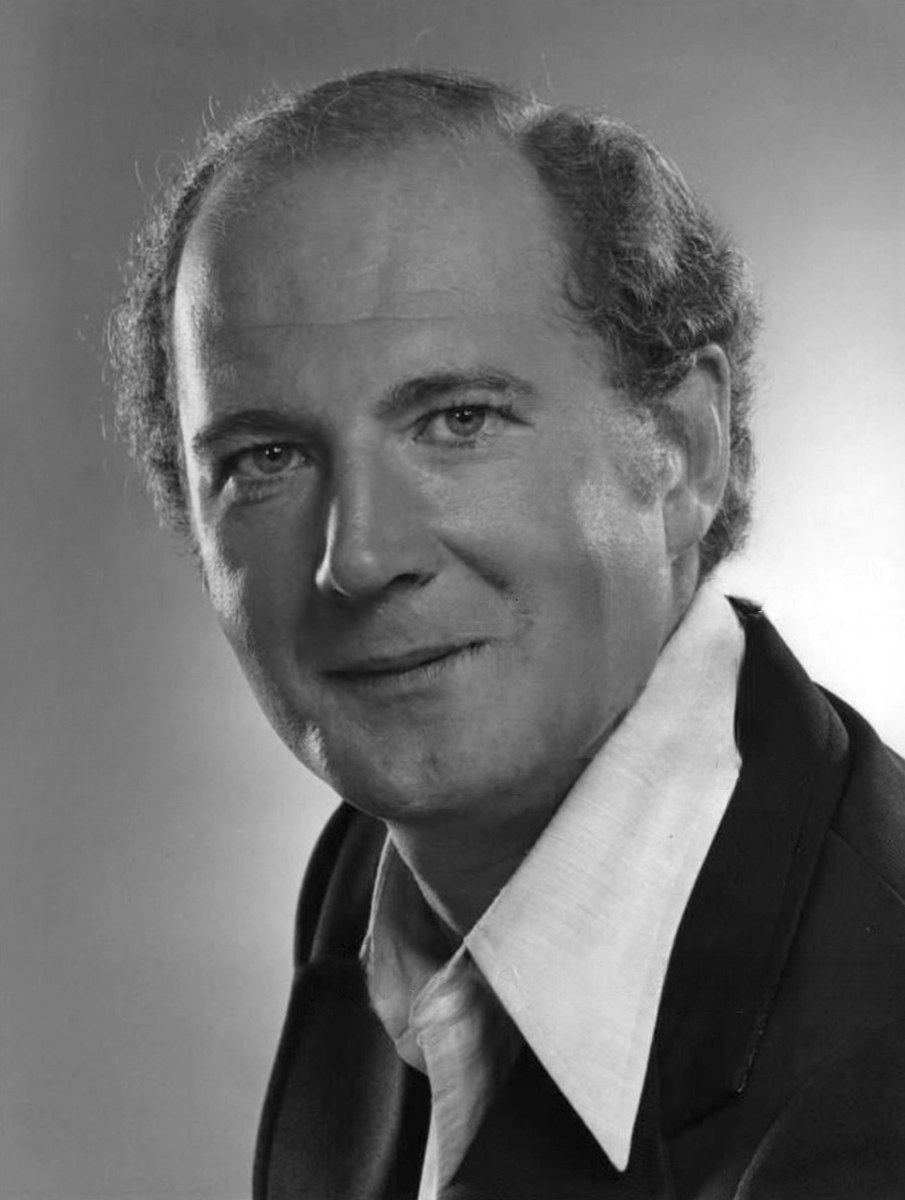
A Peoria Boy Who Loved Music
David Allen Ogden Stiers was born on October 31, 1942, in Peoria, Illinois, to Margaret Elizabeth Ogden and Kenneth Truman Stiers, an accountant, and he grew up in a household where music mattered as much as anything else. The family moved to Eugene, Oregon, where he graduated from North Eugene High School in 1960, and he went on to train as an actor in New York, working on stage before television found him. He appeared in the original Broadway cast of the musical The Magic Show in 1974, playing Feldman the Magnificent, an alcoholic magician, a role that showed off the precise, slightly arch comic timing that would define his career, and he began collecting television guest spots on the best shows of the decade, including Kojak, Charlie Angels and The Mary Tyler Moore Show.
Stiers was, from the beginning, two people at once: an actor and a musician, and the music was not a hobby. He conducted orchestras from early in his career, and he talked, in interviews, about how conducting gave him a different kind of satisfaction from acting, a control over the whole sound of a thing that no single performance could match. He was tall, precise, articulate, with a voice that sounded educated even when he was being funny, and casting directors saw in him exactly what audiences would later see: a man who could play authority, pomposity and vulnerability in the same breath, and make all three believable.
Major Winchester Arrives, 1977
In 1977 Stiers joined the cast of M*A*S*H in its sixth season, playing Major Charles Emerson Winchester III, a snobbish Boston blueblood and Harvard Medical School graduate with a passion for Tchaikovsky, Ravel and Mozart, who had been posted to the 4077th as the replacement for Frank Burns, the shows previous foil. Larry Linville, who had played Burns, had left the series, and the producers needed a new antagonist for Hawkeye and B.J., someone who could match them intellectually and lose to them morally, and Stiers was perfect: Winchester was pompous, cultured, selfish and, underneath it all, decent, a man whose worst crime was believing he was better than everyone around him, which, in the context of a war zone, was almost a virtue.
Stiers played Winchester from 1977 until the series ended in 1983, and the role earned him two Emmy nominations, in 1981 and 1982, and a permanent place in the shows history. His final appearance came in the series finale, Goodbye, Farewell and Amen, which was seen by 125 million viewers, the largest audience in American television history at the time, and Winchester final scene, in which he taught a group of Chinese prisoners of war to play Mozart, and then learned they had all been killed, remains one of the most affecting moments in the series. Stiers had taken a character who could have been a cartoon and made him human, and he never forgot that the audience had let him do it.
Cogsworth and the Voice Years
After M*A*S*H ended, Stiers built a second career as one of the most in-demand voice actors in animation, and his most famous role came in 1991, when he voiced Cogsworth, the tightly wound clock, in Disney Beauty and the Beast, a performance of such fussy precision that children who had never heard of Winchester knew his voice by heart. He went on to voice Governor Ratcliffe in Pocahontas in 1995, the Archdeacon in The Hunchback of Notre Dame in 1996, and Jumba Jookiba, the mad alien scientist, in Lilo and Stitch in 2002, a role he returned to in the sequels and the television series, and he contributed his voice to the English-language version of Hayao Miyazaki Spirited Away in 2001. He also worked in live action, appearing in five Woody Allen films beginning with Another Woman in 1988, and playing Reverend Gene Purdy on the science fiction series The Dead Zone from 2002 to 2007.
The voice work suited Stiers for a reason he would only explain years later: he had kept his private life hidden, in part, because he feared that if parents knew he was gay, it would affect his work on family films, and the voice roles let him be famous without being seen. It was a calculation that said a great deal about Hollywood in the 1980s and 1990s, and about Stiers himself, who was willing to pay the price of invisibility for the sake of the work. He was, by every account, a generous colleague and a meticulous professional, the kind of actor directors hired when they needed a scene to be exactly right, and he worked steadily, in animation and live action, for the rest of his life.
The Conductor of Newport
Stiers spent his later years in Newport, Oregon, a small coastal town where he had lived for more than two decades, and where he served as associate conductor of the Newport Symphony Orchestra and the Ernest Bloch Music Festival, and guest-conducted more than seventy orchestras around the world, in over a hundred appearances. Music was not a retirement hobby for him; it was the other half of his life, the part that had nothing to do with fame, and he poured himself into it, helping to build the Newport Symphony into a real cultural institution and conducting with the same precision he brought to his acting. People in Newport knew him as a generous, slightly eccentric neighbor, a man who showed up to rehearsals, who cared about the library and the arts council, and who happened to have been on television.
He made his final Broadway appearance in 2009, in a revival of Irving Berlin White Christmas, playing General Henry Waverly, a grandfatherly role that was about as far from Winchester as it was possible to get, and he continued to conduct, to record voice work, and to live quietly in Newport, where the pace suited him and the ocean was close. He was, by then, a man who had two careers and two homes, one in Hollywood and one in Oregon, and he had chosen, in the end, the one where he could be himself, which was the point of the announcement he made that same year.
A Private Life, Spoken Aloud at 66
In May 2009, at 66, Stiers came out as gay in an interview with the blog Gossip Boy, and later confirmed it with ABC News, telling interviewers that he had kept his sexuality secret in part to continue receiving work from studios such as Disney, and that he wished to spend his life twilight being just who he was. He said, with characteristic candor, that he could claim noble reasons, like moving gay rights forward, but that his reasons were more selfish: now was the time he wished to find someone, and he did not desire to force any potential partner to live a life of extreme discretion for him. He had never married, and he had a son from a relationship in the 1960s, a fact he did not publicize, and he lived, by his own account, a very private life, even after coming out.
The announcement was widely covered, and widely praised, not least because Stiers had nothing to gain from it: he was not promoting a project, he was not launching a career, he was simply telling the truth at an age when most people have stopped bothering. He said he was very proud to be a gay man, and he said it in the same precise, articulate voice that had made him famous, and then he went back to Newport, and back to conducting, and back to the life he had built for himself. He never had a public partner, and his obituaries noted that he had no immediate survivors, but the announcement itself was the point: after a lifetime of discretion, he had decided to be known.
Bladder Cancer and a Quiet Goodbye
Stiers died at his home in Newport, Oregon, on March 3, 2018, at 75, of complications related to bladder cancer, after what his agent Mitchell K. Stubbs called a courageous battle with the disease. Stubbs announced the death on Twitter that morning, writing that Stiers had died peacefully at home, and that his talent was only surpassed by his heart, a phrase that was repeated in obituaries around the world. He had been ill for some time, but he had kept the details private, as he had kept most of his life private, and the news came as a shock to fans who had last seen him conducting in Newport, or heard him as Jumba in a Lilo and Stitch rerun, and who had assumed he would go on forever.
His will made provisions for bequests to several area arts organizations, including the Newport Symphony, the Newport Public Library and the Oregon Coast Council for the Arts, a final gift to the town that had given him a home and a second career, and a fitting end for a man who had spent his life serving two arts at once. He was 75, he had been Winchester and Cogsworth and Jumba and a conductor and, finally, an openly gay man in his twilight, and he died at home, in the place he had chosen, of a disease he had fought without making a public drama of it. The M*A*S*H cast mourned him, Disney mourned him, and Newport mourned him, each for a different man, and all of them were right.
What Happened to David Ogden Stiers, in the End
So what happened to David Ogden Stiers? He became Major Winchester, he became Cogsworth, he became a conductor, and he became, at 66, an openly gay man who wished to spend his twilight being just who he was, and he did all of it without ever becoming a tabloid figure, without ever marrying, without ever having a public partner, and without ever stopping work. He played Winchester for six seasons, he voiced some of the most beloved characters in animation, he conducted more than seventy orchestras, and he died on March 3, 2018, at his home in Newport, Oregon, at 75, of bladder cancer, leaving his estate to the arts organizations of the town he loved.
What remains is the voice, still ticking as Cogsworth in Beauty and the Beast, still scheming as Jumba in Lilo and Stitch, still precise and erudite as Winchester in M*A*S*H reruns, and the music, still played by the Newport Symphony he helped to build, and the example of a man who kept his private life private until he decided not to, and who, when he finally spoke, spoke plainly, and then went back to work. Stiers was a character actor, a voice actor, a conductor and, in the end, a man who knew exactly who he was, and who made sure, before it was too late, that the rest of us knew too.
Frequently asked questions
What happened to David Ogden Stiers?
David Ogden Stiers died on March 3, 2018, at his home in Newport, Oregon, at 75, of complications related to bladder cancer. He had played Major Charles Winchester on M*A*S*H and voiced Cogsworth in Beauty and the Beast, and he was the resident conductor of the Newport Symphony Orchestra.
Who did David Ogden Stiers play on M*A*S*H?
Maj. Charles Emerson Winchester III, a snobbish Boston surgeon who joined the 4077th in season six in 1977, replacing Frank Burns, and stayed until the series finale in 1983. The role earned him two Emmy nominations.
What Disney characters did David Ogden Stiers voice?
Cogsworth the clock in Beauty and the Beast (1991), Governor Ratcliffe in Pocahontas (1995), the Archdeacon in The Hunchback of Notre Dame (1996), and Jumba Jookiba in Lilo and Stitch (2002). He also voiced Kamaji in the English version of Spirited Away.
Was David Ogden Stiers gay?
Yes. He came out as gay in May 2009, at 66, in an interview with the blog Gossip Boy, later confirmed with ABC News. He said he had kept it private fearing it would affect his voice work for family films, and that he wished to spend his twilight being just who he was.
Was David Ogden Stiers married?
No, he never married. He had a son from a relationship in the 1960s, and he had no immediate survivors at his death.
What did David Ogden Stiers die of?
Complications related to bladder cancer. His agent announced that he died peacefully at his home in Newport, Oregon, on March 3, 2018, after a courageous battle with the disease.
Was David Ogden Stiers a conductor?
Yes. He was associate conductor of the Newport Symphony Orchestra and the Ernest Bloch Music Festival, and he guest-conducted more than 70 orchestras in over 100 appearances around the world.
How old was David Ogden Stiers when he died?
Seventy-five. He was born October 31, 1942, in Peoria, Illinois, and died March 3, 2018, in Newport, Oregon.
Sources
- EN WikipediaBirth, Winchester role, Emmy nominations, Cogsworth, conductor, coming out, death
- Animation MagazineDeath March 3, 2018, age 75, bladder cancer, home in Newport, Cogsworth role
- TV InsiderDeath March 3, 2018, bladder cancer, joined M*A*S*H in 1977, two Emmy nods