What Happened to Danny Kaye, the Jester?
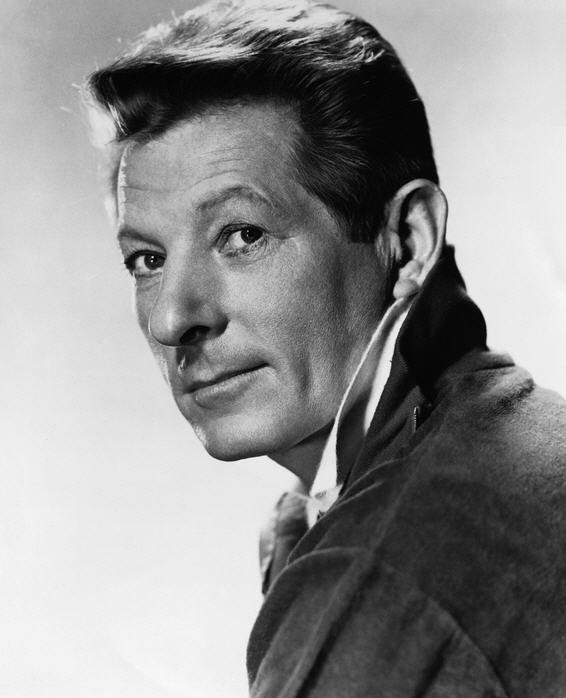
A Brooklyn Boy Who Said 1913
Danny Kaye was born David Daniel Kaminsky on January 18, 1911, in Brooklyn, New York, the youngest of three sons of Russian Jewish immigrants from Yekaterinoslav, in present-day Ukraine, and he was the only son born in the United States, and he grew up in Brooklyn, and he left high school at the age of 14, and he worked as a busboy, and he hitchhiked to Florida with a friend, singing for money, and he worked his way up through vaudeville and the Borscht Belt, and he learned, night after night, how to sing, and how to dance, and how to talk very fast, and how to make a crowd laugh, and he became, in the end, Danny Kaye, and the name, in the end, became famous around the world.
The birth year was disputed for his whole life, and it was disputed in his obituaries. Kaye himself long said he was born in 1913, and the wire reports on his death gave his age as 74, and the current record gives January 18, 1911, and his daughter Dena confirmed in 2013, during a Turner Classic Movies salute, that the 1913 year was wrong, and that he was actually born in 1911, and this article uses 1911, and gives his age at death as 76, and states the dispute honestly, because the man himself, in the end, preferred the younger age, and the record, in the end, says otherwise, and both facts belong in the story.
Broadway, Lady in the Dark, and Hollywood
Kaye broke through on Broadway in Lady in the Dark in 1941, playing a fast-talking, tongue-twisting character that showed off everything he could do, and the show made him a star, and Hollywood called, and his film debut was Up in Arms in 1944, and he followed it with The Kid from Brooklyn in 1946, and with The Secret Life of Walter Mitty in 1947, playing the daydreaming proofreader who imagines himself a hero, and the film became, in the end, his signature picture, and the one people still quote, and the one that made the name Walter Mitty a part of the language, and Kaye, in the end, was the man who could be shy and brave at the same time, and who could sing, and dance, and mug, and do it all in the same scene.
He starred in 17 movies in all, and the best known of them are The Kid from Brooklyn, The Secret Life of Walter Mitty, The Inspector General in 1949, Hans Christian Andersen in 1952, White Christmas in 1954, and The Court Jester in 1956, and he hosted the 24th Academy Awards show in 1952, when it was broadcast only on radio, and he was, in the end, one of the few performers of his time who could do everything, and who did, in the end, do everything, and who was, in the end, as comfortable on a Broadway stage as he was on a film set, and as comfortable with a symphony orchestra as he was with a slapstick routine.
Hans Christian Andersen, White Christmas, and The Court Jester
In Hans Christian Andersen in 1952 Kaye played the storyteller himself, singing and dancing his way through a fairy-tale Denmark, and the film was a huge success, and it gave him some of his best-loved songs, and two years later he starred in White Christmas, in 1954, with Bing Crosby, taking the role Fred Astaire had turned down, and the film became, in the end, the most successful musical of its year, and one of the most beloved Christmas films ever made, and Kaye's nervous, funny, big-hearted Phil Davis was, in the end, the perfect foil for Crosby's cool, and the two men, in the end, made each other better, and the film, in the end, made them both richer, and more famous, and more loved.
In The Court Jester in 1956 he gave his greatest comic performance, as Hubert Hawkins, the jester who must impersonate a king, and the film is famous for its tongue-twister, the pellet with the poison is in the vessel with the pestle, and for its sword fights, and its songs, and its sheer speed, and Kaye did it all, the singing, and the dancing, and the fighting, and the talking, at a pace no one else could match, and he hosted his own television show, The Danny Kaye Show, from 1963 to 1967, and he won three stars on the Hollywood Walk of Fame, for motion pictures, for recording, and for radio, and he was, in the end, one of the few performers who claimed three stars, and who deserved all three.
UNICEF and the Ambassador's Second Career
Kaye's greatest legacy was not in films but in charity. He became involved with UNICEF in the 1950s, and in 1954 he became the organisation's first ambassador-at-large, and he served in the role for 34 years, and he travelled the world for the children, and he conducted orchestras in fundraising concerts, and he used his fame, and his comedy, and his music, to raise money and attention for children in need, and when UNICEF was awarded the Nobel Peace Prize in 1965, Kaye was chosen to accept the award on the organisation's behalf, and it was, in the end, the proudest moment of his life, and the one he talked about most, and the one that mattered most to him.
He received the French Legion of Honor in 1986 for his work with UNICEF, and he received two Academy Awards, an Honorary Oscar in 1955 and the Jean Hersholt Humanitarian Award in 1982, and he received the Screen Actors Guild annual award in 1982 as well, and he was, in the end, honoured as much for his charity as for his comedy, and the two were, in the end, the same thing, because the comedy was the tool, and the charity was the purpose, and the man who made the world laugh spent the second half of his life trying to make the world better for children, and he did it, in the end, for thirty-four years, and he never stopped, and he never slowed down, until his body stopped him.
Sylvia, Dena, and the Seattle Mariners
Kaye was married once, to Sylvia Fine, the songwriter and producer who wrote much of his material, and who shaped his career, and whom he married in 1940, and the marriage lasted forty-seven years, until his death in 1987, and they had one daughter, Dena, and Sylvia was at his bedside when he died, with Dena, and she survived him, and died in 1991, and the marriage was, in the end, one of the great partnerships in show business, because she wrote the words, and he performed them, and together they built a career that neither could have built alone, and the daughter they raised, in the end, became the keeper of his story, and the one who set the record straight about his birth year.
He was also, unexpectedly, a baseball man. In 1977 he became the original owner of the Seattle Mariners, with his partner Lester Smith, and he owned the team until 1981, and he loved the game, and he loved the team, and he was, in the end, a man of many passions, and baseball was one of them, and music was another, and children were another, and the Mariners were, in the end, a footnote in a life full of footnotes, and a reminder that Kaye was, in the end, more than a comedian, and more than a singer, and more than an actor, and that he was, in the end, a man who threw himself into everything he did, and who did it all, in the end, with the same energy he brought to the stage.
The Transfusion, the Hepatitis, and the End
Kaye's health failed in the 1980s. He underwent quadruple bypass heart surgery in February 1983, and during his hospital stay he contracted hepatitis C from a blood transfusion, and the hepatitis damaged his liver, and it led, in the end, to internal bleeding, and to heart failure, and he kept working through it, playing a Holocaust survivor in the television movie Skokie in 1981, one of his last great performances, and a serious one, and conducting orchestras for UNICEF, and his final recorded performance was as a dentist on an episode of The Cosby Show, aired in February 1986, and he was, in the end, still working, and still performing, a year before he died.
He was admitted to Cedars-Sinai Medical Center in Los Angeles in his final days, in extremely critical condition, and he died there on March 3, 1987, at 3:58 in the morning, of heart failure brought on by complications of internal bleeding and hepatitis, with his wife Sylvia and his daughter Dena at his bedside, and he was 76 by the 1911 birth year, and 74 by the 1913 year he had long claimed, and the wire reports gave 74, and this article gives 76, and notes the dispute, and he was buried in Kensico Cemetery in Valhalla, New York, beside his wife Sylvia, and the bench over his grave is decorated with symbols of the things he loved, a bat, a baseball, and a glove, an airplane, a piano, and the United Nations insignia.
What Happened to Danny Kaye, in the End
So what happened to Danny Kaye? He was born David Daniel Kaminsky in Brooklyn in 1911, he left school at 14, he broke through on Broadway in Lady in the Dark in 1941, he married Sylvia Fine in 1940, he made his film debut in Up in Arms in 1944, he starred in The Secret Life of Walter Mitty in 1947, he became UNICEF ambassador-at-large in 1954, he received an Honorary Oscar in 1955, he starred in White Christmas in 1954 and The Court Jester in 1956, he hosted The Danny Kaye Show from 1963 to 1967, he accepted the Nobel Peace Prize for UNICEF in 1965, he became owner of the Seattle Mariners in 1977, he received the Jean Hersholt Humanitarian Award in 1982, he had quadruple bypass surgery in February 1983, he contracted hepatitis C from a transfusion, he played his last role on The Cosby Show in February 1986, and he died on March 3, 1987, at 76, of heart failure, in Los Angeles.
He was buried in Kensico Cemetery in Valhalla, New York, and he is, still, the jester of The Court Jester, and the dreamer of The Secret Life of Walter Mitty, and the singer of Hans Christian Andersen, and the ambassador who served UNICEF for 34 years, and the winner of an Honorary Oscar and the Jean Hersholt Humanitarian Award, and the husband of Sylvia Fine for forty-seven years, and the father of Dena, and the man who said he was born in 1913, and who was, in the end, born in 1911, and who died, in the end, at seventy-six, of an illness he caught in a hospital, from the blood that was meant to save him.
Frequently asked questions
What happened to Danny Kaye?
Danny Kaye died on March 3, 1987, at 76, of heart failure brought on by complications of internal bleeding and hepatitis C, at Cedars-Sinai Medical Center in Los Angeles. He had contracted hepatitis C from a blood transfusion during quadruple bypass heart surgery in February 1983. He was buried in Kensico Cemetery in Valhalla, New York.
When was Danny Kaye born, 1911 or 1913?
January 18, 1911, in Brooklyn, as David Daniel Kaminsky, according to the current record. Kaye himself long said 1913, and contemporary obituaries reported his age at death as 74. His daughter Dena confirmed in 2013 that 1911 was correct, which makes him 76 at his death.
What was Danny Kaye most famous for?
His film comedies, especially The Secret Life of Walter Mitty (1947), Hans Christian Andersen (1952), White Christmas (1954) and The Court Jester (1956), and his fast-talking, tongue-twisting stage act. He starred in 17 films and hosted The Danny Kaye Show on television from 1963 to 1967.
What did Danny Kaye do for UNICEF?
He became UNICEF's first ambassador-at-large in 1954 and served for 34 years, travelling the world for children and conducting orchestras in fundraising concerts. When UNICEF won the Nobel Peace Prize in 1965, Kaye was chosen to accept the award on the organisation's behalf.
Did Danny Kaye win an Oscar?
He received two Academy Awards, neither competitive: an Honorary Oscar in 1955 and the Jean Hersholt Humanitarian Award in 1982. He also received the Screen Actors Guild annual award in 1982, and he has three stars on the Hollywood Walk of Fame.
Who was Danny Kaye married to?
Sylvia Fine, the songwriter and producer who wrote much of his material. They married in 1940 and stayed married for 47 years, until his death in 1987. They had one daughter, Dena, who was at his bedside when he died.
Did Danny Kaye own a baseball team?
Yes. He was the original owner of the Seattle Mariners, with his partner Lester Smith, from 1977 to 1981. He was a passionate baseball fan, and a bat, a baseball and a glove are among the symbols carved on the bench over his grave.
What was Danny Kaye's last performance?
A serious one, as a Holocaust survivor in the television movie Skokie (1981), and his final recorded performance was as a dentist on an episode of The Cosby Show, aired in February 1986, about a year before he died.
Sources
- EN WikipediaBirth January 18 1911, Brooklyn, Lady in the Dark, films, UNICEF, bypass and hepatitis, death March 3 1987
- Masterworks BroadwayBorn January 18 1913 per the artist's own account, UNICEF, Honorary Oscar 1954 and Hersholt 1981, burial Kensico
- Emanuel Levy17 films, three Walk of Fame stars, UNICEF ambassador, Nobel Peace Prize acceptance, death from hepatitis after bypass