What Happened to Charles Nelson Reilly?
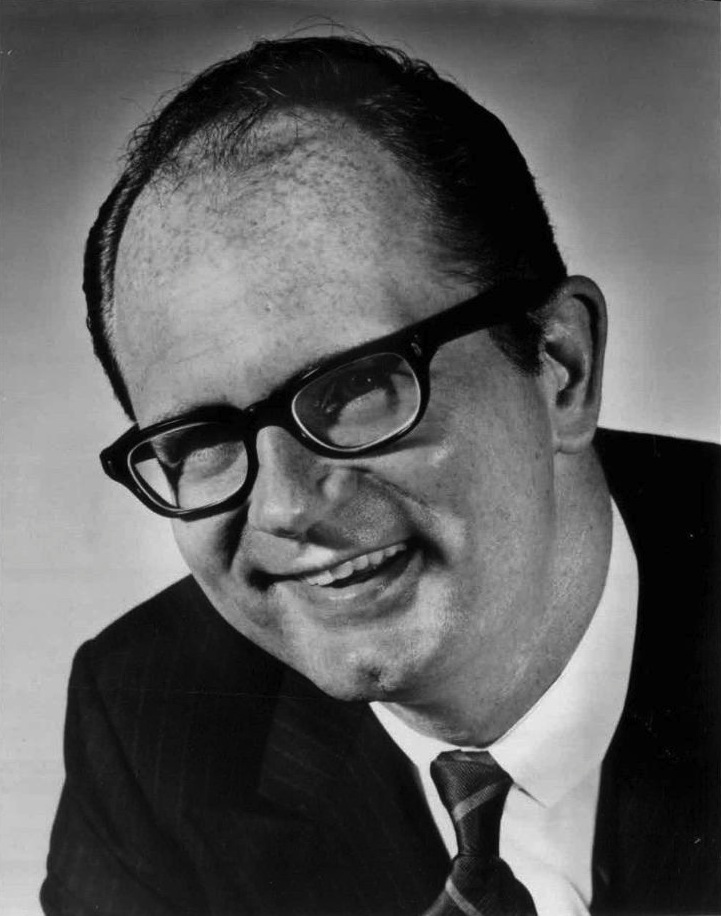
A Bronx Boy Who Survived the Circus Fire
Charles Nelson Reilly was born on January 13, 1931, in New York City, in the Bronx, to an Irish-Catholic father and a Swedish Lutheran mother, and he grew up amusing himself by creating puppet theater, and his mother often told him to save it for the stage, a line that would, decades later, become the title of his one-man show. In 1944, at age 13, Reilly was at a circus in Hartford, Connecticut, when it caught fire, and the fire killed 167 people, according to EN Wikipedia, although the Hartford Courant puts the toll at 168, and some profiles at 169, a small disagreement that this article states plainly, because the record is, on this point, genuinely unclear, and because Reilly deserves an accurate account, not a smoothed-over one. Because of the trauma, he was afraid of sitting in an audience for the rest of his life, the large crowds reminding him of what had happened that day, and he rarely attended plays, even when directing one, preferring to sit at the back of the house, or the back of a balcony, near the exits, to preview his work.
He developed a love of opera, and wanted to become an opera singer, and he entered the Hartt School of Music as a voice major, but abandoned the pursuit when he realized he lacked the natural vocal talent for a major career, although opera remained a lifelong passion, and he was a frequent guest on opera-themed radio programs, including the Metropolitan Opera broadcasts, and he directed opera productions for the Chicago Opera Theater, and the Dallas Opera, and the Portland Opera, and the San Diego Opera, and the Santa Fe Opera. He made his film debut with an uncredited role in A Face in the Crowd in 1957, directed by Elia Kazan, and he spent most of his early career on the stage, in summer stock, and Off Broadway, and in the 1950s, at the Starlight Theatre in Kansas City, Missouri, where he was a regular performer in comic roles, and where he learned, in the hard school of live performance, the timing and the presence that would carry him for the next fifty years.
Bud Frump and the Tony, 1962
His big break came in 1960, with the original Broadway production of Bye Bye Birdie, in which he had a small onstage part and was Dick Van Dyke's understudy and replacement for the leading role, and in 1961, he was in the original cast of How to Succeed in Business Without Really Trying, the Pulitzer Prize-winning musical, in which he originated the role of Bud Frump, the sycophantic, scheming nephew of the company president, and for which he earned, in 1962, the Tony Award for Best Featured Actor in a Musical. He was 31, he had been acting for a decade, and he had, in Bud Frump, a character that was funny, and sharp, and entirely his own, and he played him with a comic timing that made every line land, and that made the audience laugh, and that made the Tony voters take notice, and that gave him, at last, the recognition he had been working for, since he was a boy in the Bronx, making puppet theater, and being told to save it for the stage.
In 1964 he was in the original cast of Hello, Dolly!, another successful Broadway show, originating the role of Cornelius Hackl, for which he received a second Tony nomination, for performance by an actor in a featured role in a musical, and he was, by then, a Broadway actor of real standing, a man who had been in three of the biggest musicals of the era, and who had won a Tony, and been nominated for another, and who was, in the end, about to become better known for his television work than for his stage work, because television, in the 1960s, was where the audience was, and where the money was, and where a comic actor with a big personality, and a bigger laugh, could become, in a few short years, a household name.
Claymore Gregg and the Ghost
From 1968 to 1970, Reilly appeared as Claymore Gregg, the bumbling, scheming, endlessly funny villain, on the television series The Ghost and Mrs. Muir, for which he received an Emmy nomination, and he appeared as a regular on The Dean Martin Show, and had guest appearances on McMillan and Wife, and The Patty Duke Show, and Here's Lucy, and Rowan and Martin's Laugh-In, and The Love Boat, and Love, American Style, and in 1971, he appeared as the evil magician Hoodoo in Lidsville, a children's program on ABC created by Sid and Marty Krofft. He was a frequent guest on The Tonight Show Starring Johnny Carson, appearing more than 100 times, and he lived within blocks of the Burbank studios where the show was taped, so he was often asked to be a last-minute replacement for scheduled guests who canceled, and he was, by every account, a lively, and reliable, talk show guest, a man who could be funny, on demand, about anything, and who made Carson laugh, which was no small thing.
He was, by then, in his late thirties, and he had been on Broadway, and on television, and in the movies, and he was, in the end, a working actor, a man who showed up, knew his lines, and made the scene work, and he did it, year after year, without ever becoming a star, and without ever seeming to mind, because the work was the work, and the work was what he loved, and because he had, in Claymore Gregg, and in the Tonight Show, and in the game shows that were about to come, a career that was, by every measure that matters, a success, even if it was not the career he had imagined, when he was a boy in the Bronx, dreaming of opera, and of the stage.
Match Game's Upper Right Seat
Reilly was a fixture on game shows, primarily due to his appearances as a regular panelist on Match Game, where he was one of the longest-running guests, and where he sat, most often, in the upper right seat, next to Brett Somers, in the upper middle seat, and where the two of them engaged in playful banter that became, over the years, one of the great comic partnerships in television history. He typically offered sardonic commentary, and peppered his answers with homosexuality-themed double entendres that pushed the boundaries of 1970s television standards, and he did it with a wink, and a laugh, and a timing that made the audience love him, even when the censors did not, and he was, by every account, the funniest man on the panel, and the one the contestants most wanted to match, because he was, quite simply, the best at the game, and the best at being funny, on live television, without a script.
He wore a toupee on Match Game, and the toupee became a running joke, when, during the taping of Match Game 74, he left for a short time to film Hamburgers and to star in the Neil Simon play God's Favorite, and his toupee had to be adjusted in New York, and he was seen, in several episodes, wearing different hats, because the toupee was back in New York, waiting to be fitted, and the jokes about his hair became, in time, a part of the show, and a part of his act, and he abandoned the toupee in the late 1990s, and appeared bald in all of his subsequent public events, and he dramatized the experience in his stage show, The Life of Reilly, in which he took off his toupee, on stage, and gave it to a bald contestant, and the audience, which had loved him for years, loved him even more, for being honest, and funny, and himself.
Director, Teacher, and the Voice of the Dirty Bubble
From 1976 on, Reilly primarily taught acting and directing for television and theater, and he directed Julie Harris, with whom he had acted in Skyscraper in 1965 and 1966, in her one-woman Broadway play The Belle of Amherst, and in 1979, he directed Ira Levin's play Break a Leg on Broadway, which closed after one performance, and he resigned from directing the show before it opened, citing creative differences, and he joked about it, on The Tonight Show, saying, So a play can open and last six years, eight years, or two hours and five minutes. He earned, in 1997, a Tony Award nomination as Best Director of a Play, for the revival of The Gin Game, starring Julie Harris, and he was, by then, a director of real standing, and a teacher, at HB Studio, the acting studio founded by Herbert Berghof, where his students included Lily Tomlin, and Bette Midler, and Gary Burghoff.
He was also a frequent vocal presence in animation, with lead roles as Frank Frankenstone in The Flintstone Comedy Show, and as Mr. Toad in The Wind in the Willows, and as Killer in All Dogs Go to Heaven, and as Hunch in Rock-a-Doodle, and as King Llort in A Troll in Central Park, and he was the original voice of the Dirty Bubble on SpongeBob SquarePants, from 1999 to 2007, a role that introduced him to a whole new generation of viewers, who had never seen Match Game, and who knew him only as a voice, and a funny one. He was not, as some profiles claim, the voice of Plankton, a role that belongs to Doug Lawrence, and this article corrects that error plainly, because Reilly deserves an accurate account, and because the Dirty Bubble was his, and his alone. He was also nominated for Emmy Awards in 1998, for The Drew Carey Show, and in 1999, for Millennium, for his performance as the eccentric writer Jose Chung, a role that became, in time, one of his most beloved, and one of his funniest.
Patrick Hughes and the One-Man Show
Magazine and newspaper profiles of Reilly throughout the 1970s and 1980s did not mention his personal life, and it was not until years after the cancellation of Match Game that he revealed, in his one-man show, Save It for the Stage: The Life of Reilly, in July 2000, that he was gay, a revelation that was, by every account, a relief, and a triumph, and a moment of honesty that the audience, which had loved him for years, greeted with applause, and with love. His domestic partner was Patrick Hughes, a set decorator and dresser, whom he had met backstage while appearing on the game show Battlestars, and with whom he lived, in Beverly Hills, from 1980 until his death in 2007, a partnership of twenty-seven years that was, by all accounts, a happy one, and a loving one, and a private one, until Reilly chose, in his one-man show, to make it public, and to tell his story, in his own words, on his own terms.
The one-man show was recorded, in 2004, in its final two performances in North Hollywood, as the basis of an autobiographical independent film, The Life of Reilly, which premiered in March 2006 at the South by Southwest film festival, to acclaim, and Reilly, who had been stricken with respiratory problems while filming, retired from directing and performing immediately after the final day of shooting, and he cancelled his personal appearance at South by Southwest due to his illness, and by the time the film premiered, he had been hospitalized, and he was, in the end, dying, of pneumonia, and he died, on May 25, 2007, at 76, with Patrick Hughes, his only immediate survivor, at his side, and his body was cremated, and his ashes were given to Hughes, and the Game Show Network dedicated its programming that weekend to Reilly, airing some of his funniest episodes of Match Game.
What Happened to Charles Nelson Reilly, in the End
So what happened to Charles Nelson Reilly? He survived the Hartford Circus Fire at 13, he won a Tony Award in 1962 for Bud Frump, he was nominated for a Tony for Hello, Dolly!, he played Claymore Gregg on The Ghost and Mrs. Muir, he was a regular on Match Game for nearly a decade, he directed The Gin Game and was nominated for a Tony for it, he taught at HB Studio, he voiced the Dirty Bubble on SpongeBob SquarePants, he came out publicly in his one-man show, he made a film of it, and he died on May 25, 2007, of complications from pneumonia, at 76, after being ill for more than a year, with his partner, Patrick Hughes, at his side. The detailed accounts place his death at UCLA Medical Center in Los Angeles; Playbill reported it as Beverly Hills, where he lived, and this article states both, because the record is, on this point, genuinely unclear, and because Reilly deserves an honest account.
What remains is Bud Frump, still scheming, still funny, still Tony-winning, and Claymore Gregg, still bumbling, still funny, still on The Ghost and Mrs. Muir, and the Match Game panel, still laughing, still in the upper right seat, and the Dirty Bubble, still bubbling, still funny, still on SpongeBob, and the one-man show, still telling his story, still funny, still honest, and the example of a boy from the Bronx who survived a fire, who was afraid to sit in an audience, who became an actor anyway, and who, in the end, told his own story, on stage, and made it funny, and made it last, and who died, at 76, with his partner at his side, and his work done.
Frequently asked questions
What happened to Charles Nelson Reilly?
Charles Nelson Reilly died on May 25, 2007, at 76, of complications from pneumonia, after being ill for more than a year. The detailed accounts place his death at UCLA Medical Center in Los Angeles; Playbill reported it as Beverly Hills, where he lived.
Who did Charles Nelson Reilly play on Match Game?
He was a regular panelist, one of the longest-running guests, usually in the upper right seat next to Brett Somers. He was known for sardonic commentary and double entendres, and for the running jokes about his toupee.
What did Charles Nelson Reilly win a Tony for?
Best Featured Actor in a Musical in 1962, for originating the role of Bud Frump in How to Succeed in Business Without Really Trying. He was also nominated for a Tony for Hello, Dolly! in 1964 and for directing The Gin Game in 1997.
Did Charles Nelson Reilly survive the Hartford Circus Fire?
Yes. He was 13 when the circus tent caught fire in Hartford, Connecticut, in 1944. The death toll is given as 167 by Wikipedia, 168 by the Hartford Courant, and 169 by some profiles. The trauma left him afraid to sit in an audience for the rest of his life.
Who was Charles Nelson Reilly partner?
Patrick Hughes III, a set decorator and dresser, whom he met backstage on the game show Battlestars. They lived together in Beverly Hills from 1980 until Reilly's death in 2007. Hughes was his only immediate survivor.
Did Charles Nelson Reilly voice Plankton on SpongeBob?
No. He was the original voice of the Dirty Bubble on SpongeBob SquarePants, from 1999 to 2007. Plankton is voiced by Doug Lawrence. Some profiles credit Reilly with both roles; only the Dirty Bubble is his.
What was Charles Nelson Reilly one-man show?
Save It for the Stage: The Life of Reilly, an autobiographical play in which he told his life story, including coming out publicly as gay in 2000. It was filmed as The Life of Reilly, which premiered at South by Southwest in March 2006.
How did Charles Nelson Reilly die?
Of complications from pneumonia, on May 25, 2007, at 76. He had been ill for more than a year, had retired from directing and performing in 2004, and was hospitalized by the time his film premiered. His body was cremated and his ashes given to Patrick Hughes.
Sources
- EN WikipediaBirth, Hartford Circus Fire, Tony 1962, Ghost and Mrs. Muir, Match Game, Dirty Bubble, death
- PlaybillTony win for Bud Frump, death May 25, 2007, Beverly Hills, pneumonia, partner Patrick Hughes
- Hartford CourantHartford Circus Fire, 168 lives, death in Los Angeles, one-man show