What Happened to Bobby Sherman?
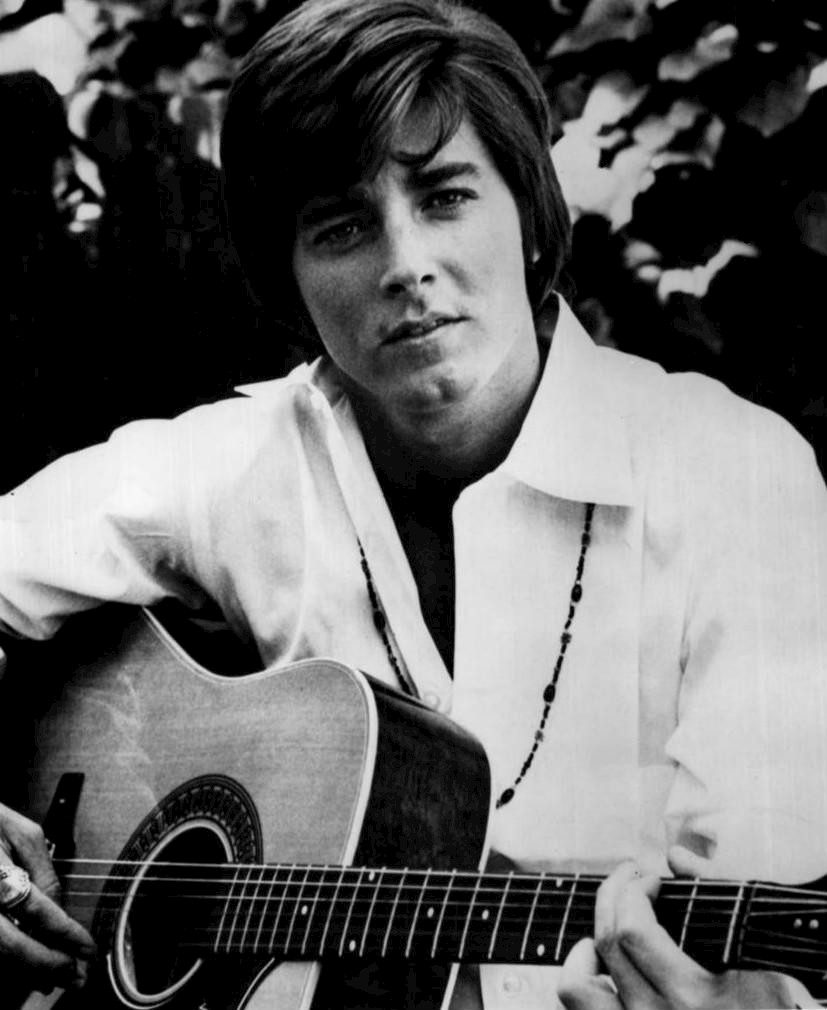
Santa Monica to Shindig
Robert Cabot Sherman Jr. was born on July 22, 1943, in Santa Monica, California, and grew up in Van Nuys with his sister Darlene. He learned guitar, sang in school, and by the early 1960s was working the Hollywood party circuit, where in 1964 singer Sal Mineo heard him and asked him to sing with his band. That performance led to an agent, and the agent led to a job as a house singer and cast member on the ABC music series Shindig!, which ran from 1964 to 1966. Sherman was suddenly on national television every week, singing for an audience of teenagers who would soon know his name by heart.
Shindig! was a launching pad, not a destination. Sherman recorded for Decca and smaller labels, appeared in teen magazines, and built the wholesome, shaggy-haired image that would define him: the boy next door with a guitar, clean-cut enough for parents and dreamy enough for their daughters. It was an image he would wear lightly and then, remarkably, take off entirely.
Jeremy Bolt and Here Come the Brides
In early 1968 Sherman was cast as Jeremy Bolt, the bashful, stammering logger, in the ABC series Here Come the Brides, which ran from 1968 to 1970. He played the youngest of the Bolt brothers, alongside Robert Brown and David Soul, in a frontier dramedy about loggers and the women brought to Seattle to marry them. As of 1970 he was receiving more fan mail than any other performer on the ABC television network, a statistic that tells you everything about who was watching: millions of young fans, writing letters, buying magazines, and waiting for the next record.
The show gave him the platform, and the records gave him the career. Here Come the Brides was not a huge hit, but it found a loyal audience, and Sherman's face, week after week in living rooms across America, turned a promising singer into a teen idol. The leap from television regular to pop star took less than a year, and it changed his life completely.
Little Woman and the Hit Parade
Sherman signed with Metromedia Records in 1969, and the hits came in a rush. Little Woman, released in 1969, reached number three on the Billboard Hot 100, number two in Canada, spent nine weeks in the Top 20, sold over one million copies, and earned a gold disc. La La La (If I Had You) and Easy Come, Easy Go both reached number nine and went gold, and Julie, Do Ya Love Me reached number five in the United States, went gold, and became his only entry on the UK chart, at number 28 in November 1970.
The numbers behind the fame are staggering. Between 1962 and 1976 Sherman released 107 songs, 23 singles, and 10 albums, scoring seven Top 40 hits, seven gold singles, one platinum single, and five gold albums. Other hits included Jennifer, Hey, Mister Sun, Cried Like a Baby, which reached number 16, and The Drum, which reached number 29. For a few years he was everywhere: on television, on the radio, on lunchboxes, and on the covers of Tiger Beat and Sixteen, the magazines that made and broke teen idols.
Getting Together and the Guest-Star Years
After Here Come the Brides, Sherman starred in Getting Together, a sitcom that began as a back-door pilot on The Partridge Family in March 1971 and aired from September 1971, but was canceled after 14 episodes. He kept busy with guest spots on series including Honey West, where he played a kidnapped band member, The Monkees, where he played a conceited surfer-singer named Frankie Catalina, Mod Squad, Emergency!, The Love Boat, Fantasy Island, and Murder, She Wrote, plus a later Frasier cameo. He was a familiar face in living rooms for decades, even as the hit records stopped coming.
The guest-star years were the slow fade of a teen idol's career, and Sherman handled them without drama. He did not chase a comeback single or a reality show. He worked, he toured occasionally, and he began to think about what came next. The answer arrived, unexpectedly, on the set of a television drama about firefighters and paramedics.
The Emergency! Episode That Changed Everything
The turning point came in the Emergency! episode titled Fools, the 17th episode of the third season, which aired on January 19, 1974. Sherman guest-starred on the show, and something about the world of paramedics and rescue work caught him in a way that show business no longer did. He has described the experience as the spark for a complete change of direction, and it was: within a few years, the teen idol had left the stage for the ambulance.
It is one of the great second-act stories in entertainment, precisely because it was not a publicity move. Sherman did not announce a charity single or a foundation with his name on it and keep singing. He trained, qualified, and went to work, in a field where nobody cared that he had once been on a lunchbox. The fame that had defined him became a footnote, and he preferred it that way.
Paramedic, Police Officer, Deputy
Sherman left show business in the 1970s and became a paramedic and emergency medical technician. He volunteered with the Los Angeles Police Department, giving CPR and first-aid classes, and in the 1990s he became a technical Reserve Police Officer with the LAPD, a role he still held as of 2017. He served for more than a decade as a medical training officer at the Los Angeles Police Academy, instructing thousands of recruits, and in 1999 he was named the LAPD's Reserve Officer of the Year.
He went further. In 1999 he also became a reserve deputy sheriff with the San Bernardino County Sheriff's Department, serving until his retirement in 2010. With his wife he co-founded the Brigitte and Bobby Sherman Children's Foundation, which supports students in Ghana with education and a music program, the two things that had shaped his own young life. For more than thirty years, the man millions of girls had screamed for was teaching strangers how to save a life, and he treated that work as the real career.
Family, Comeback, and Farewell
Sherman married Patti Carnel on September 26, 1971, and the couple had two sons, Christopher and Tyler, before divorcing in 1979. He later married Brigitte Poublon, with whom he founded the children's foundation. Sources differ on the year of that second wedding, with one biography giving 2010 and another 2011, so this article does not settle on a year. What is certain is the partnership: Poublon was with him at the end, and it was her statement, shared by family friend John Stamos on Instagram, that announced his death to the world.
He did return to the stage, once, and on his own terms. In 1998 he joined the Teen Idol Tour with Peter Noone and Davy Jones, with Micky Dolenz replacing Jones in 1999, and he gave his last solo concert in Lincoln, Rhode Island, on August 25, 2001. In January 2005, TV Guide ranked him number eight on its list of TV's 25 Greatest Teen Idols, a fond farewell from the industry he had left behind. After that, the stage belonged to other people. Sherman had a foundation to run, and a life to live.
The Teen Idol Machine
Sherman's fame was manufactured by a machine that, in the late 1960s, ran at full speed. The Associated Press obituary captured the image precisely: a winsome smile and a shaggy mop top, hair over his eyes and a choker at his neck, a squeaky-clean regular on the covers of Tiger Beat and Sixteen magazines. His face was printed on lunchboxes, cereal boxes, and posters that hung on bedroom walls, and the magazines, the television appearances, and the records fed each other in a loop that turned a promising singer into a national obsession within months. As of 1970 he received more fan mail than any other performer on ABC, the network's own measure of just how completely the machine had worked.
The machine made idols fast, and it usually discarded them just as fast, which is what makes Sherman's story unusual. He did not cling to the machine, sue it, or let it destroy him. He stepped out of it, trained for a different life, and let the posters fade on their own. An Associated Press account placed him in a lineage of teen heartthrobs stretching from Ricky Nelson in the 1950s through David Cassidy in the 1970s and on to Justin Bieber in the 2000s, with Sherman as the clean-cut bridge between the early rock era and the bubblegum explosion. It is a fitting place for him: the idol who understood, before almost any of his peers, that the machine was a phase, not a life, and who walked away while he still could.
Illness and Death
In March 2025, Sherman's Stage IV kidney cancer diagnosis was made public, and the news spread quickly among fans who had grown up with his songs. He died at home in Los Angeles on June 24, 2025, at age 81. His wife's statement, shared via John Stamos's Instagram, read in part: Bobby left this world holding my hand, just as he held up our life with love, courage, and unwavering grace. He was survived by his wife, his sons Tyler and Christopher, and six grandchildren.
The tributes that followed told the same story from two directions: the teen idol and the public servant. Fans remembered Little Woman and Here Come the Brides, and the police and sheriff's departments remembered a colleague who had taught thousands of recruits to save lives. Sherman had lived two full careers, in two different uniforms, and he was proud of both. But if you asked which one mattered more, the second act answers for itself: the boy on the lunchbox grew up to be a man who showed up when people called for help, and that is a legacy no chart position can match.
Frequently asked questions
What happened to Bobby Sherman?
Bobby Sherman left show business in the 1970s, became a paramedic, LAPD reserve officer, and San Bernardino County reserve deputy sheriff, and died at home in Los Angeles on June 24, 2025, at age 81, after a Stage IV kidney cancer diagnosis made public in March 2025.
What was Bobby Sherman famous for?
He was a late-1960s teen idol with the million-selling single Little Woman (1969) and hits including Julie, Do Ya Love Me, and he played Jeremy Bolt on Here Come the Brides (1968-1970).
Did Bobby Sherman really become a police officer?
Yes. He became a technical Reserve Police Officer with the LAPD in the 1990s, served more than a decade as a medical training officer at the Los Angeles Police Academy, was named LAPD Reserve Officer of the Year in 1999, and served as a San Bernardino County reserve deputy sheriff from 1999 until 2010.
When did Bobby Sherman die?
He died at home in Los Angeles on June 24, 2025, at age 81. His wife, Brigitte Poublon, announced his death in a statement shared by family friend John Stamos.
What was Bobby Sherman's biggest hit?
Little Woman (1969), which reached number three on the Billboard Hot 100, number two in Canada, spent nine weeks in the Top 20, sold over one million copies, and earned a gold disc.
Who was Bobby Sherman married to?
He married Patti Carnel in 1971, and they had two sons, Christopher and Tyler, before divorcing in 1979. He later married Brigitte Poublon, with whom he founded a children's foundation in Ghana.
Did Bobby Sherman ever perform again after leaving show business?
Yes, briefly. He joined the Teen Idol Tour in 1998 and gave his last solo concert in Lincoln, Rhode Island, on August 25, 2001.
What charity did Bobby Sherman run?
With his wife he co-founded the Brigitte and Bobby Sherman Children's Foundation, which supports students in Ghana with education and a music program.
Sources
- EN WikipediaBiography, Shindig!, Here Come the Brides, hits, paramedic and police career, death
- Legacy ObituaryDeath at 81, career summary, family
- Los Angeles Police Reserve FoundationLAPD reserve service, academy training role, Officer of the Year
- MyNewsLADeath June 24, 2025, wife statement, survivors