What Happened to Agnes Moorehead, Endora?
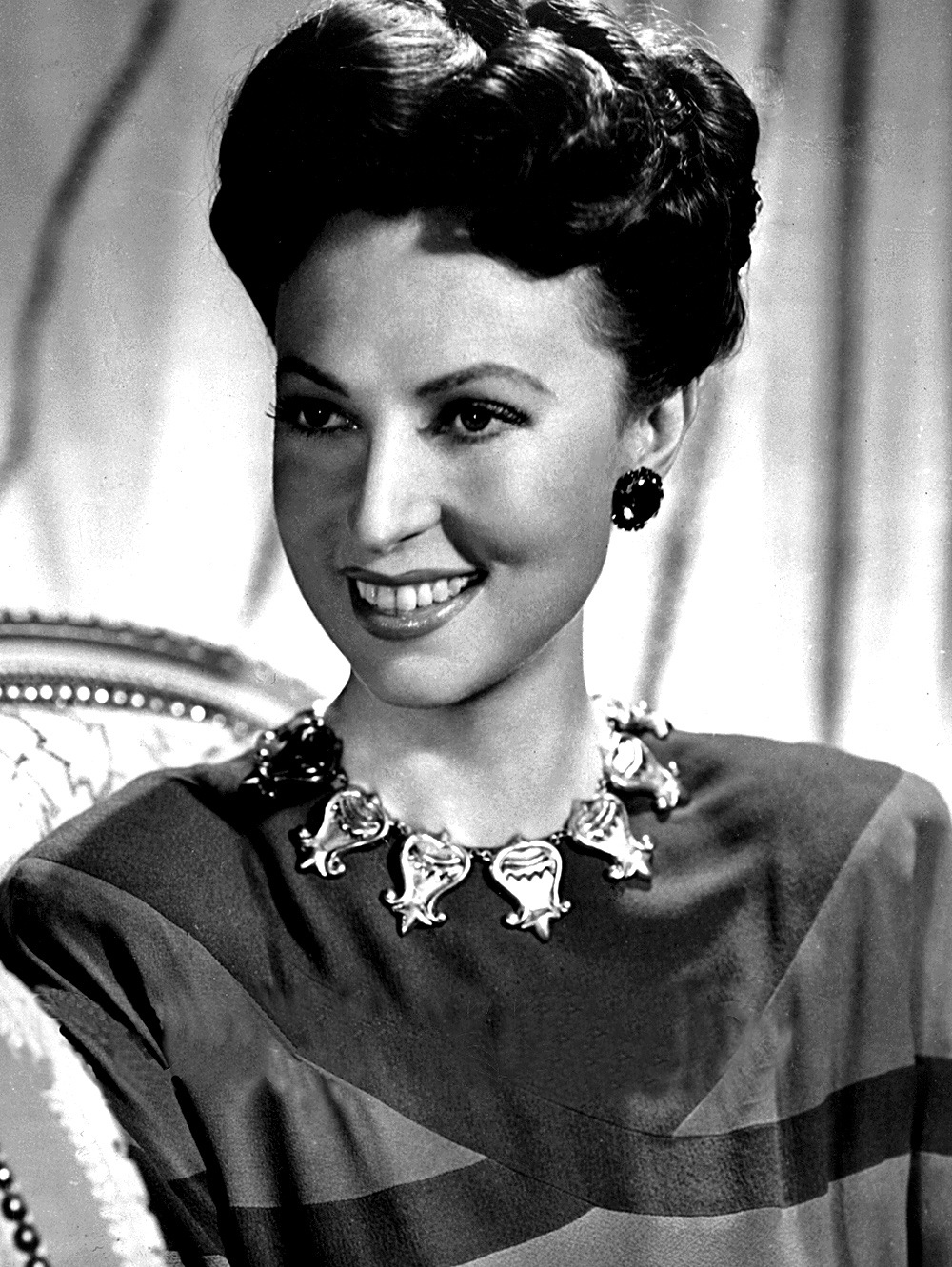
A Minister Daughter From Clinton
Agnes Robertson Moorehead was born on December 6, 1900, in Clinton, Massachusetts, the daughter of a Presbyterian minister, and she grew up in a household where the theater was not a profession but a scandal, which may explain why she pursued it with such determination. She graduated from Muskingum College in Ohio, then studied at the American Academy of Dramatic Arts in New York, and she began her career on radio in the 1930s, where her voice, rich, precise and capable of anything from warmth to menace, made her one of the most in-demand performers in the medium. She was a regular on The Shadow and dozens of other programs, and she learned, in radio, the lesson that would define her career: that a character actress could do more with her voice than a leading lady could do with her face. One biographical encyclopedia prints her birth as February 6, 1906, but EN Wikipedia and TV Insider both print December 6, 1900, and this article follows 1900, which makes her 73 at her death.
Moorehead spent the 1930s building a reputation as a versatile, reliable, endlessly inventive performer, and she was, by the end of the decade, one of the best-known voices in American radio, a woman who could play a mother, a villain, a society dame and a child, sometimes in the same broadcast. She was not beautiful in the Hollywood sense, and she knew it, and she did not care: she was an actress, and the work was the point, and the work was plentiful. When Orson Welles came calling, she was ready, and the next decade would make her a film actress as well, without ever taking her away from the stage or the microphone.
Orson Welles and Citizen Kane
In 1937 Moorehead joined Orson Welles Mercury Theatre, the most exciting company in American theater, and she became one of Welles most trusted collaborators, appearing in his stage productions and his radio broadcasts, including the Mercury Theatre on the Air, where her voice was a familiar presence to millions of listeners. When Welles went to Hollywood to make Citizen Kane in 1941, Moorehead went with him, and she made her film debut as Mary Kane, the mother of the title character, a small role in a film that would become the most famous in American history, and a credit that has followed her ever since. She was 40, she had never been in a film, and she was suddenly in the greatest film ever made, playing the mother of a man who would become a myth.
Her second film with Welles, The Magnificent Ambersons in 1942, gave her a much larger role, as Fanny Minafer, the spinster aunt whose hopes and resentments drive the plot, and the performance earned her the first of four Academy Award nominations, for Best Supporting Actress. She was, by then, a film actress of real standing, and she would go on to appear in more than seventy films, in every genre, from noir to western to melodrama, always as the character who made the scene work, always as the woman the audience remembered even when she was not the star. She never won an Oscar, and she never seemed to mind: the nominations were the proof, and the work was the point.
Four Oscar Nominations
Moorehead earned four Academy Award nominations for Best Supporting Actress, and never won any of them, a record that says more about the Academy than it does about her. The first came for The Magnificent Ambersons in 1942, the second for Mrs. Parkington in 1944, the third for Johnny Belinda in 1948, and the fourth, twenty years later, for Hush...Hush, Sweet Charlotte in 1964, in which she played Velma Cruther, the loyal housekeeper to Bette Davis decaying Southern belle, a performance that showed she could still steal a film at 63. In between she appeared in Dark Passage in 1947, Show Boat in 1951, All That Heaven Allows in 1955, and dozens of other films, always as the supporting player who made the stars look better, always as the professional who arrived on time, knew her lines, and left the audience with something to remember.
She was also a stage actress of real distinction, and in 1951 she appeared on Broadway in Don Juan in Hell, George Bernard Shaw dramatic reading, alongside Charles Boyer, Cedric Hardwicke and Charles Laughton, a production that toured and was revived, and that showed she could hold a stage with the greatest actors of her generation. She worked in television as well, in the 1950s and early 1960s, in dramas and anthologies, but nothing she did in those years suggested what was coming: a sitcom, a witch, and the most famous role of her life, which she took at 63, reluctantly, and which made her immortal.
Endora, 1964 to 1972
In 1964 Moorehead accepted the role of Endora, Samantha mortal-loathing, quick-witted witch mother, in the situation comedy Bewitched, playing the mother of Elizabeth Montgomery character, and she was, by her own later account, apprehensive at first, worried that a sitcom would waste her talents and that a witch would be the last thing anyone remembered her for. She was right about the second part and wrong about the first: Endora became her most famous role, the character that defined her for a generation of viewers who had never seen Citizen Kane or The Magnificent Ambersons, and she played it with such relish, such precision and such obvious delight that it is impossible to imagine anyone else in the part. She earned six Emmy nominations for playing Endora, and never won any of them, which is, in its own way, a fitting coda to a career of nominations without wins.
Bewitched ran from 1964 to 1972, eight seasons, and Moorehead was in it from the beginning to the end, the shows most reliable comic engine, the woman who could enter a scene, deliver a line that destroyed her son-in-law, and exit, leaving the audience laughing and the other actors struggling to keep up. She was 63 when the show began and 71 when it ended, and she worked, through it all, with the professionalism she had learned in radio and the Mercury Theatre, never missing a day, never complaining, never treating the material as beneath her. When the show ended, she was 71, and she kept working, in television and on stage, until her health failed, which was sooner than anyone expected.
Two Marriages and a Foster Son
Moorehead was married twice, and divorced twice, and had no children of her own. Her first marriage, to actor John Griffith Lee, lasted from 1930 to 1952, and her second, to actor Robert Gist, lasted from 1954 to 1958, and both ended in divorce, which was, in those years, a difficult thing for a woman in her position to admit, and which she admitted without apology. She raised a foster son, Sean Lee, and she was, by all accounts, a devoted mother to him, even as her career kept her away from home for long stretches, and she left him, in her will, a share of an estate that was modest by Hollywood standards and considerable by any other.
Her mother, Mary, outlived her, dying in 1990 at 106, a fact that Moorehead friends found both touching and terrible: that the daughter, who had worked so hard and so long, should die before the mother who had watched her do it. Moorehead bequeathed her jewelry and clothing to her mother, and her mother lived for another sixteen years, carrying the memory of a daughter who had been, in the end, the most famous witch on television, and one of the greatest character actresses who ever lived. Moorehead was, off camera, a private, reserved, deeply professional woman, and she kept her personal life to herself, which is why so little of it is known, and why the work is, in the end, all we have.
Uterine Cancer and the Conqueror Question
In early 1974 Moorehead performed in two episodes of the CBS Radio Mystery Theater, including the very first, a return to the medium where she had begun, and then her health failed. She was diagnosed with uterine cancer, which had spread to her lungs, and she was treated at the Mayo Clinic Hospital in Rochester, Minnesota, where she died on April 30, 1974, at 73. She had fought the disease in privacy, as she had fought everything in privacy, and her friend Debbie Reynolds later said that Moorehead had told her she would survive, and that she left her fate in God hands. She did not survive, and she was entombed in a crypt at Dayton Memorial Park in Dayton, Ohio. One source, SurvivorNet, prints that she died at 67, but her birth on December 6, 1900, and her death on April 30, 1974, make her 73, and this article follows 73.
Moorehead death has a tinge of speculation surrounding it, because she was one of many people who developed cancer after filming The Conqueror in 1956 with John Wayne in Utah, on land that had been used for atmospheric atomic bomb tests, and because so many of the cast and crew of that film died of cancer, the theory has persisted for decades that the fallout caused their disease. It has never been proven, and it probably never will be, and the article states it as speculation, not fact: Moorehead died of uterine cancer, the fallout theory is unproven, and the two facts should not be confused. What is certain is that she died at 73, at the Mayo Clinic, of a disease that had spread beyond treatment, and that she faced it, by every account, with the same professionalism she had brought to every role she ever played.
What Happened to Agnes Moorehead, in the End
So what happened to Agnes Moorehead? She became a radio star, she became a Mercury Theatre veteran, she became a four-time Oscar nominee, and then, at 63, she became Endora, and Endora is what the world remembers, which is both unfair and entirely fitting, because Endora was the role that let her be everything she was: funny, frightening, elegant, vulgar, maternal and merciless, all at once. She died on April 30, 1974, at the Mayo Clinic in Rochester, Minnesota, at 73, of uterine cancer, and she was entombed in Dayton, Ohio, and her mother outlived her by sixteen years, and her foster son survived her, and her work survived them all.
What remains is the voice, still rich and precise in Citizen Kane and The Magnificent Ambersons, still wicked as Endora in Bewitched reruns, and the record, which is extraordinary: four Oscar nominations, six Emmy nominations, more than seventy films, a career that ran from radio to television, from the Mercury Theatre to the sitcom, from 1930 to 1974, without ever stopping, without ever repeating herself, without ever becoming less than the best actress in the room. Moorehead was a character actress in the truest sense, and she proved, for forty years, that the character is the part that matters, and that the woman who plays it, if she is good enough, will be remembered forever.
Frequently asked questions
What happened to Agnes Moorehead?
Agnes Moorehead died on April 30, 1974, at the Mayo Clinic Hospital in Rochester, Minnesota, at 73, of uterine cancer. She had played Endora on Bewitched from 1964 to 1972, and she was a Mercury Theatre veteran with four Oscar nominations.
Who did Agnes Moorehead play on Bewitched?
Endora, the witch mother of Elizabeth Montgomery Samantha, from 1964 to 1972. She earned six Emmy nominations for the role and never won.
Did Agnes Moorehead win an Oscar?
No, although she was nominated four times for Best Supporting Actress: The Magnificent Ambersons (1942), Mrs. Parkington (1944), Johnny Belinda (1948) and Hush...Hush, Sweet Charlotte (1964).
What caused Agnes Moorehead cancer?
She died of uterine cancer, which had spread to her lungs. Some have speculated that it was caused by radioactive fallout from filming The Conqueror (1956) in Utah, but that theory has never been proven.
How old was Agnes Moorehead when she died?
Seventy-three. She was born December 6, 1900, in Clinton, Massachusetts, and died April 30, 1974. One source prints 67, which does not match her birth and death dates.
Was Agnes Moorehead in Citizen Kane?
Yes. She made her film debut as Mary Kane, the mother of the title character, in Orson Welles Citizen Kane (1941), after working with Welles in the Mercury Theatre.
Was Agnes Moorehead married?
Twice: John Griffith Lee from 1930 to 1952, and Robert Gist from 1954 to 1958. Both marriages ended in divorce. She had no children of her own and raised a foster son, Sean Lee.
Where is Agnes Moorehead buried?
She is entombed in a crypt at Dayton Memorial Park in Dayton, Ohio.
Sources
- EN WikipediaBirth, Endora role, four Oscar nominations, six Emmy nominations, death
- PopCultureDeath April 30, 1974, age 73, uterine cancer, six Emmy nominations, Conqueror theory
- TV InsiderBirth December 6, 1900, death April 30, 1974, age 73, uterine cancer