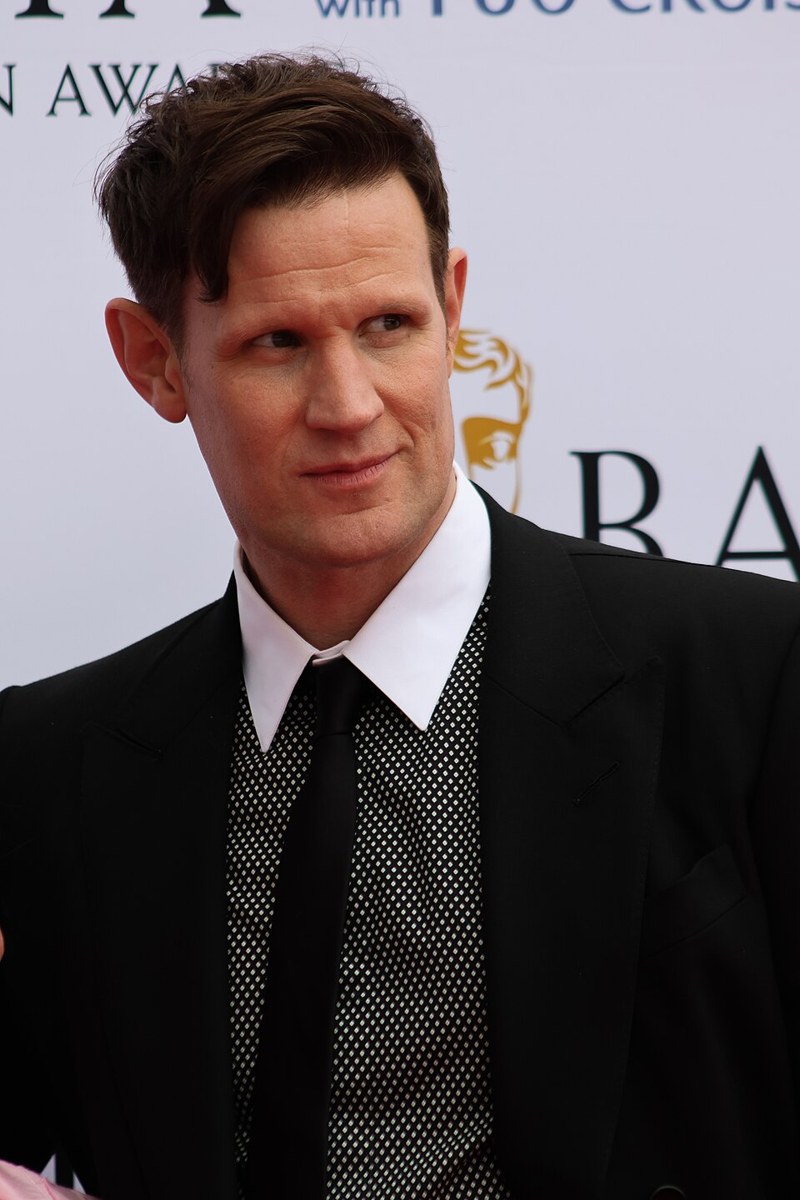
The Short Answer
The number first: Matt Smith earned ~$52,000 $/ep for playing Prince Philip, Duke of Edinburgh in The Crown (2016), according to Multiple reports in 2018. Multiple outlets reported that Matt Smith earned around $52,000 per episode as Prince Philip in The Crown's first two seasons — about $12,000 more per episode than lead Claire Foy's $40,000. Producers attributed the gap to Smith's Doctor Who fame, apologized to both actors, and instituted a 'no one gets paid more than the Queen' policy going forward.
That figure is the reported upfront salary, and it reflects something very specific: the actor's quote at the moment the deal was signed. In Hollywood, a quote is a function of recent box-office history, competing offers, and leverage — not a measure of talent. An actor coming off a hit can double their asking price overnight; an actor between hits negotiates from a very different position. The number in this article is therefore a snapshot of market power at a single point in time, and it would likely be different if the same deal were negotiated a year earlier or a year later.
It helps to be precise about what a reported salary includes. The figure covers the acting fee for the project — not endorsements, not appearances, not producing fees unless the actor also held a producer credit (in which case those are usually separate line items). Backend, box-office bonuses, and profit participation are additive: they can multiply the total, but they are almost never disclosed with the same confidence as the upfront number.
It is worth asking why this particular figure entered the public record when most salaries never do. In most cases, disclosure serves someone's interest: an agent burnishing a client's quote, a studio projecting confidence, or a journalist serving a readership fascinated by the economics of stardom. Numbers that stay private usually stay private because no party gains from their release.
The Deal in Numbers
- Reported salary: ~$52,000 $/ep for Matt Smith's role as Prince Philip, Duke of Edinburgh.
- Reported by: Multiple reports in 2018 — trade/entertainment press reporting, not a studio confirmation.
- Estimated total: ~$1M (seasons 1-2).
- Episode count: 20 episodes, 2 seasons (2016-2017) in the relevant season on Netflix.
- Co-star pay: Matt Smith (Prince Philip, The Crown seasons 1-2 (2016-2017)) — ~$52,000 per episode.
- Co-star pay: Claire Foy (Queen Elizabeth II, The Crown seasons 1-2 (2016-2017)) — $40,000 per episode.
- Status: reported estimate. Backend, bonuses, and profit participation — if any — are not included in the headline figure.
The The Crown Pay Breakdown
Here is how the reported pay broke down across The Crown's principal cast, based on public reporting:
| Actor | Role / Project | Reported Pay | Notes |
|---|---|---|---|
| Matt Smith | Prince Philip, Duke of Edinburgh | ~$52,000 $/ep | This article's subject |
| Matt Smith | Prince Philip, The Crown seasons 1-2 (2016-2017) | ~$52,000 per episode | Reported by Cosmopolitan and others; roughly $12,000 more per episode than Claire Foy. |
| Claire Foy | Queen Elizabeth II, The Crown seasons 1-2 (2016-2017) | $40,000 per episode | Reported by Variety; the pay gap sparked a global controversy and a £200,000 back-pay settlement. |
| Matt Smith | The Eleventh Doctor, Doctor Who (2010-2013) | Undisclosed | His BBC salary was never published, but the role made him an international star — the leverage behind his Crown premium. |
Figures are reported estimates, not studio-confirmed amounts.
A few things to notice in the table above. First, every figure is an upfront guarantee — backend and bonuses, which can dwarf the base, are invisible here. Second, the numbers reflect negotiating leverage at signing, which is why an actor with a recent hit can out-earn a more famous co-star. Third, 'reported' matters: these are journalists' best estimates from sourced conversations, and while the sourcing here is strong, no studio has confirmed any of these numbers on the record.
How It Compares
Salary figures only mean something in context. A $20 million paycheck sounds enormous until you learn the co-star got $30 million; a $300,000 episodic fee sounds modest until you learn the show's entire budget was $4 million an episode. The comparisons below place this payday on the industry's actual pay scale — what peers earned for comparable work in the same era, reported by the same caliber of outlets.
- Claire Foy — $40K/ep for The Crown seasons 1-2. Variety reported her fee - about $12K less than Smith's.
- Matt Smith — Undisclosed (higher) for House of the Dragon (2022-). His HBO payday, reportedly multiples of his Crown fee.
- Tobias Menzies — Undisclosed for The Crown seasons 3-4. Cast as Philip under the new parity regime.
The through-line: Matt Smith's deal was negotiated against exactly this landscape. Agents walk into every negotiation armed with comparables like these, and studios counter with their own. The final number is where those two sets of comparables met.
The Career Context: Why This Was Matt Smith's Market Rate
Smith was the Eleventh Doctor on Doctor Who (2010-2013) at the peak of the show's global popularity, which gave him rare leverage for a supporting television role. He later headlined HBO's House of the Dragon as Daemon Targaryen.
That figure is the reported upfront salary — the guaranteed check, before any bonuses, backend participation, or profit points. In today's Hollywood, the headline number is rarely the whole story: for films expected to perform, studios routinely trade a lower upfront fee for a share of the outcome, which means the final payday can end up multiples higher than the announced salary. When a project overperforms, it is the backend — not the base — that creates the truly enormous paydays, and it is why two actors with identical upfront fees can walk away with wildly different totals.
Put Matt Smith's deal next to Claire Foy's The Crown seasons 1-2 ($40K/ep) and Matt Smith's House of the Dragon (2022-) (Undisclosed (higher)), and the logic of the quote becomes visible: pay tracks recent commercial heat more closely than it tracks fame, awards, or tenure. An actor's salary is a lagging indicator of their last few projects' performance — which is why a single hit can reprice someone overnight, and why a quiet stretch can quietly discount them.
How Star Salaries Get Set
Understanding any single salary requires understanding the buyout. In the streaming era, platforms largely replaced theatrical backend — the profit participation that once made stars rich on hits — with upfront buyouts: bigger guaranteed checks in exchange for no share of the outcome. That is why streaming salaries often look inflated next to theatrical ones for comparable films. The actor trades the lottery ticket of backend for the certainty of cash; the platform trades cash for freedom from accounting disputes. Both sides usually consider it a fair trade.
The Bigger Picture
The bigger story is the streaming-driven inflation of TV salaries. When platforms were spending to acquire subscribers at any cost, per-episode fees detached from anything broadcast television had ever paid — and they never fully came back down. Even as the industry tightens, established stars continue to command the quotes set during the peak years. Each deal like this one becomes the comparable cited in the next negotiation.
There is a second-order effect worth noting: every per-episode figure that becomes public becomes ammunition for the next negotiation. When a $1 million episodic fee leaks, it resets expectations across the industry — showrunners budget against it, agents demand it, and platforms either pay it or lose the talent. Public salary reporting doesn't just describe the TV market; it actively reprices it, one disclosed deal at a time.
About This Salary Figure
On sourcing: the salary figures here come from public reporting by established entertainment journalists, each cited by name. Hollywood pay is private by default — no studio publishes a payroll — so 'reported' is doing real work in these sentences. It means a professional journalist staked their reputation on the number. That is the strongest form of evidence available for this kind of information, and also its limit.
For this article, the anchor figure is ~$52,000 ($/ep) reported by Multiple reports in 2018.
Why treat this figure as credible? It comes from an established outlet with a track record of sourced salary reporting, it is consistent with the project's scale and the performer's quote at the time, and it has been repeated across entertainment press without correction. That is about as solid as unconfirmed Hollywood pay reporting gets.
Frequently Asked Questions
Why was Matt Smith paid more than Claire Foy?
Producers cited his Doctor Who fame - he was the bigger star when the show began in 2016.
Did Matt Smith support Claire Foy?
Yes - he publicly backed equal pay, telling THR he supported her completely.
How much did Smith make for House of the Dragon?
His Daemon Targaryen salary was never published, but reportedly multiples of his Crown fee.
How much did Matt Smith get paid for The Crown?
Matt Smith was reportedly paid ~$52,000 $/ep for playing Prince Philip, Duke of Edinburgh in The Crown, according to Multiple reports. The figure has not been officially confirmed by the studio.
Is Matt Smith's The Crown salary officially confirmed?
No. Like most Hollywood salaries, it comes from industry reporting — in this case Multiple reports — rather than an on-the-record studio confirmation. It is the best available public estimate, not an audited fact.
How does Matt Smith's pay compare to the The Crown co-stars?
Matt Smith (as Prince Philip, The Crown seasons 1-2 (2016-2017)) reportedly earned ~$52,000 per episode, versus Matt Smith's ~$52,000 $/ep. The gap reflects the leverage each actor held when their deal was signed — see the pay breakdown table above.
Could Matt Smith earn more for a follow-up?
Typically, yes. Actors renegotiate upward after a successful project — it is one of the most reliable patterns in Hollywood deal-making. A hit re-prices the quote; the next negotiation starts from the new number.
Where does ~$52,000 $/ep rank among 2016 paydays?
It sits in the top tier for its category — the range where studios pay only when they need a proven draw. For perspective, the comparable deals in the table above cluster in the same bracket, which confirms this was a market-rate deal for genuine star power rather than an outlier in either direction.