The Short Answer
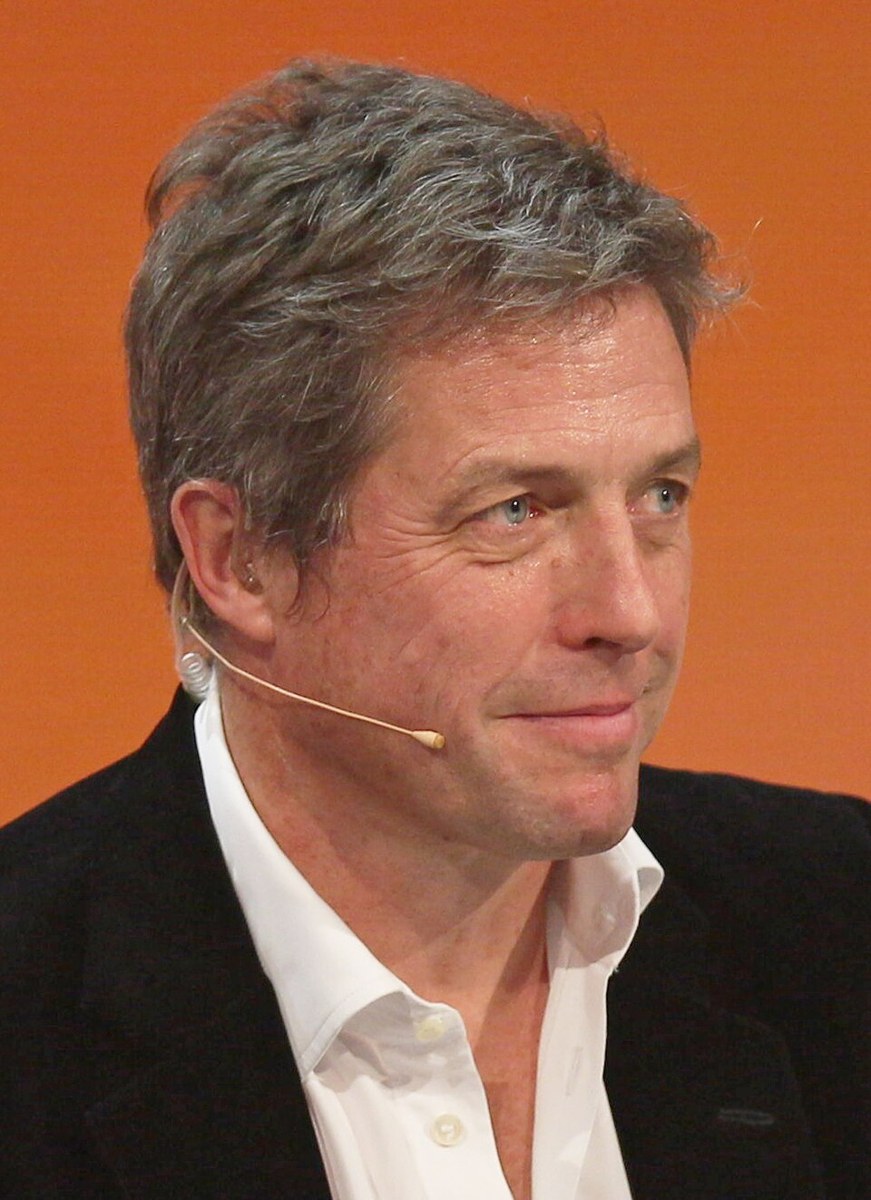
Let's be direct: nobody outside the deal knows what Hugh Grant was paid for playing Mr. Reed in Heretic (2024). The figure was never disclosed by the studio, the performer, or any credible trade report. Hugh Grant's salary for Heretic was never publicly disclosed. The British star played Mr. Reed, the menacing theologian who traps two Mormon missionaries, in an A24 horror film that cost just $10 million and grossed $59.5 million worldwide — earning Grant some of the strongest reviews of his career and a 91% Rotten Tomatoes score.
That silence is the norm, not the exception. The overwhelming majority of acting salaries are never made public — the figures that do surface each year come from leaks, strategic disclosures, or journalists with sourcing inside agencies and studios. When none of those channels produces a number, the honest answer is 'undisclosed,' and this page is built around that honesty.
What exactly does the number cover? In standard Hollywood deal reporting, a salary figure like this one refers to the fixed compensation for the performance itself — it does not include the 10 percent that typically goes to the agent, nor management and legal fees, nor taxes. It also does not include backend participation unless stated. So the headline figure is both the most solid number available and, paradoxically, never the performer's actual take-home.
Salary stories like this one persist because they answer a question audiences genuinely ask: what is fame worth, in dollars, right now? The answer is always provisional — quotes move, backends pay or don't, and today's record is tomorrow's footnote. But as a snapshot of one performer's market value at one moment, a well-sourced figure is the closest thing the public gets to seeing the price tag.
The Deal in Numbers
- Hugh Grant's salary: not publicly disclosed — no credible outlet has reported a figure.
- Project: Heretic (2024) — Hugh Grant as Mr. Reed.
- Production budget: $10 million (reported) — sets the ceiling for what the production could plausibly pay.
- Comparable deal: Tom Hardy — $20M for Venom: The Last Dance (2024) (context, not Hugh Grant's salary).
- Comparable deal: Cillian Murphy — $10M for Oppenheimer (2023) (context, not Hugh Grant's salary).
- Comparable deal: Sophie Thatcher — Undisclosed for Heretic (2024) (context, not Hugh Grant's salary).
The Pay Context
Because Hugh Grant's own figure was never disclosed, the table below shows verified deals for comparable talent in comparable projects. None of these is Hugh Grant's salary — they map the pay range this kind of work commands:
| Actor | Role / Project | Reported Pay | Notes |
|---|---|---|---|
| Tom Hardy | Venom: The Last Dance (2024) | $20M | Comparable deal — context only |
| Cillian Murphy | Oppenheimer (2023) | $10M | Comparable deal — context only |
| Sophie Thatcher | Heretic (2024) | Undisclosed | Comparable deal — context only |
Figures are reported estimates, not studio-confirmed amounts.
Reading a salary table like this one is an exercise in Hollywood semiotics. Billing order and pay order do not always match: the biggest star is not always the highest-paid, because pay reflects the deal struck at a specific moment, not a permanent ranking. Equal pay among co-stars usually signals a deliberate packaging decision — often to avoid the press cycle that erupts when a gap leaks. And when one actor earns multiples of another on the same project, the gap almost always maps to a gap in recent box-office leverage, not screen time.
Comparable Deals in Detail
No figure was disclosed for this project, so the honest substitute is comparables: verified deals for similar talent in similar projects. Each one below is labeled as context — none of them is the subject's salary — but together they draw the boundaries of the plausible pay range.
Tom Hardy — $20M for Venom: The Last Dance (2024). Variety reported the franchise payday — roughly double Heretic's entire production budget. The relevance is the tier: a proven performer carrying a project of similar scale, which is how agents establish what the market will bear.
Cillian Murphy — $10M for Oppenheimer (2023). Murphy's prestige-film fee equaled Heretic's whole budget. Deals like this one are what agents screenshot and walk into their own negotiations — they set the pay band even when individual salaries stay private.
Sophie Thatcher — Undisclosed for Heretic (2024). His co-star's paycheck was never published either. The figure captures the performer's quote at that moment: a useful anchor for the range this kind of work commands, even though it says nothing direct about our subject.
The Career Context: Why This Was Hugh Grant's Market Rate
Grant became a rom-com icon with Four Weddings and a Funeral (1994) and Notting Hill (1999), then reinvented himself in middle age as a character actor — scene-stealing in Paddington 2 (2017), The Undoing (2020), and now Heretic, where his villain turn surprised critics.
That figure is the reported upfront salary — the guaranteed check, before any bonuses, backend participation, or profit points. In today's Hollywood, the headline number is rarely the whole story: for films expected to perform, studios routinely trade a lower upfront fee for a share of the outcome, which means the final payday can end up multiples higher than the announced salary. When a project overperforms, it is the backend — not the base — that creates the truly enormous paydays, and it is why two actors with identical upfront fees can walk away with wildly different totals.
Put Hugh Grant's deal next to Tom Hardy's Venom: The Last Dance (2024) ($20M) and Cillian Murphy's Oppenheimer (2023) ($10M), and the logic of the quote becomes visible: pay tracks recent commercial heat more closely than it tracks fame, awards, or tenure. An actor's salary is a lagging indicator of their last few projects' performance — which is why a single hit can reprice someone overnight, and why a quiet stretch can quietly discount them.
How Star Salaries Get Set
Understanding any single salary requires understanding the buyout. In the streaming era, platforms largely replaced theatrical backend — the profit participation that once made stars rich on hits — with upfront buyouts: bigger guaranteed checks in exchange for no share of the outcome. That is why streaming salaries often look inflated next to theatrical ones for comparable films. The actor trades the lottery ticket of backend for the certainty of cash; the platform trades cash for freedom from accounting disputes. Both sides usually consider it a fair trade.
The Bigger Picture
The broader pattern here is the one reshaping film salaries across the industry. Studios have grown disciplined about upfront pay, pushing compensation toward performance-linked structures — bonuses, backend, profit points — that pay stars like owners rather than employees. The actors who thrive in this system are the ones who negotiate participation, not just fees. The headline salary is the ante; the real game is what comes after.
There is a second-order effect worth noting: every major salary that becomes public becomes a comparable for the next negotiation. When a $20 million streaming deal leaks, ten other agents screenshot it and walk it into their own meetings. Public salary reporting doesn't just describe the market — it actively moves it, ratcheting quotes upward one disclosed deal at a time. That is why studios guard these numbers so jealously, and why the figures that do escape tend to be the ones someone wanted out.
About This Salary Figure
A note on method, because it matters. Studios almost never confirm actor salaries on the record, so every figure in this article is a reported estimate from journalists with sourcing inside the industry — not an audited fact. We cite the outlet behind each number, we distinguish confirmed reports from speculation, and when a figure is not publicly known, we say so plainly rather than inventing one. That discipline is the difference between salary reporting and salary fan-fiction.
For this article, the confirmed fact is the absence of a figure: neither the studio nor the performer's representatives has disclosed Hugh Grant's pay for Heretic. Every number presented as context is labeled as context — a comparable deal, a budget figure, or an industry pay band — never as Hugh Grant's salary.
What would change this page: a sourced report from an established trade or entertainment outlet putting a number on the deal. If that happens, this article will be updated and the framing revised. Until then, 'undisclosed' is the only honest answer we can give.
Frequently Asked Questions
Who does Hugh Grant play in Heretic?
Mr. Reed, a menacing theologian who traps two Mormon missionaries in his home.
What is Heretic's Rotten Tomatoes score?
91% from critics - one of the best-reviewed horror films of 2024.
How much did Heretic gross?
$59.5 million worldwide against a $10 million budget - a nearly 6x return.
How much did Hugh Grant get paid for Heretic?
The figure has not been publicly disclosed. Neither the studio nor Hugh Grant's representatives have confirmed a salary, and no credible trade report has published one.
Why isn't Hugh Grant's Heretic salary public?
Most acting salaries are private by default. Figures only surface through leaks, strategic disclosures, or sourced trade reporting — and for this project, none of those channels produced a number.
What do comparable actors earn for similar projects?
As context only: Tom Hardy reportedly earned $20M for Venom: The Last Dance (2024). That is a comparable deal, not Hugh Grant's salary — which remains undisclosed.
What was the budget of Heretic?
Heretic was made for a reported $10 million (reported). Big budgets don't automatically mean big salaries for every cast member, but they set the ceiling for what the production could plausibly pay its lead.
Could the real figure become public later?
Possibly. Salaries sometimes surface years after the fact — through profiles, legal filings, or retrospective trade reporting. If a credible figure emerges for Hugh Grant's Heretic pay, this article will be updated.