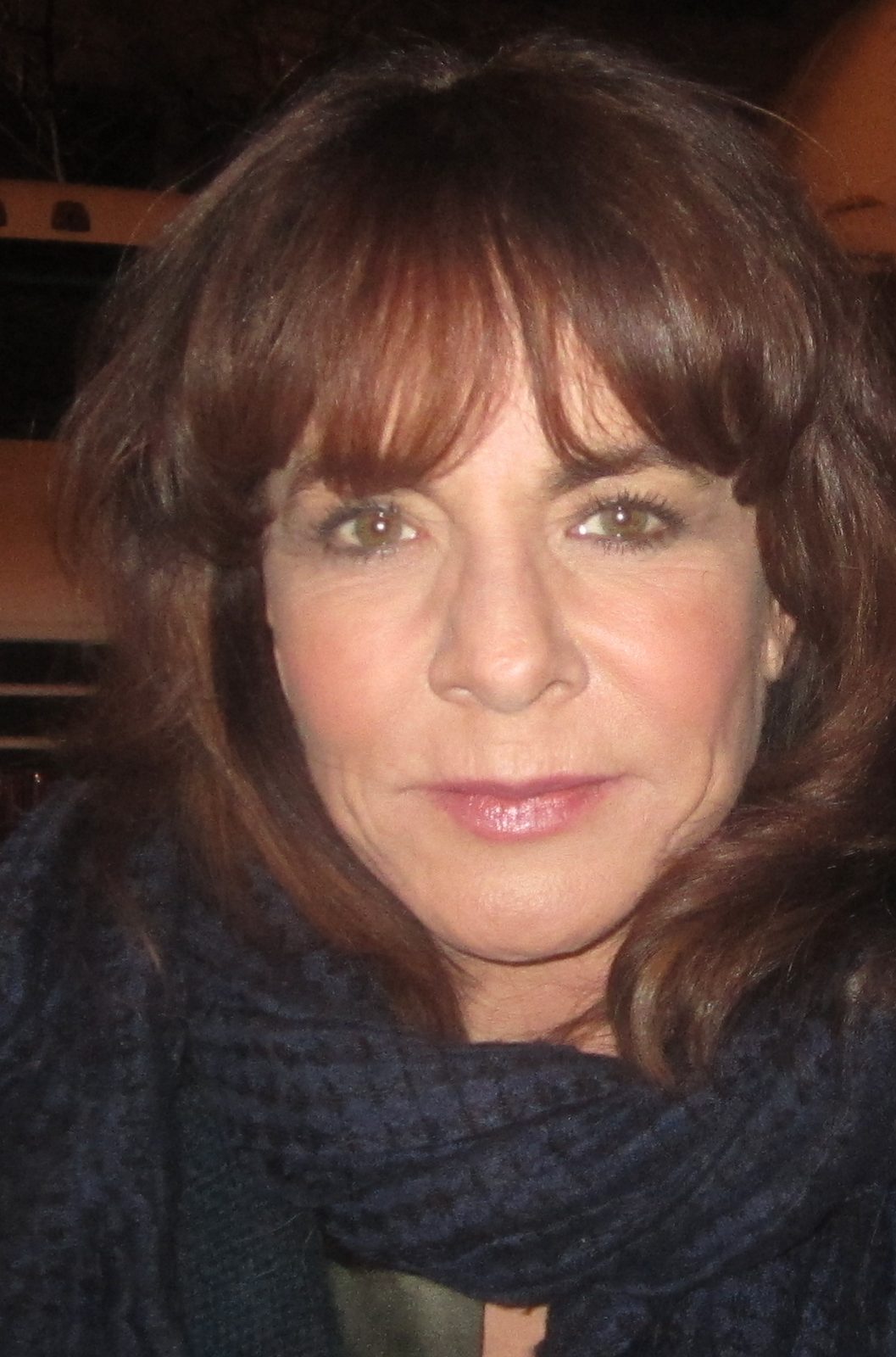
The Short Answer: Stockard Channing Has No Children
Stockard Channing has no children, and the public record on that point is complete and consistent. Across a stage and screen career that began in the late 1960s, there has been no pregnancy announcement, no birth report, and no adoption story attached to her name. Biographies list her as childless, and Channing herself has discussed the subject in interviews, not as a secret but as a fact of a life organized around work, marriage, and, for more than twenty years, a devoted partnership. The absence of children is not a gap in the record; it is the record.
The question comes up because Channing has played mothers with unusual authority. As Abbey Bartlet on The West Wing, she was the mother of the president’s daughters and the moral center of the First Family, and as Rizzo in Grease she was the worldly older girl guiding her friends. Audiences who watched her mothering on screen for years naturally wonder about her life at home. The answer is that the mothering was performance, of a very high order, and that Channing’s own household never included children.
A New York Upbringing
Susan Antonia Williams Stockard was born on February 13, 1944, in New York City, into a well-off family, and she was educated at the Chapin School and the Madeira School before attending Radcliffe College, where she studied history and literature and graduated in 1965. The young Stockard was, by her own account, a restless and theatrical child, and she found her vocation on stage while still at college, performing in university productions that convinced her to pursue acting professionally. After graduation she worked in regional theatre, building the classical grounding that would sustain a career spanning Broadway, film, and television.
Her early stage work brought her to New York, where she appeared in productions that established her as a serious actress of range and wit. She was not a starlet but a craftsperson, and the roles that came to her reflected that: sharp, funny, complicated women, often older than their years in wisdom and younger than their years in energy. By the late 1970s, that reputation had brought her to Hollywood, and the role that would define her for a generation of moviegoers was waiting.
Rizzo and Grease
Channing played Betty Rizzo in Grease in 1978, at thirty-four, as the tough, funny leader of the Pink Ladies, and the performance became iconic. Rizzo is the character audiences remember second only to Sandy and Danny: the girl with the sharp tongue, the vulnerability underneath, and the show-stopping number “There Are Worse Things I Could Do.” The film became one of the highest-grossing musicals of all time, and Rizzo became a permanent part of the culture, quoted and costumed by generations of fans who were not yet born when the film was released.
The role also created a lasting confusion. Rizzo, in the film’s plot, fears she may be pregnant, a storyline that has led some casual viewers to associate Channing herself with pregnancy and motherhood. The association is purely fictional, but it is powerful, and it is one reason the children question follows Channing to this day. In reality, the actress who played the pregnant teenager was herself childless, and remained so, a distinction that matters for accuracy even if it surprises fans.
Six Degrees and The West Wing
Channing’s stage career reached its peak when she originated the role of Ouisa Kittredge in John Guare’s Six Degrees of Separation, first on stage and then in the 1993 film, earning an Academy Award nomination for the performance. She won the Tony Award for Best Actress in a Play in 1985 for A Day in the Death of Joe Egg, and her stage credits form one of the most distinguished resumes in American theatre. Television audiences, meanwhile, met her as First Lady Abbey Bartlet on The West Wing from 1999 to 2006, a role that won her an Emmy in 2002, the same year she won a second Emmy for The Matthew Shepard Story.
The West Wing role, in particular, cemented her image as a maternal figure for a new generation. Abbey Bartlet was a physician, a mother of three daughters, and the wife of a president, and Channing played her with warmth, steel, and humor across seven seasons. Viewers who spent years watching Abbey mother her family naturally wondered whether Channing had a family like that at home. She did not, and the contrast between Abbey’s crowded household and Channing’s own quieter domestic life is part of what makes the question so persistent.
Four Marriages and Daniel Gillham
Channing was married four times: to Walter Channing Jr., whose surname she kept professionally, to Paul Schmidt, to David Debin, and to David Rawle. The marriages span the decades of her rising career, and none produced children. Her longest and most significant relationship, however, was not a marriage at all: from about 1990 until his death in 2014, she was with cinematographer Daniel Gillham, a partnership of more than two decades that took her from Maine to London and became the central relationship of her later life.
Gillham’s death in 2014 left Channing widowed in all but name, and she has spoken about the loss with restraint and honesty. In a 2025 interview with The Sunday Times, she described herself as “happy being a recluse,” a phrase that captures the shape of her life since Gillham’s death: private, quiet, and centered on close friends and work rather than on a large household. She moved to London, where she has lived for years, and her public appearances have become rarer, though her stage work has continued.
Her Own Words on Children
Channing’s most quoted remarks on children are notable for their unsentimental honesty. She has said that children were thought about, and that she thinks about them now because it would be great to have someone taking care of her, adding that children can be just as selfish as everybody else out there. The remark is funny, a little bleak, and entirely characteristic: Channing has never been a performer who sentimentalizes family life, on stage or off, and her answer refuses both regret and apology.
That tone is worth noting because it distinguishes her from the way celebrity childlessness is often framed, as either tragedy or triumph. Channing frames it as neither. Children were considered, life took a different shape, and the shape it took, four marriages, a long partnership, a distinguished career, and a quiet later life in London, is one she appears content with. The honesty of the remark is why it is quoted so often: it sounds like a real person, not a publicist’s line.
Why People Keep Asking
The question endures because Channing’s two most famous roles are both maternal in different ways: Rizzo, the older girl who mothers her friends, and Abbey Bartlet, the literal First Mother of a television family. Added to that is her long, distinguished career, which means new audiences keep discovering her, and her private later life, which means little new information emerges to settle old questions. Fans who loved Grease as teenagers and The West Wing as adults arrive at the same search, decades apart, and find the same answer.
For readers who came here for a number, the number is zero. For readers who came here for the person behind it, the person is one of the finest stage actresses of her generation, whose life included four marriages, a twenty-four-year partnership, and a career that moved from Broadway to Grease to the White House, fictional and otherwise.
The bottom line on Stockard Channing is a distinguished life without children, stated in her own unsentimental words. She has no children, she was married four times, and she spent more than two decades with Daniel Gillham until his death in 2014, living since then a private life in London that she describes as happy reclusion. Her most famous characters, Rizzo and Abbey Bartlet, mothered generations of viewers, but the mothering was art, not biography, and Channing herself has always been clear about the difference. Her career, from a Tony in 1985 to an Oscar nomination for Six Degrees of Separation to two Emmys in 2002, is a legacy that stands on its own, and her answer on children, that they were thought about and that life took another shape, is as honest as any performance she has given.
Stage Work Beyond the Screen
Channing’s screen fame, as Rizzo and as Abbey Bartlet, sometimes overshadows a stage career that many critics regard as her finest work. She won the Tony Award in 1985 for A Day in the Death of Joe Egg, playing a mother caring for a severely disabled daughter, a role of extraordinary difficulty that she carried with humor and unsentimental honesty. She originated Ouisa Kittredge in Six Degrees of Separation on Broadway before playing the role on film, earning an Oscar nomination, and her stage credits include work with some of the most respected directors and playwrights of her generation.
The stage career also explains the shape of her life. Theatre, with its eight-show weeks and long tours, is a demanding mistress, and Channing built her adult life around it, with marriages and a long partnership fitted to a performer’s schedule rather than to a conventional domestic timetable. Her later life in London, close to the West End stages where she has often worked, continues that pattern: a life organized around performance, friendship, and privacy, rather than around a household of children.
Frequently Asked Questions
Does Stockard Channing have any children?
No. Stockard Channing has no children.
Was Stockard Channing married?
Yes, four times: to Walter Channing Jr., Paul Schmidt, David Debin, and David Rawle.
Who was Stockard Channing’s long-term partner?
Cinematographer Daniel Gillham, from about 1990 until his death in 2014.
What is Stockard Channing best known for?
Betty Rizzo in Grease (1978) and First Lady Abbey Bartlet on The West Wing (1999–2006).
Did Stockard Channing win a Tony?
Yes, in 1985 for A Day in the Death of Joe Egg.
Where does Stockard Channing live now?
She moved from Maine to London and has described herself as happy being a recluse.
Was Stockard Channing really pregnant in Grease?
No. Rizzo’s pregnancy scare is fictional; Channing herself has no children.
Sources
- WikipediaBirth, education, career, marriages.
- Woman & HomeReclusive life, Gillham, children quote.
- Hello! Magazine2025 interview, reclusive life, 50 years after Grease.
- West Wing WikiAbbey Bartlet role and career.