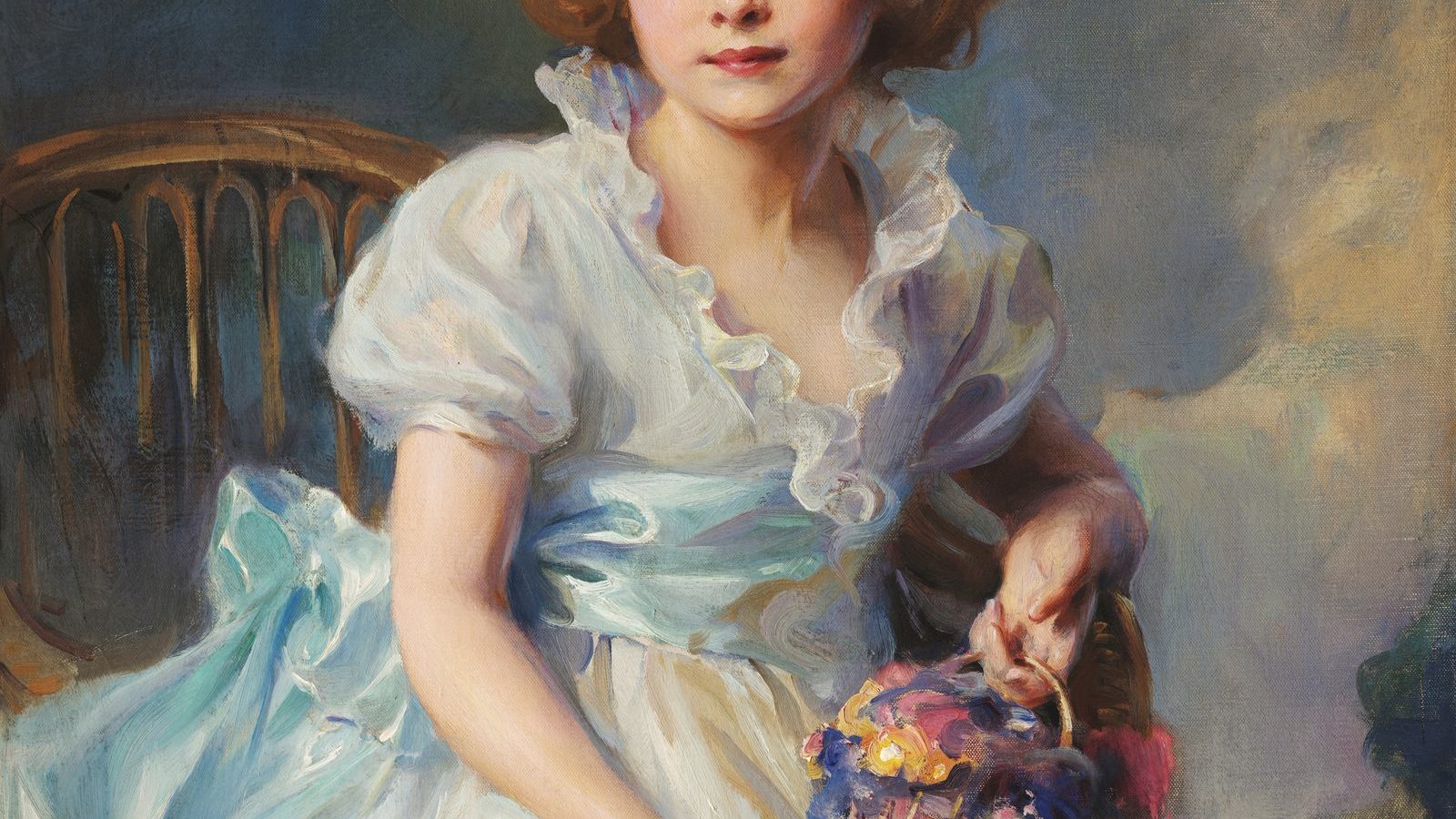
How Many Children Did Queen Elizabeth II Have?
Queen Elizabeth II had four children with her husband Prince Philip, Duke of Edinburgh: Charles III (born November 14, 1948), Anne, Princess Royal (born August 15, 1950), Prince Andrew (born February 19, 1960) and Prince Edward (born March 10, 1964).
The births spanned 16 years - the first two arrived before she became queen, the second two a decade later, when she was an established monarch. Each child took a strikingly different path, and their marriages, divorces and controversies became the defining royal dramas of the late 20th century.
Queen Elizabeth II: Life and Career Background
Elizabeth II (Elizabeth Alexandra Mary; 21 April 1926 – 8 September 2022) was Queen of the United Kingdom and other Commonwealth realms from 6 February 1952 until her death in 2022. She was queen regnant of 32 sovereign states during her lifetime and was the monarch of 15 realms at her death. Her reign of 70 years and 214 days is the longest of any British monarch, the second-longest of any sovereign state, and the longest of any queen regnant in history.
Elizabeth was born in Mayfair, London, during the reign of her paternal grandfather, King George V. She was the first child of the Duke and Duchess of York (later King George VI and Queen Elizabeth the Queen Mother). Her father acceded to the throne in 1936 upon the abdication of his brother Edward VIII, making the ten-year-old Princess Elizabeth the heir presumptive. She was educated privately at home and began to undertake public duties during the Second World War, serving in the Auxiliary Territorial Service. In November 1947, she married a former prince of Greece and Denmark, Philip Mountbatten. They had four children: Charles, Anne, Andrew, and Edward.
When her father died in February 1952, Elizabeth, then 25 years old, became queen of seven independent Commonwealth countries and head of the Commonwealth. She reigned as a constitutional monarch through times of significant political change such as the Troubles in Northern Ireland, devolution in the United Kingdom, the decolonisation of Africa, and the United Kingdom's accession to the European Communities as well as its subsequent withdrawal. The number of her realms varied over time as territories gained independence and as most realms became republics. As queen, Elizabeth was advised by more than 170 prime ministers across her realms. Her many historic visits and meetings included state visits to China in 1986, to Russia in 1994, and to the Republic of Ireland in 2011; she met five popes and fourteen US presidents.
Significant events of Elizabeth's reign included her coronation in 1953 and the celebrations of her Silver, Golden, Diamond, and Platinum jubilees. Although there was occasional republican sentiment and media criticism of her family – particularly after the breakdowns of her children's marriages, her annus horribilis in 1992, and the death of her former daughter-in-law Diana in 1997 – support for the monarchy and her popularity in the United Kingdom remained consistently high. Elizabeth died aged 96 at Balmoral Castle in Scotland, and was succeeded by her eldest son, Charles III.
Elizabeth was born at 2:40 am on 21 April 1926 by Caesarean section at her maternal grandfather's London home, 17 Bruton Street in Mayfair, the first child of Prince Albert, Duke of York (later King George VI), and his wife, Elizabeth, Duchess of York (later Queen Elizabeth the Queen Mother). Her father was the second son of King George V and Queen Mary, and her mother was the youngest daughter of Scottish aristocrat Claude Bowes-Lyon, 14th Earl of Strathmore and Kinghorne, and his wife Cecilia (née Cavendish-Bentinck). She was baptised in the private chapel at Buckingham Palace on 29 May by the Archbishop of York, Cosmo Gordon Lang, and was named Elizabeth after her mother; Alexandra after her paternal great-grandmother, who had died five months earlier; and Mary after her paternal grandmother. Her close family affectionately called her "Lilibet", based on what she called herself at first. She was cherished by her grandfather George V, whom she affectionately called "Grandpa England", and her regular visits during his serious illness in 1929 were credited in the popular press and by later biographers with raising his spirits and aiding his recovery.
Elizabeth's sole sibling, Princess Margaret, was born in 1930. They were cared for by their nanny, Clara Knight, and educated at home under the supervision of their mother and their governess, Marion Crawford. Lessons concentrated on history, language, literature, and music. Crawford published a biography of Elizabeth and Margaret's childhood years titled The Little Princesses in 1950, much to the dismay of the royal family. The book describes Elizabeth's love of horses and dogs, her orderliness, and her attitude of responsibility. Others echoed such observations: Winston Churchill described Elizabeth when she was two as "a character. She has an air of authority and reflectiveness astonishing in an infant." Her cousin Margaret Rhodes described her as "a jolly little girl, but fundamentally sensible and well-behaved". Elizabeth's early life was spent primarily at the Yorks' residences at 145 Piccadilly (their town house in London) and Royal Lodge in Windsor.
During her grandfather's reign, Elizabeth was third in the line of succession to the British throne, behind her uncle Edward, Prince of Wales, and her father. Although her birth generated public interest, she was not expected to become queen, as Edward was still young and expected to marry and have children of his own, who would precede Elizabeth in the line of succession. When her grandfather died in 1936 and her uncle succeeded as Edward VIII, she became second in line to the throne, after her father. Later that year, Edward abdicated, after his proposed marriage to divorced American socialite Wallis Simpson provoked a constitutional crisis. Consequently, Elizabeth's father became king, taking the regnal name George VI. Since Elizabeth had no brothers, she became heir presumptive. If her parents had subsequently had a son, he would have been heir apparent and before her in the line of succession, which was determined by the male-preference primogeniture in effect at the time.
Elizabeth received private tuition in constitutional history from Henry Marten, Vice-Provost of Eton College, and learned French from a succession of native-speaking governesses. A Girl Guides company, the 1st Buckingham Palace Company, was formed specifically so she could socialise with girls her age. Later, she was enrolled as a Sea Ranger.
Charles III - The Heir Who Waited
Charles Philip Arthur George, born November 14, 1948, at Buckingham Palace, waited 70 years to become king - the longest-serving heir apparent in British history. His 1981 wedding to Lady Diana Spencer was the “wedding of the century”; their divorce in 1996 and her death in 1997 scarred the monarchy. He married Camilla Parker Bowles in 2005, became King Charles III on September 8, 2022, and was crowned in May 2023. His sons William and Harry - and their own family dramas - keep the House of Windsor in the headlines.
Anne, Princess Royal - The Workhorse
Anne Elizabeth Alice Louise, born August 15, 1950, is widely considered the hardest-working royal: she routinely tops the annual engagement counts. An accomplished equestrian who competed in the 1976 Montreal Olympics, she married Captain Mark Phillips in 1973 (divorced 1992; children Peter and Zara) and then Commander Timothy Laurence in 1992. Zara Tindall - an Olympic silver medalist herself - is among the most popular royals. Anne's no-nonsense style made her the Queen's most reliable child.
Prince Andrew - The Disgraced Duke
Andrew Albert Christian Edward, born February 19, 1960, was reportedly the Queen's favorite - and became her greatest liability. A Royal Navy helicopter pilot in the Falklands War, he married Sarah Ferguson in 1986 (divorced 1996; daughters Beatrice and Eugenie). His friendship with Jeffrey Epstein destroyed his public role: after a catastrophic 2019 BBC interview, he stepped back from royal duties, and in 2022 the Queen stripped him of his military titles and patronages. He remains eighth in line to the throne but a private citizen in practice.
Prince Edward - The Quiet One
Edward Antony Richard Louis, born March 10, 1964, took the quietest path: a brief Royal Marines stint, a TV production career, then full-time royal duty. He married Sophie Rhys-Jones in 1999 - the most stable of the siblings' marriages - and they have two children, Louise and James. In 2023 Charles made him Duke of Edinburgh, inheriting his father's title. Edward and Sophie are now among the monarchy's most trusted working royals.
The Queen's Family Legacy
Elizabeth was grandmother to eight and great-grandmother to twelve - a sprawling family she kept close at Balmoral and Sandringham, where, by all accounts, she was simply “Granny.” Her children's wildly different fates - a king, a workhorse, a disgrace, a steady duke - mirror the monarchy's own turbulent modernization. She died September 8, 2022, at 96, having seen the crown pass safely to the next generation.
Frequently Asked Questions
How many kids did Queen Elizabeth II have?
Four: Charles III (born 1948), Anne, Princess Royal (born 1950), Prince Andrew (born 1960) and Prince Edward (born 1964).
Who is Queen Elizabeth II's oldest child?
Charles III, born November 14, 1948. He became king on September 8, 2022.
Who is Queen Elizabeth II's only daughter?
Anne, Princess Royal, born August 15, 1950 - an Olympic equestrian and the hardest-working royal by engagement count.
What happened to Prince Andrew?
His association with Jeffrey Epstein ended his public role: he stepped back in 2019 and was stripped of military titles in 2022.
Who did Queen Elizabeth's children marry?
Charles married Diana (1981-1996) then Camilla (2005); Anne married Mark Phillips then Timothy Laurence; Andrew married Sarah Ferguson (1986-1996); Edward married Sophie Rhys-Jones (1999).
How many grandchildren did Queen Elizabeth II have?
Eight grandchildren, including William, Harry, Beatrice, Eugenie, Peter, Zara, Louise and James - plus twelve great-grandchildren.
Who was Queen Elizabeth II married to?
Prince Philip, Duke of Edinburgh, from November 20, 1947, until his death on April 9, 2021 - 73 years.
Sources
- Wikipedia - Queen Elizabeth IIBirth, career and family facts
- The Royal FamilyOfficial family and succession information
- BritannicaBiographies of the Queen's children