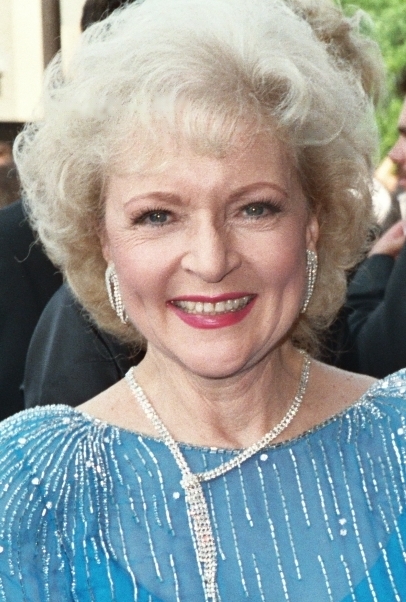
The Short Answer: No Children of Her Own, Three Stepchildren
Betty White had no children of her own, and she was stepmother to three children, and both halves of that sentence matter. The first half is the direct answer to the question most readers ask: White never gave birth to a child and never adopted one, across a life that lasted nearly a century. The second half is the part that makes her story more than a zero: for fifty-eight years, from her marriage to Allen Ludden in 1963 until her death in 2021, she was a stepmother, and she spoke about that role with genuine affection, calling herself blessed to have Ludden’s three children in her life.
The distinction is one White herself maintained carefully. She did not claim David, Martha, and Sarah Ludden as her own children, and she did not distance herself from them either. She described the relationship in terms that stepfamilies everywhere will recognize: children who arrived with a marriage, whom she loved, supported, and stayed connected to long after Ludden’s death in 1981. Fans who count her family as three, and fans who count it as zero, are both partly right, and the full answer holds both numbers at once: zero children of her own, three stepchildren she cherished.
An Only Child in Los Angeles
Betty Marion White was born on January 17, 1922, in Oak Park, Illinois, the only child of Horace and Tess White, and her family moved to Los Angeles when she was still a toddler. She grew up in the city that would become her workplace, attending Beverly Hills High School and graduating in 1939, and she knew from an early age that she wanted to perform. Her first ambitions were thwarted by the era: she wanted to be a forest ranger, a job not open to women at the time, and she turned instead to radio and, when it arrived, television, mediums so new that no one yet knew what a television career could be.
White was an only child, a fact that shaped her in ways she discussed late in life. She was close to her parents, particularly her mother, and she carried that closeness into her adult friendships, which were famously loyal and long-lasting. The only-child background also meant she had no siblings’ children to dote on as an aunt, a role many childless performers fill, and her family, for most of her life, was the family she built through work and marriage rather than the family she was born into.
The First Woman to Produce a Sitcom
White’s television career began in the late 1940s, when television itself was barely out of its infancy, and she became one of the medium’s first stars. She co-created and starred in Life with Elizabeth from 1953 to 1955, becoming the first woman to produce a sitcom, and she hosted her own talk and variety programs at a time when few women held such roles. The early years established a pattern that would define her career: she was funny, professional, and seemingly indestructible, moving from one era of television to the next without ever fading from view.
The roles that made her immortal came later. From 1973 to 1977 she played Sue Ann Nivens, the cheerful, man-hungry host of a homemaking show, on The Mary Tyler Moore Show, winning two Emmy Awards for the performance. From 1985 to 1992 she played Rose Nylund, the sweet, naive Minnesotan, on The Golden Girls, winning another Emmy and becoming part of a quartet that remains one of television’s most beloved ensembles. From 2010 to 2015 she played Elka Ostrovsky on Hot in Cleveland, winning yet another Emmy and introducing herself to a third generation of viewers. Her career spanned eight decades, a record no one else in television has matched.
Three Marriages and Allen Ludden
White was married three times. Her first marriage, to Dick Barker in 1945, was brief, a wartime union that ended quickly. Her second, to talent agent Lane Allen from 1947 to 1949, ended in part over children: Allen wanted children, and White did not, a disagreement she discussed candidly in later interviews. Her third marriage, to game-show host Allen Ludden in 1963, lasted until his death from stomach cancer in 1981, and it was the great love of her life. White never remarried after Ludden’s death, and she spoke about him with devotion for the remaining forty years of her life.
Ludden’s first wife, Margaret McGloin, had died of cancer in 1961, leaving him with three young children: David, Martha, and Sarah, who were about nine to thirteen when White married their father in 1963. White stepped into a ready-made family at forty-one, an age when many women are raising teenagers of their own, and she embraced the role. The children, by every public account, welcomed her, and the blended family became a lasting one: White remained connected to her stepchildren long after Ludden’s death, and they were part of her life until her own death in 2021.
Her Own Words on Children
White’s statements about not having children are among the most quoted of her long public life, because they are so direct. In a 2012 interview on CBS Sunday Morning, she said, “No, I’ve never regretted it. I’m so compulsive about stuff, I know if I had ever gotten pregnant, of course, that would have been my whole focus. But I didn’t choose to have children because I’m focused on my career.” The remark is classic White: funny, honest, and free of apology. She did not frame childlessness as a sacrifice or a sorrow, but as a choice made in full knowledge of her own nature.
She was equally direct about her stepchildren. In an interview with People, relayed through her friend Sandra Bullock, White said, “You know what? I never had children biologically. I married someone who had three children. And how blessed I was to have those three stepchildren.” The two statements together form the complete picture: a woman who chose career over motherhood, who understood herself well enough to know she could not do both at full intensity, and who found, through marriage, a family that gave her the experience of parenthood on different terms. It is a story many stepmothers will recognize, told with unusual clarity.
A Life That Outlasted Television Itself
White’s later years became a cultural phenomenon in their own right. A Facebook campaign in 2010 led to her hosting Saturday Night Live at eighty-eight, a performance that won her an Emmy and made her the oldest person ever to host the show. Hot in Cleveland followed, and with it a new wave of affection from younger viewers who discovered her through reruns, memes, and social media. She became, in her nineties, a symbol of vitality, humor, and grace under the attention of an internet that had not existed when her career began.
Her animal advocacy was the other great passion of her later life. White worked for decades with the Los Angeles Zoo and with animal welfare organizations, and her love of animals was as famous as her comedy. She often said that animals were easier than people, a joke that contained a real philosophy: she gave her care generously, to creatures and to people, without needing the conventional structures of family life to justify it. Her stepchildren, her friends, her colleagues, and her animals formed a wide, warm circle around a life that needed no children to be full.
Why People Keep Asking
The question endures because White played mothers and grandmothers so often, and so warmly, that audiences assume a large family must exist behind the performances. Rose Nylund, in particular, was a mother and grandmother on screen, and Sue Ann Nivens, for all her sharp edges, was a homemaking expert who seemed to know everything about domestic life. Added to that is the sheer length of her life: a woman who lived to ninety-nine, married three times, and worked for eight decades invites curiosity about every chapter, including the family chapter.
For readers who came here for a number, the number is zero children of her own, plus three stepchildren she loved. For readers who came here for the person behind it, the person is television’s longest-serving star, whose family story is a lesson in how love can arrive through marriage rather than birth.
The bottom line on Betty White is a family story told in two numbers that belong together. She had no children of her own, a choice she made knowingly and never regretted, explaining that a pregnancy would have become her whole focus and that she chose to focus on her career. And she was stepmother to three children, David, Martha, and Sarah Ludden, who came into her life when she married Allen Ludden in 1963 and who remained part of her life for the fifty-eight years that followed, long after Ludden’s death in 1981. Her career, from the first woman to produce a sitcom to Rose Nylund to Hot in Cleveland, is the longest in television history, and her life, ninety-nine years of humor, work, animals, and devotion to the family she married into, is a reminder that motherhood has more than one shape, and that a stepmother’s love, stated in White’s own words as a blessing, counts fully.
Friendship as Family
White’s later life was rich in friendships that functioned, in many ways, as family. She was famously close to her Golden Girls co-stars, particularly Rue McClanahan, Bea Arthur, and Estelle Getty, and to a wide circle of younger performers who regarded her as a mentor and a friend. Sandra Bullock, who presented White with honors and spoke about her publicly, described a friendship of unusual warmth, and it was through Bullock that one of White’s most quoted remarks about her stepchildren reached the public. Those friendships, along with her stepchildren and her animal welfare work, formed the circle around her long life.
Her animal advocacy deserves mention in any account of her family, because White herself treated it as central. She worked for decades with the Los Angeles Zoo, supported animal welfare organizations, and often said that animals were easier than people, a joke that contained a real philosophy of care. Her dogs and her zoo work gave her daily companionship and purpose, and fans who followed her later years know that her household, in the broadest sense, included creatures as well as people, all loved without the need for a conventional family structure.
Frequently Asked Questions
How many kids did Betty White have?
Betty White had no children of her own. She was stepmother to three children: David, Martha, and Sarah Ludden.
Who were Betty White’s stepchildren?
David, Martha, and Sarah Ludden, the children of her third husband, Allen Ludden, from his first marriage.
Was Betty White married?
Yes, three times: to Dick Barker (1945), Lane Allen (1947–1949), and Allen Ludden (1963 until his death in 1981).
Why did Betty White not have children?
She said she never regretted it, explaining that a pregnancy would have become her whole focus and that she chose to focus on her career.
What is Betty White best known for?
The Mary Tyler Moore Show as Sue Ann Nivens, The Golden Girls as Rose Nylund, and Hot in Cleveland as Elka Ostrovsky.
When did Betty White die?
December 31, 2021, at age 99, in Brentwood, California.
Did Betty White regret not having children?
No. She said on CBS Sunday Morning in 2012, “No, I’ve never regretted it.”
Sources
- WikipediaBirth, death, career, marriages.
- Smithsonian MagazineTelevision-history career overview.
- Congressional RecordTribute/biographical record.
- GoalcastWhy she refused children, in her own words.
- EntertainmentNowChildren and stepchildren overview.