The Short Answer
Queen Elizabeth II had four children: Charles (born 1948, now King Charles III), Anne (born 1950, the Princess Royal), Andrew (born 1960), and Edward (born 1964). She married Philip Mountbatten - a former prince of Greece and Denmark - in November 1947, when she was 21. Their 73-year marriage ended with Philip's death in April 2021; the Queen died 17 months later, in September 2022, at 96.
Early Life and Background
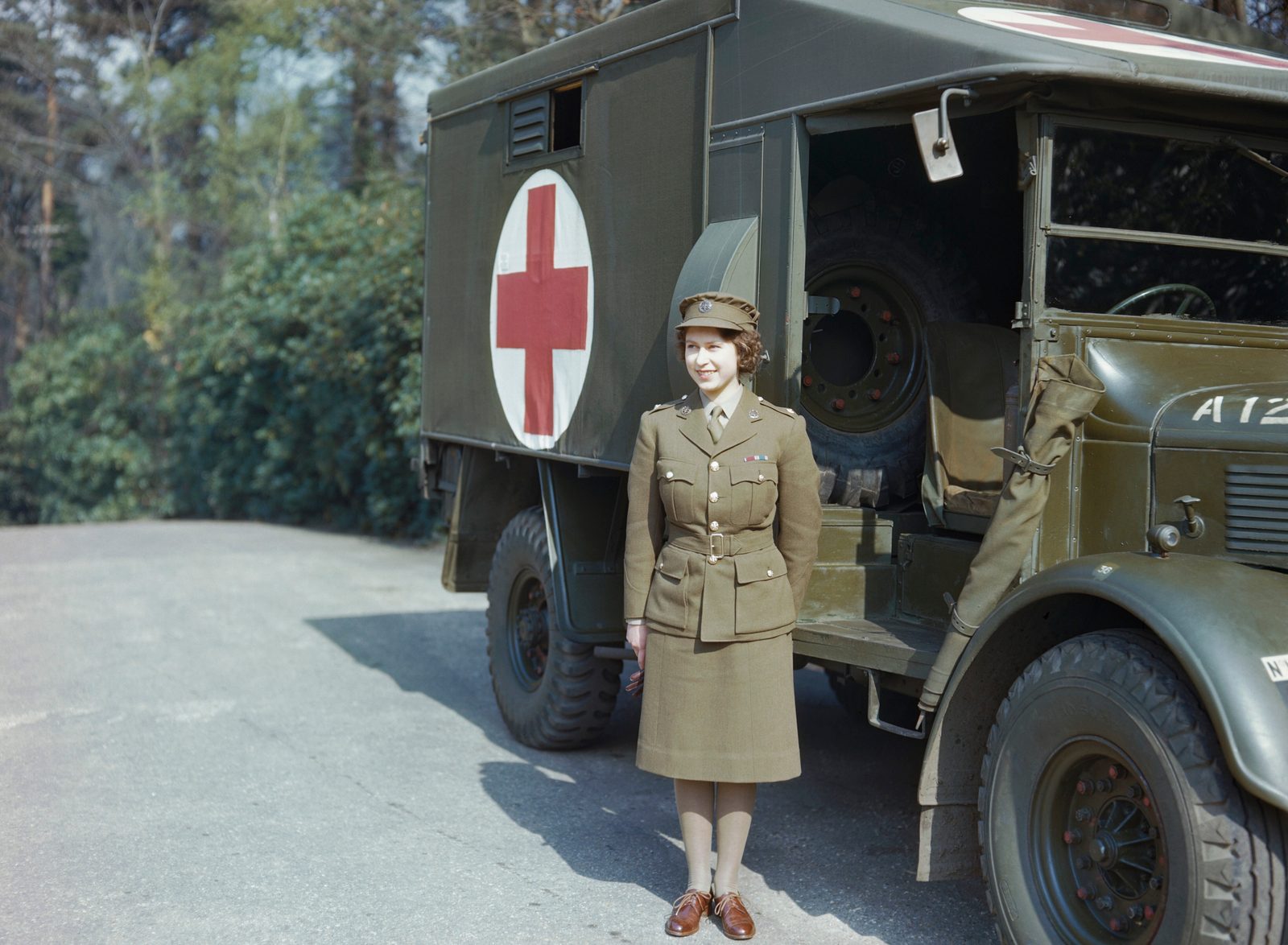
Elizabeth Alexandra Mary was born on April 21, 1926, in Mayfair, London, the first child of the Duke and Duchess of York. She was not born to be queen - but her uncle Edward VIII's 1936 abdication made her father King George VI and the 10-year-old Elizabeth heir presumptive. Educated privately at home, she served in the Auxiliary Territorial Service during World War II.
In November 1947, she married Lieutenant Philip Mountbatten, and their first two children arrived quickly: Charles in 1948 and Anne in 1950. When her father died in February 1952, the 25-year-old became queen of seven Commonwealth countries. Andrew was born in 1960 and Edward in 1964 - a second family, a decade younger, raised in a very different royal era.
Her reign of 70 years and 214 days (1952-2022) is the longest of any British monarch in history. She navigated decolonization, the Cold War, and the digital age - and, in the 1990s, the spectacular unraveling of three of her children's marriages, a period she herself called an "annus horribilis."
Elizabeth's path to four children began unconventionally: a 13-year-old princess meeting her 18-year-old third cousin Philip at Dartmouth naval college in 1939 - and, by her account, falling in love on the spot. The wartime courtship (letters through WWII), the 1947 wedding (ration coupons for the dress, still-austere Britain), and the quick arrival of Charles (1948) and Anne (1950) preceded the throne by years. She was a young naval wife in Malta - reportedly her happiest time - before her father's 1952 death made her queen at 25. Andrew (1960) and Edward (1964) arrived in a different era: the settled, middle-aged monarch, the children raised more by nannies and schools, the family now an institution rather than a household.
Career Highlights
Queen Elizabeth II's "career" was the monarchy itself: 70 years as head of state of the United Kingdom and, at various points, 32 sovereign states. She worked with 15 British prime ministers, from Winston Churchill to Liz Truss, and her weekly audiences, state visits, and Christmas broadcasts made her the most recognizable head of state in the world.
But her reign's domestic drama centered on her children. The 1990s brought the separations and divorces of Charles (from Diana), Andrew (from Sarah Ferguson), and Anne (from Mark Phillips) - tabloid fodder that tested the monarchy's popularity. Later years brought Andrew's disgrace and Harry and Meghan's departure. Through it all, the Queen's strategy was famously "never complain, never explain" - and her personal popularity endured to the end, with her Platinum Jubilee in 2022 drawing global celebration months before her death.
The 70-year reign's family chapters: the 1960s-70s golden years (investitures, tours, the children growing up in public); the 1980s fairy-tale weddings (Charles-Diana 1981, Andrew-Fergie 1986, Anne-Mark 1973) that curdled; the 1990s annus horribilis (1992) - three children's marriages collapsing, Windsor Castle burning; the 1997 Diana death and the monarchy's near-death experience; the 2000s-2010s rehabilitation (Golden and Diamond Jubilees); and the final years' new crises (Andrew-Epstein, Harry-Meghan). Through it all, the Queen's technique: duty as armor, silence as strategy, the children as both joy and recurring headache.
Family and Children
Queen Elizabeth II's four children each lived strikingly different lives. Charles (born November 14, 1948) - now King Charles III - married Diana Spencer in 1981 (divorced 1996), then Camilla Parker Bowles in 2005; his sons are William and Harry. Anne, Princess Royal (born August 15, 1950), married Mark Phillips (divorced 1992), then Timothy Laurence; her children are Peter Phillips and Zara Tindall, and she is widely regarded as the hardest-working royal.
Prince Andrew (born February 19, 1960) married Sarah Ferguson in 1986 (divorced 1996); their daughters are Beatrice and Eugenie. His association with Jeffrey Epstein led to his effective exile from royal duties. Prince Edward (born March 10, 1964) married Sophie Rhys-Jones in 1999 - the only one of the four whose first marriage endured; their children are Louise and James. The Queen also had eight grandchildren, including William and Harry, and lived to see great-grandchildren.
Marriage and Relationships
Prince Philip, Duke of Edinburgh, was the Queen's husband of 73 years - the longest royal marriage in British history. Born a prince of Greece and Denmark, Philip renounced his titles to marry the 21-year-old Princess Elizabeth in November 1947. He was her consort, her confidant, and - by his own description - her "strength and stay" through seven decades on the throne.
Philip was the father of her four children and the patriarch of the modern House of Windsor. He died in April 2021 at 99, and the widowed Queen - visibly diminished - carried on for 17 more months. Their partnership, forged in postwar austerity and tested by the century's upheavals, remains the gold standard of royal marriages.
Family Roots and Extended Family
The extended Windsor web: the Queen's parents - George VI, the stammering wartime king, and Queen Elizabeth the Queen Mother, who lived to 101; her sister Princess Margaret, the glamorous, troubled spare. Philip's sprawling Mountbatten clan. And now the next generations: eight grandchildren - William, Harry, Peter, Zara, Beatrice, Eugenie, Louise, James - and great-grandchildren led by George, Charlotte, and Louis. The four children sit atop a dynasty Elizabeth built by sheer longevity: when she died, she had been queen for 70 years, mother for 74, and the family's undisputed matriarch for all of it.
Legacy
Queen Elizabeth II died on September 8, 2022, at 96, at Balmoral Castle, ending the second Elizabethan age. Her state funeral drew billions of viewers worldwide. Her eldest child, Charles, succeeded her as King Charles III at 73 - the oldest new monarch in British history.
Her legacy includes four children, eight grandchildren, and a monarchy she steered through 70 years of transformation. The question "how many children does Queen Elizabeth have" endures because her family was the story of her reign - the divorces, the heirs, the spares - and because Charles, Anne, Andrew, and Edward remain central figures in the monarchy she left behind.
Elizabeth died September 8, 2022, at 96, at Balmoral - Philip had died 17 months earlier, and those final solo years visibly diminished her. The state funeral - 2,000 guests, billions watching, the piper's lament - was the largest royal farewell in history. Charles, 73, became king; the four children, now in their 60s and 70s, walked behind her coffin. The monarchy she left behind - slimmed, modernized, still standing - is her true heir, and her children its stewards.
Why Fans Keep Asking
People ask "how many children does Queen Elizabeth have" because her family was the most documented in the world - yet the details blur. Was it three? Four? The 12-year gap between Anne (1950) and Andrew (1960) makes the younger two feel like a separate generation, and the divorces and scandals keep each child's story in the news. The answer - four: Charles, Anne, Andrew, Edward - is the key to understanding the modern House of Windsor.
People ask the number because the family is the monarchy's story: four children, three divorces, one king. The 12-year gap between Anne and Andrew confuses the count; the scandals confuse the sympathies. But the answer - four - is the key to everything: Charles the heir, Anne the worker, Andrew the disgrace, Edward the survivor. The Queen's children are the House of Windsor's dramatis personae.
Frequently Asked Questions
How many children did Queen Elizabeth II have?
Four: Charles, Anne, Andrew, and Edward.
Four: Charles (now King Charles III), Anne (Princess Royal), Andrew (Duke of York), and Edward (Duke of Edinburgh).
Who are Queen Elizabeth's children?
King Charles III, Anne (Princess Royal), Prince Andrew, and Prince Edward.
King Charles III (born 1948), Anne the Princess Royal (born 1950), Prince Andrew (born 1960), and Prince Edward (born 1964).
Who was Queen Elizabeth married to?
Prince Philip, Duke of Edinburgh - married 1947 until his death in 2021.
Prince Philip, Duke of Edinburgh - married November 1947, together 73 years until his death in April 2021.
How long did Queen Elizabeth reign?
70 years (1952-2022) - the longest of any British monarch.
70 years and 214 days (1952-2022) - the longest reign of any British monarch in history.
How old was Queen Elizabeth when she died?
96 - she died September 8, 2022.
96 - she died September 8, 2022, at Balmoral Castle.
How many grandchildren did Queen Elizabeth have?
Eight grandchildren, including Princes William and Harry.
Eight grandchildren, including William and Harry, plus great-grandchildren including George, Charlotte, and Louis.
Which of the Queen's children divorced?
Charles, Anne, and Andrew all divorced; Edward's marriage endured.
Charles (from Diana), Anne (from Mark Phillips), and Andrew (from Sarah Ferguson) all divorced; Edward's marriage to Sophie endures.
Sources
- Elizabeth II - WikipediaBiographical overview: birth date, career summary, family details.
- Biography - Queen Elizabeth IIBiographical profile of the late queen's life and family.
- Britannica - Elizabeth IIEncyclopedia entry on her reign and children.