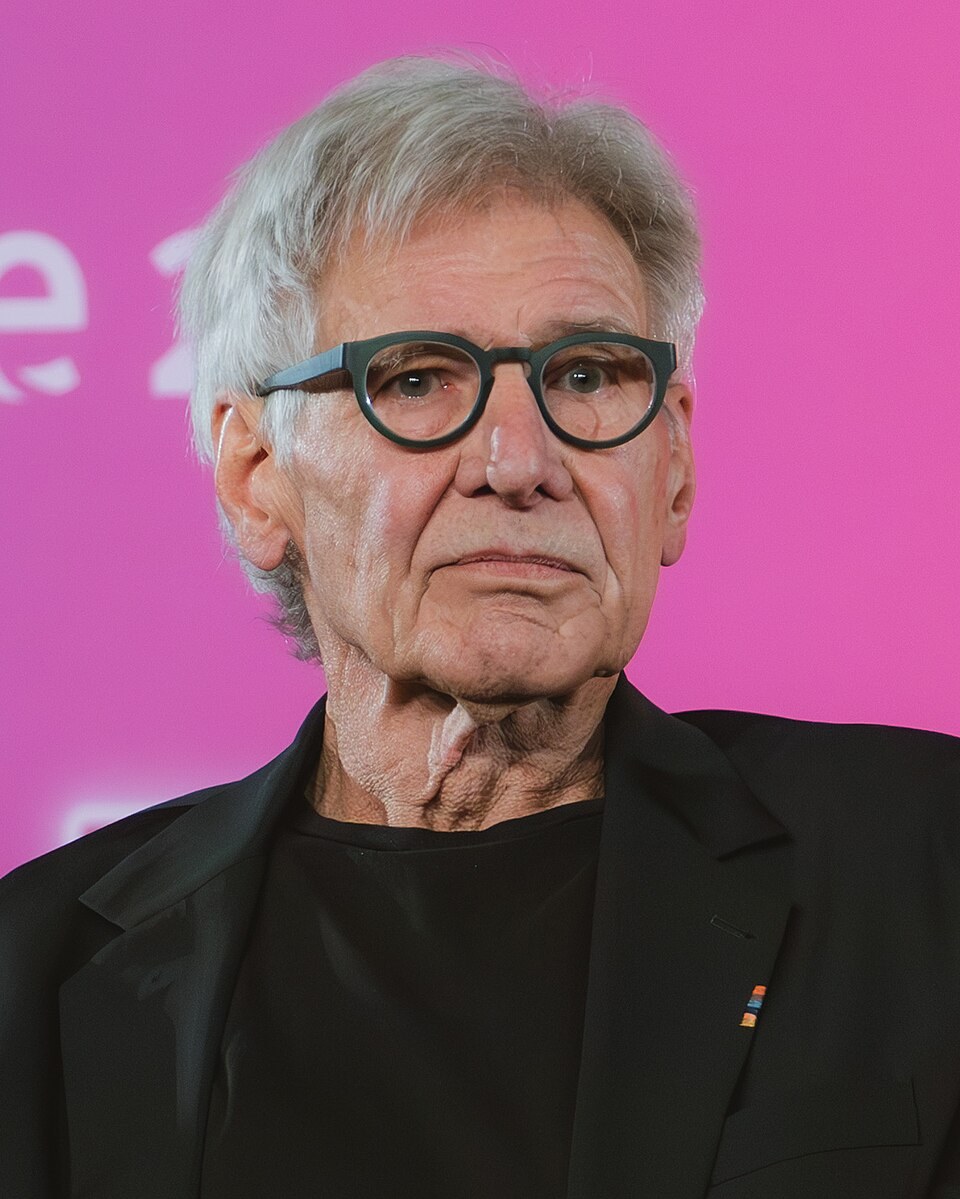
The Short Answer
Let's be direct: nobody outside the deal knows what Harrison Ford was paid for playing Dr. Paul Rhoades in Shrinking (2026). The figure was never disclosed by the studio, the performer, or any credible trade report. Harrison Ford's salary for Shrinking was never publicly disclosed. The screen legend played Dr. Paul Rhoades, the gruff therapist confronting Parkinson's disease, in his first-ever series-regular television role — a performance critics called career-best work across three Apple TV+ seasons (2023-2026).
That silence is the norm, not the exception. The overwhelming majority of acting salaries are never made public — the figures that do surface each year come from leaks, strategic disclosures, or journalists with sourcing inside agencies and studios. When none of those channels produces a number, the honest answer is 'undisclosed,' and this page is built around that honesty.
It helps to be precise about what a reported salary includes. The figure covers the acting fee for the project — not endorsements, not appearances, not producing fees unless the actor also held a producer credit (in which case those are usually separate line items). Backend, box-office bonuses, and profit participation are additive: they can multiply the total, but they are almost never disclosed with the same confidence as the upfront number.
It is worth asking why this particular figure entered the public record when most salaries never do. In most cases, disclosure serves someone's interest: an agent burnishing a client's quote, a studio projecting confidence, or a journalist serving a readership fascinated by the economics of stardom. Numbers that stay private usually stay private because no party gains from their release.
The Deal in Numbers
- Harrison Ford's salary: not publicly disclosed — no credible outlet has reported a figure.
- Project: Shrinking (2026) — Harrison Ford as Dr. Paul Rhoades.
- Network/platform: Apple TV+ — platform pay bands inform the context below.
- Comparable deal: Jason Segel — Undisclosed for Shrinking (2023-2026) (context, not Harrison Ford's salary).
- Comparable deal: Sylvester Stallone — $1.5M/ep for Tulsa King season 2 (context, not Harrison Ford's salary).
- Comparable deal: Jason Sudeikis — $1M/ep for Ted Lasso season 3 (context, not Harrison Ford's salary).
The Pay Context
Because Harrison Ford's own figure was never disclosed, the table below shows verified deals for comparable talent in comparable projects. None of these is Harrison Ford's salary — they map the pay range this kind of work commands:
| Actor | Role / Project | Reported Pay | Notes |
|---|---|---|---|
| Jason Segel | Shrinking (2023-2026) | Undisclosed | Comparable deal — context only |
| Sylvester Stallone | Tulsa King season 2 | $1.5M/ep | Comparable deal — context only |
| Jason Sudeikis | Ted Lasso season 3 | $1M/ep | Comparable deal — context only |
Figures are reported estimates, not studio-confirmed amounts.
A few things to notice in the table above. First, every figure is an upfront guarantee — backend and bonuses, which can dwarf the base, are invisible here. Second, the numbers reflect negotiating leverage at signing, which is why an actor with a recent hit can out-earn a more famous co-star. Third, 'reported' matters: these are journalists' best estimates from sourced conversations, and while the sourcing here is strong, no studio has confirmed any of these numbers on the record.
Comparable Deals in Detail
No figure was disclosed for this project, so the honest substitute is comparables: verified deals for similar talent in similar projects. Each one below is labeled as context — none of them is the subject's salary — but together they draw the boundaries of the plausible pay range.
Jason Segel — Undisclosed for Shrinking (2023-2026). The co-creator's compensation was never reported either. The relevance is the tier: a proven performer carrying a project of similar scale, which is how agents establish what the market will bear.
Sylvester Stallone — $1.5M/ep for Tulsa King season 2. The reported benchmark for a film legend's streaming-series payday. Deals like this one are what agents screenshot and walk into their own negotiations — they set the pay band even when individual salaries stay private.
Jason Sudeikis — $1M/ep for Ted Lasso season 3. The reported Apple TV+ comedy benchmark. The figure captures the performer's quote at that moment: a useful anchor for the range this kind of work commands, even though it says nothing direct about our subject.
The Career Context: Why This Was Harrison Ford's Market Rate
Ford defined the modern movie star as Han Solo and Indiana Jones across five decades. Shrinking was his long-awaited TV breakthrough — arriving at age 80, alongside his MCU debut in Captain America: Brave New World (2025).
That figure is the reported upfront salary — the guaranteed check, before any bonuses, backend participation, or profit points. In today's Hollywood, the headline number is rarely the whole story: for films expected to perform, studios routinely trade a lower upfront fee for a share of the outcome, which means the final payday can end up multiples higher than the announced salary. When a project overperforms, it is the backend — not the base — that creates the truly enormous paydays, and it is why two actors with identical upfront fees can walk away with wildly different totals.
Put Harrison Ford's deal next to Jason Segel's Shrinking (2023-2026) (Undisclosed) and Sylvester Stallone's Tulsa King season 2 ($1.5M/ep), and the logic of the quote becomes visible: pay tracks recent commercial heat more closely than it tracks fame, awards, or tenure. An actor's salary is a lagging indicator of their last few projects' performance — which is why a single hit can reprice someone overnight, and why a quiet stretch can quietly discount them.
How Star Salaries Get Set
There is also the question of who knew the number before it reached the press. Salary information travels through a small circuit: the agency that negotiated it, the studio business-affairs department that approved it, the payroll company that processed it, and the lawyers on both sides. Leaks typically come from the side that benefits — usually the actor's camp, establishing a quote for the next negotiation. That selection bias is worth remembering: the salaries we hear about are disproportionately the impressive ones.
The Bigger Picture
Step back and this deal illustrates how television became the industry's other lottery ticket. Prestige TV budgets now rival mid-size films, and the per-episode salaries at the top of the market exceed what most film actors earn per project. The driver is competition: with half a dozen deep-pocketed platforms bidding for a limited pool of proven talent, the price of a star has been bid steadily upward for a decade.
There is a second-order effect worth noting: every per-episode figure that becomes public becomes ammunition for the next negotiation. When a $1 million episodic fee leaks, it resets expectations across the industry — showrunners budget against it, agents demand it, and platforms either pay it or lose the talent. Public salary reporting doesn't just describe the TV market; it actively reprices it, one disclosed deal at a time.
About This Salary Figure
A note on method, because it matters. Studios almost never confirm actor salaries on the record, so every figure in this article is a reported estimate from journalists with sourcing inside the industry — not an audited fact. We cite the outlet behind each number, we distinguish confirmed reports from speculation, and when a figure is not publicly known, we say so plainly rather than inventing one. That discipline is the difference between salary reporting and salary fan-fiction.
For this article, the confirmed fact is the absence of a figure: neither the studio nor the performer's representatives has disclosed Harrison Ford's pay for Shrinking. Every number presented as context is labeled as context — a comparable deal, a budget figure, or an industry pay band — never as Harrison Ford's salary.
What would change this page: a sourced report from an established trade or entertainment outlet putting a number on the deal. If that happens, this article will be updated and the framing revised. Until then, 'undisclosed' is the only honest answer we can give.
Frequently Asked Questions
Who does Harrison Ford play in Shrinking?
Dr. Paul Rhoades, the gruff senior therapist confronting Parkinson's disease.
Is Shrinking Harrison Ford's first TV series?
It's his first series-regular television role - arriving at age 80.
What did critics say about Ford in Shrinking season 3?
Many called it career-best work, with his Parkinson's storyline earning widespread praise.
How much did Harrison Ford get paid for Shrinking?
The figure has not been publicly disclosed. Neither the studio nor Harrison Ford's representatives have confirmed a salary, and no credible trade report has published one.
Why isn't Harrison Ford's Shrinking salary public?
Most acting salaries are private by default. Figures only surface through leaks, strategic disclosures, or sourced trade reporting — and for this project, none of those channels produced a number.
What do comparable actors earn for similar projects?
As context only: Jason Segel reportedly earned Undisclosed for Shrinking (2023-2026). That is a comparable deal, not Harrison Ford's salary — which remains undisclosed.
Could the real figure become public later?
Possibly. Salaries sometimes surface years after the fact — through profiles, legal filings, or retrospective trade reporting. If a credible figure emerges for Harrison Ford's Shrinking pay, this article will be updated.