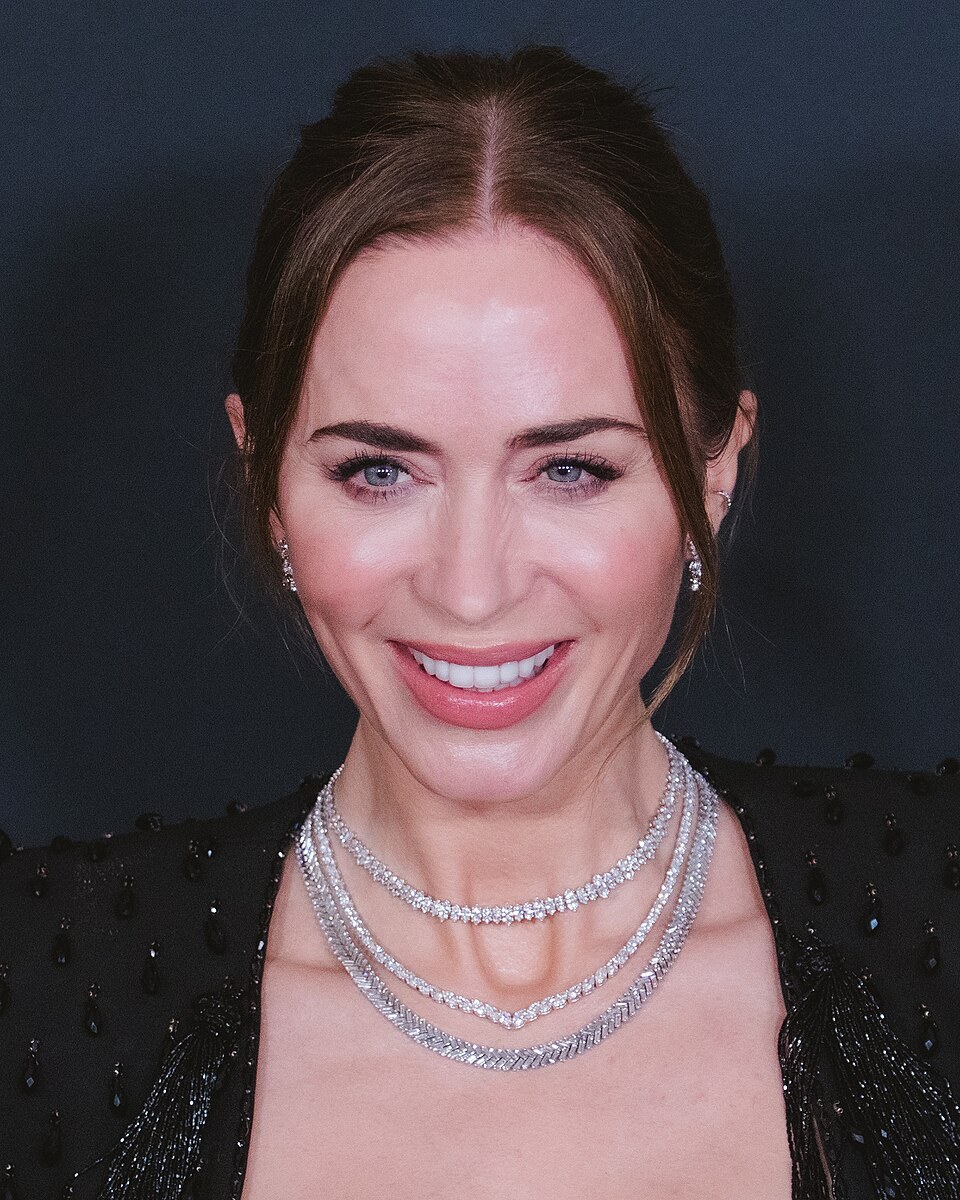
The Short Answer
The number first: Emily Blunt earned $4 million $ for playing Kitty Oppenheimer in Oppenheimer (2023), according to Variety in 2023. Variety reported that Emily Blunt earned $4 million to play Kitty Oppenheimer in Christopher Nolan's Best Picture winner — the same fee as Matt Damon and Robert Downey Jr., making Oppenheimer's supporting ensemble a rare Hollywood pay-parity story.
That figure belongs to a specific era of entertainment economics. The streaming wars trained audiences — and agents — to expect eight-figure checks untethered from box office, because platforms were buying subscribers, not tickets. As the industry has sobered up, upfront pay has stayed high for proven draws while everyone else has felt the squeeze. This deal sits squarely in that transition: struck when the money was flowing freely, structured in the way the streaming era taught everyone to structure it.
What exactly does the number cover? In standard Hollywood deal reporting, a salary figure like this one refers to the fixed compensation for the performance itself — it does not include the 10 percent that typically goes to the agent, nor management and legal fees, nor taxes. It also does not include backend participation unless stated. So the headline figure is both the most solid number available and, paradoxically, never the performer's actual take-home.
Salary stories like this one persist because they answer a question audiences genuinely ask: what is fame worth, in dollars, right now? The answer is always provisional — quotes move, backends pay or don't, and today's record is tomorrow's footnote. But as a snapshot of one performer's market value at one moment, a well-sourced figure is the closest thing the public gets to seeing the price tag.
The Deal in Numbers
- Reported salary: $4 million $ for Emily Blunt's role as Kitty Oppenheimer.
- Reported by: Variety in 2023 — trade/entertainment press reporting, not a studio confirmation.
- Estimated total: $4M.
- Production budget: $100 million (reported) — star salaries typically rank among the largest line items.
- Co-star pay: Emily Blunt (Kitty Oppenheimer, Oppenheimer (2023)) — $4 million.
- Co-star pay: Cillian Murphy (J. Robert Oppenheimer, Oppenheimer (2023)) — $10 million.
- Status: reported estimate. Backend, bonuses, and profit participation — if any — are not included in the headline figure.
The Oppenheimer Pay Breakdown
Here is how the reported pay broke down across Oppenheimer's principal cast, based on public reporting:
| Actor | Role / Project | Reported Pay | Notes |
|---|---|---|---|
| Emily Blunt | Kitty Oppenheimer | $4 million $ | This article's subject |
| Emily Blunt | Kitty Oppenheimer, Oppenheimer (2023) | $4 million | Reported by Variety; identical to Damon and Downey's fees. |
| Cillian Murphy | J. Robert Oppenheimer, Oppenheimer (2023) | $10 million | Reported by Variety; the lead's fee was two and a half times Blunt's. |
| Matt Damon | Gen. Leslie Groves, Oppenheimer (2023) | $4 million | Reported by Variety. |
| Robert Downey Jr. | Lewis Strauss, Oppenheimer (2023) | $4 million | Reported by Variety; Downey later won the Academy Award for the role. |
Figures are reported estimates, not studio-confirmed amounts.
Reading a salary table like this one is an exercise in Hollywood semiotics. Billing order and pay order do not always match: the biggest star is not always the highest-paid, because pay reflects the deal struck at a specific moment, not a permanent ranking. Equal pay among co-stars usually signals a deliberate packaging decision — often to avoid the press cycle that erupts when a gap leaks. And when one actor earns multiples of another on the same project, the gap almost always maps to a gap in recent box-office leverage, not screen time.
How It Compares
Salary figures only mean something in context. A $20 million paycheck sounds enormous until you learn the co-star got $30 million; a $300,000 episodic fee sounds modest until you learn the show's entire budget was $4 million an episode. The comparisons below place this payday on the industry's actual pay scale — what peers earned for comparable work in the same era, reported by the same caliber of outlets.
- Lady Gaga — $12M for Joker: Folie a Deux (2024). Variety reported her franchise salary.
- Scarlett Johansson — $20M upfront for Jurassic World Rebirth (2025). Extra TV reported the upfront, citing Forbes.
- Emily Blunt — $8-10M for A Quiet Place Part II (2020). Her reported franchise salary.
- Emily Blunt — ~$8M for Jungle Cruise (2021). Her reported Disney adventure salary.
The through-line: Emily Blunt's deal was negotiated against exactly this landscape. Agents walk into every negotiation armed with comparables like these, and studios counter with their own. The final number is where those two sets of comparables met.
The Career Context: Why This Was Emily Blunt's Market Rate
Blunt rose from The Devil Wears Prada (2006) to leading roles in Edge of Tomorrow, Sicario, and A Quiet Place, becoming one of the most reliable actresses in both blockbusters and prestige dramas.
That figure belongs to a specific era of entertainment economics. The streaming wars trained audiences — and agents — to expect eight-figure checks untethered from box office, because platforms were buying subscribers, not tickets. As the industry has sobered up, upfront pay has stayed high for proven draws while everyone else has felt the squeeze. This deal sits squarely in that transition: struck when the money was flowing freely, structured in the way the streaming era taught everyone to structure it.
Put Emily Blunt's deal next to Lady Gaga's Joker: Folie a Deux (2024) ($12M) and Scarlett Johansson's Jurassic World Rebirth (2025) ($20M upfront), and the logic of the quote becomes visible: pay tracks recent commercial heat more closely than it tracks fame, awards, or tenure. An actor's salary is a lagging indicator of their last few projects' performance — which is why a single hit can reprice someone overnight, and why a quiet stretch can quietly discount them.
How Star Salaries Get Set
Every salary in this article was set the same way: through a negotiation governed by the quote system. An actor's quote is the salary their representatives claim they command, anchored by their most recent comparable deals. Agents establish it with competing offers — real or strategically implied — and studios test it against their own comparables and the project's budget ceiling. Most-favored-nation clauses, which guarantee no co-star earns more, are common in ensemble deals and explain why so many casts end up at identical figures. The final number is rarely anyone's opening bid; it is the point where the actor's leverage and the studio's budget found equilibrium.
The Bigger Picture
The broader pattern here is the one reshaping film salaries across the industry. Studios have grown disciplined about upfront pay, pushing compensation toward performance-linked structures — bonuses, backend, profit points — that pay stars like owners rather than employees. The actors who thrive in this system are the ones who negotiate participation, not just fees. The headline salary is the ante; the real game is what comes after.
There is a second-order effect worth noting: every major salary that becomes public becomes a comparable for the next negotiation. When a $20 million streaming deal leaks, ten other agents screenshot it and walk it into their own meetings. Public salary reporting doesn't just describe the market — it actively moves it, ratcheting quotes upward one disclosed deal at a time. That is why studios guard these numbers so jealously, and why the figures that do escape tend to be the ones someone wanted out.
About This Salary Figure
On sourcing: the salary figures here come from public reporting by established entertainment journalists, each cited by name. Hollywood pay is private by default — no studio publishes a payroll — so 'reported' is doing real work in these sentences. It means a professional journalist staked their reputation on the number. That is the strongest form of evidence available for this kind of information, and also its limit.
For this article, the anchor figure is $4 million ($) reported by Variety in 2023.
Why treat this figure as credible? It comes from an established outlet with a track record of sourced salary reporting, it is consistent with the project's scale and the performer's quote at the time, and it has been repeated across entertainment press without correction. That is about as solid as unconfirmed Hollywood pay reporting gets.
Frequently Asked Questions
Was Emily Blunt paid equally to her male co-stars in Oppenheimer?
Yes - she, Damon, and Downey each earned $4 million, a rare pay-parity deal.
How much did Emily Blunt make for A Quiet Place Part II?
Her salary for the 2020 sequel was reported in the $8-10 million range.
Was Emily Blunt nominated for an Oscar for Oppenheimer?
Yes - she earned a Best Supporting Actress nomination for playing Kitty Oppenheimer.
How much did Emily Blunt get paid for Oppenheimer?
Emily Blunt was reportedly paid $4 million $ for playing Kitty Oppenheimer in Oppenheimer, according to Variety. The figure has not been officially confirmed by the studio.
Is Emily Blunt's Oppenheimer salary officially confirmed?
No. Like most Hollywood salaries, it comes from industry reporting — in this case Variety — rather than an on-the-record studio confirmation. It is the best available public estimate, not an audited fact.
How does Emily Blunt's pay compare to the Oppenheimer co-stars?
Emily Blunt (as Kitty Oppenheimer, Oppenheimer (2023)) reportedly earned $4 million, versus Emily Blunt's $4 million $. The gap reflects the leverage each actor held when their deal was signed — see the pay breakdown table above.
Could Emily Blunt earn more for a follow-up?
Typically, yes. Actors renegotiate upward after a successful project — it is one of the most reliable patterns in Hollywood deal-making. A hit re-prices the quote; the next negotiation starts from the new number.
Where does $4 million $ rank among 2023 paydays?
It sits in the top tier for its category — the range where studios pay only when they need a proven draw. For perspective, the comparable deals in the table above cluster in the same bracket, which confirms this was a market-rate deal for genuine star power rather than an outlier in either direction.